Small reactors: Iran's energy future beyond enemy’s reach
The terrorist attacks by the US and Israel on Iran's energy infrastructure, most notably the three separate strikes on the Bushehr nuclear power plant, indicated that the enemies will stop at nothing to paralyze the country's economy and disrupt the lives of its people.
Yet what has turned these attacks into a strategic defeat is not merely political resistance, but a deeply intelligent economic design at the heart of Iran's electricity industry.
The geographical dispersion of power plants across Iran's vast territory, combined with the integration of the national grid, has created a capability so robust that even in the event of widespread, coordinated terrorist strikes, a nationwide blackout will never occur.
The secret behind this astonishing resilience lies in diversity. Fortunately, Iran enjoys an exceptionally high level of diversity in its energy generation resources, simultaneously utilizing thermal, hydroelectric, wind, solar, and nuclear power plants.
Apart from a few large facilities generating over 2,000 megawatts each, most of the country's power plants are small and densely distributed across the vast expanse of Iranian territory.
This fully interconnected national grid can instantly transmit electricity from one point to another, so that if a power plant in the south is attacked, wind farms in Manjil or hydro turbines on the Zayandeh Rud dam can come online and compensate for the loss.
Diversity in power generation is a smart economic strategy against external shocks, sanctions, and terrorist attacks, where a country with a diverse energy portfolio will never be brought to its knees by a single blow.
It is within this context that the discussion of the future of Iran's nuclear energy, particularly the technology of small nuclear reactors, takes on strategic and vital significance.
At a joint Iran-Russia commission meeting on Sunday, the Atomic Energy Organization of Iran spokesman Behrouz Kamalvandi emphasized the country’s strong potential for growth in the nuclear industry, asserting that the future of atomic energy lies in small reactors.
The official said the protocol for the construction of small reactors with Russia will be finalized soon.

Kamalvandi emphasized that Iran possesses a remarkable pool of skilled human resources and that good cooperation exists with Russia to develop small reactor technology, with the aim of operationalizing them in several locations across the country.
The initial target of supplying 15% of the country's electricity through nuclear energy has been raised to 20,000 megawatts, a figure achievable only through the construction of dozens of large reactors or hundreds of small-scale units.
The answer to why small reactors are so economically important lies in the data. Despite its vast oil and gas reserves, Iran has faced intermittent blackouts and declining efficiency in its aging power plants in recent years.
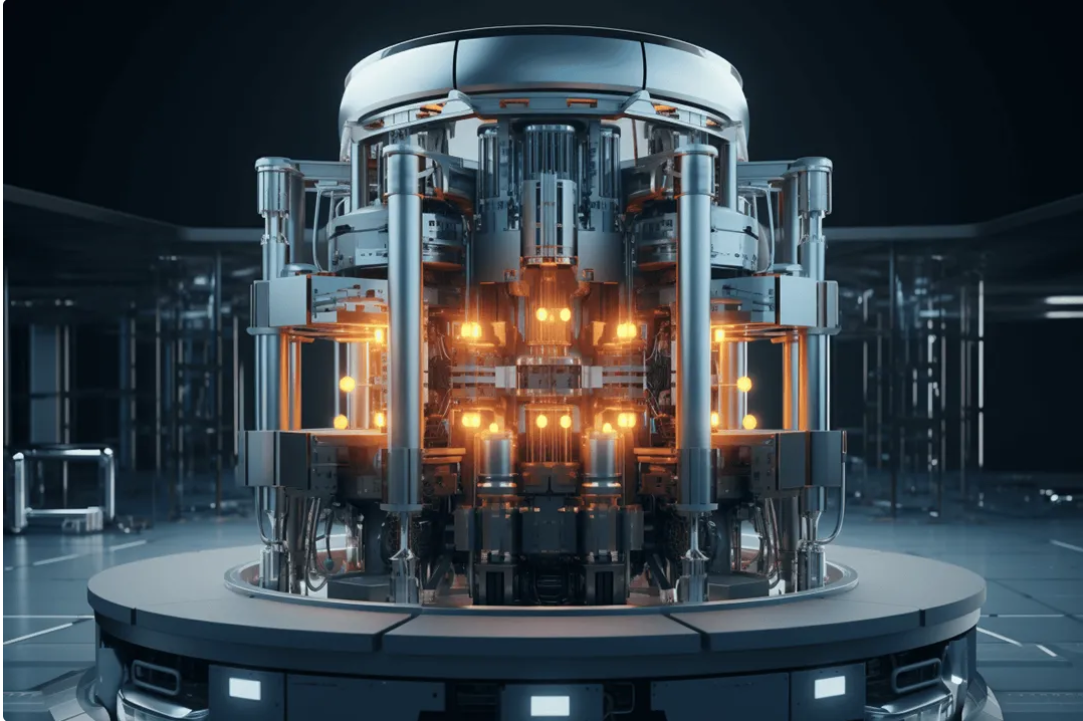
On the other hand, small modular reactors (SMRs) typically designed with a capacity of 300 megawatts or less, are like energy Legos that can be manufactured in factories and installed on site.
Constructing a small reactor takes only about 10 to 12 months, which is half the time needed to build a small gas-fired power plant. Economically, mass production of these units could reduce costs by as much as 30%.
A single 100-megawatt small reactor can supply electricity to 100,000 homes, with near-zero emissions. For Iran, which releases 180 million tons of carbon monoxide annually, this represents a green hope.
What makes small modular reactors a national necessity, however, is the forward-looking vision of a figure who wholeheartedly endorsed this technology, years before the terrorist attacks on Iran's energy facilities took shape.
That figure is none other than the late leader of the Islamic Revolution, Ayatollah Seyyed Ali Khamenei. With an astonishing understanding of global scientific and military developments, he viewed small nuclear reactors as a grand strategy.
In the spring of 2022 when cyber and physical attacks on the power grid had not yet become so heated, and when many experts were still preoccupied with the idea of massive, centralized plants, he stated firmly in a meeting with nuclear industry experts: "The country needs this kind of power plant (small-scale) in various sectors."
His perspective was a fully-fledged geopolitical calculation. He knew well that under sanctions and threats, large, centralized power plants are easy, fragile targets for enemies. One bomb or one cyberattack can take a 2,000-megawatt plant completely offline.
But small reactors like flexible, dispersed energy Legos would allow Iran to meet the needs of vital industries and major cities without relying on extensive, vulnerable transmission grids.
The late Leader of the Islamic Revolution called the nuclear industry a "fundamental component of the nation's credit" and a "source of strength, power, and development."
He repeatedly emphasized that progress in the nuclear industry brings international prestige, both technically and economically, and improves people's lives.
This astonishing foresight must be seen alongside his constant insistence on preserving and protecting nuclear infrastructure, even during difficult political negotiations.
Now that the terrorist attacks by the US and Israel on energy facilities have made the need for decentralization of energy resources clearer than ever and when regional countries such as Saudi Arabia and the UAE are lining up to acquire SMR technology, the greatness of this intelligent, early vision become even more evident.
The late Leader of the Islamic Revolution saw the "technological leap" in miniaturizing and modularizing power plants years before war and attack made the need for dispersion and small-scale production evident.
He knew that the future belongs to reactors that are built in factories, loaded onto trucks or floating barges at sea, and installed in the shortest possible time anywhere from the central desert to the Makran coast.
He understood the importance of “timely entry" into strategic technologies that turned Iran into a global leader in drone technology and nanotechnology.
The Leader's advice was a precise, scientific roadmap for a country that, under the harshest oppressive sanctions and terrorist threats, has not only not collapsed but, relying on indigenous knowledge is conquering new technological peaks in the world.
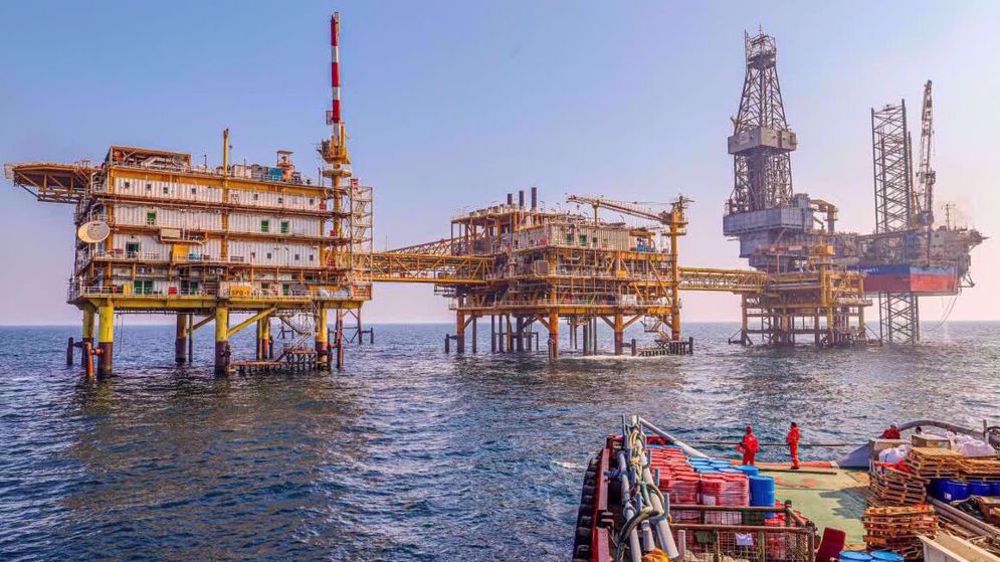
Iran restores gas output at three South Pars platforms after Israeli strikes
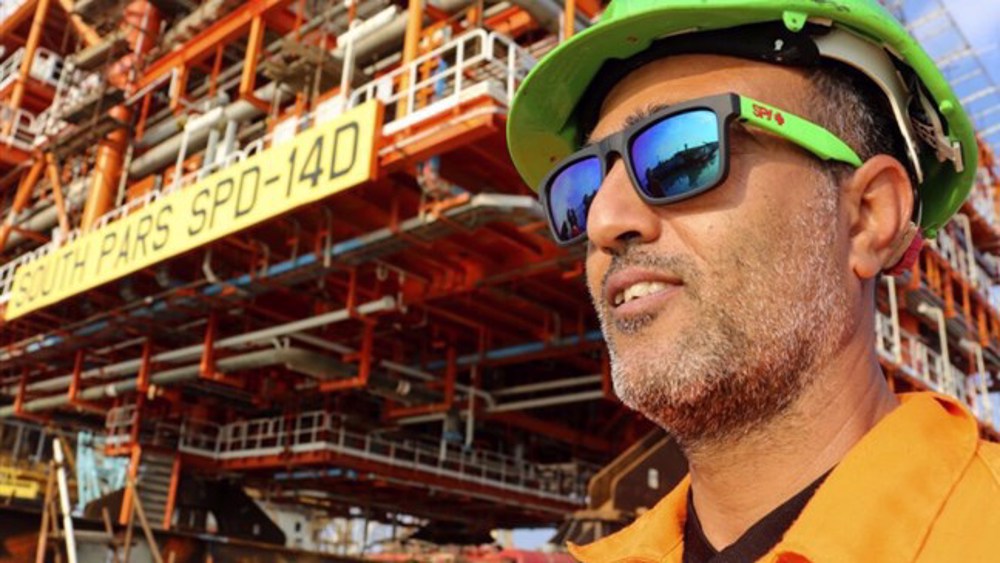
Iran’s energy giant restores rhythm after US-Israeli terror
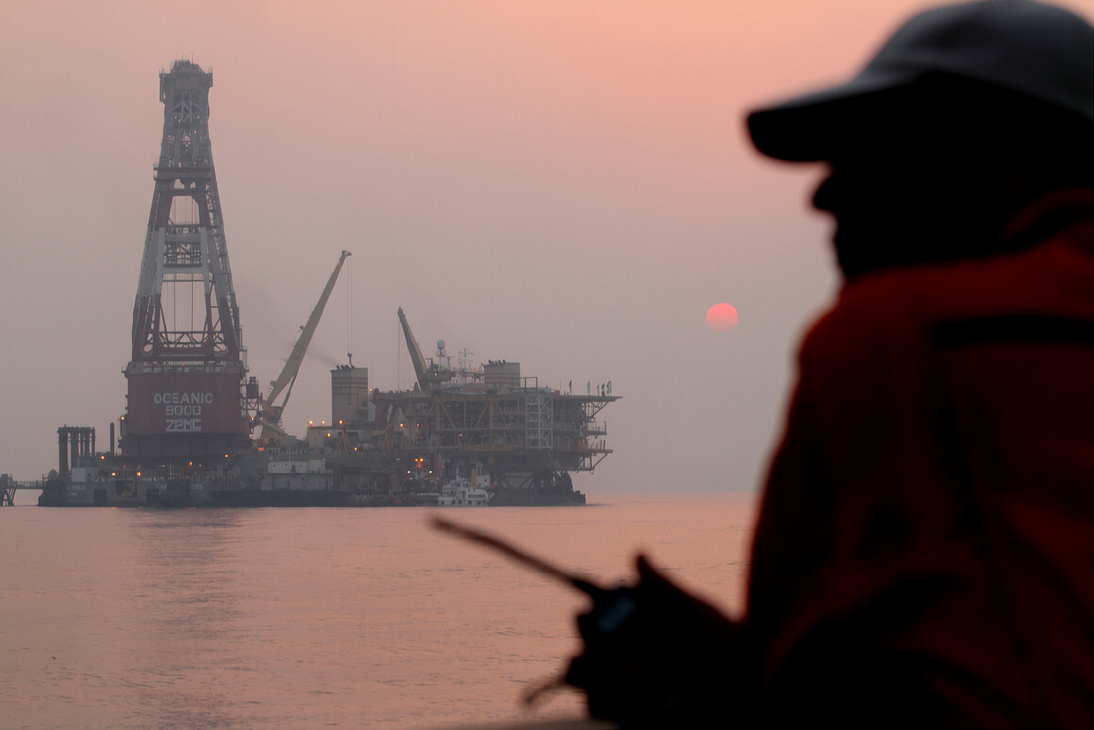
Trump’s siege myth and imaginary oil well explosions in Iran



Iran draws red line: No final deal with US without Lebanon ceasefire
Iran's new regulations govern Strait of Hormuz; foreign interference intolerable: Senior diplomat
Iran slams Dutch police assault on pregnant wife of Palestinian man
UK bars top US media figures over criticism of Israel's atrocities
Israeli Iron Dome launcher destroyed in Hezbollah drone strike
Small reactors: Iran's energy future beyond enemy’s reach
AIPAC hiding support for candidates as its brand becomes 'toxic' in Democratic primaries: Report
UAE’s IMI takes full control of Sky News Arabia amid scrutiny over Sudan coverage


 PressTV NEWSLETTER
now
PressTV NEWSLETTER
now
 This makes it easy to access the Press TV website
