UAE ports lose ground as Iran-Pakistan land corridor reshapes regional transit: Report
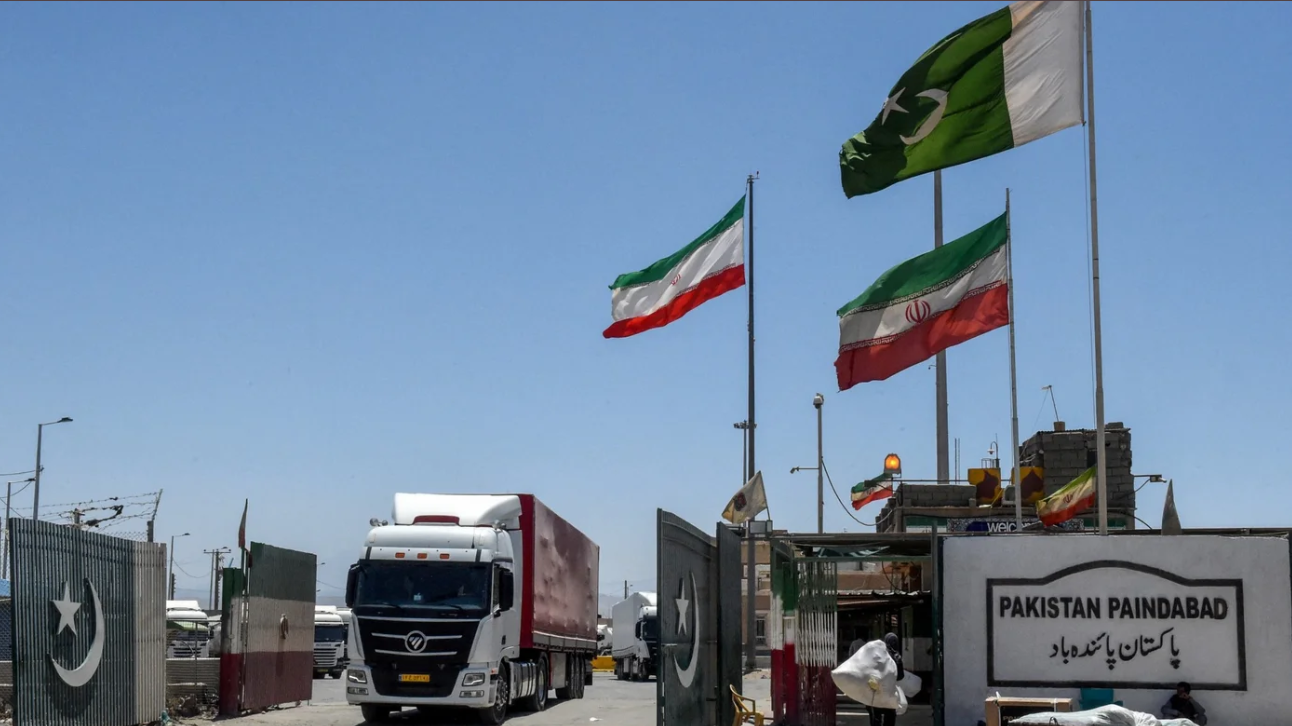
The newly activated land corridor between Iran and Pakistan has reportedly broken the UAE's maritime monopoly on West Asian transit, offering a route that bypasses the Strait of Hormuz and connects to China's $60 billion economic corridor.
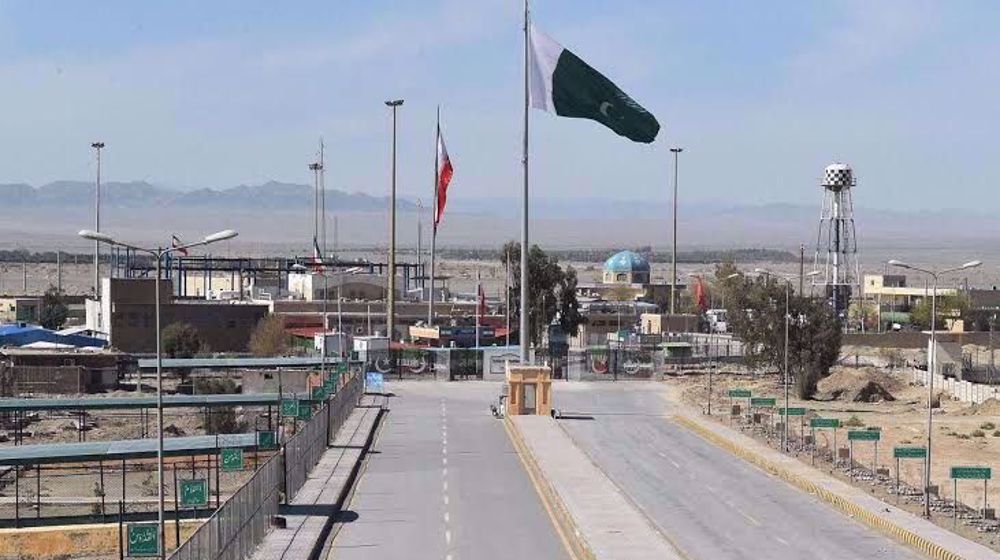
According to a report by Iran's Fars News Agency, the corridor—activated based on a 2008 road transport agreement between Tehran and Islamabad—now links six land routes from Pakistan's key ports of Gwadar, Karachi, and Port Qasim to Iran's border crossings at Taftan and Gabd.
The objective is to move goods from south to north without concern over US naval vessels or maritime restrictions.
A report by the Russian International Affairs Council (RIAC) confirmed that the first commercial shipment via the corridor has already reached Tashkent, the capital of Uzbekistan.
The project's turning point is its connection to the China-Pakistan Economic Corridor (CPEC). Through its southeastern borders, Iran can now access a 3,000-kilometer network linking western China to the Indian Ocean.
Analysts say this connection opens a new route for trade between Tehran, Beijing, and Central Asian countries, reducing pressure from maritime sanctions.
Pakistan, for its part, is using the corridor to move away from the unstable Afghan transit route.
Having faced severe border tensions with Kabul in recent years, Islamabad now has a direct and secure path to the markets of Uzbekistan, Tajikistan, and Kyrgyzstan.
Meanwhile, Iran is pursuing the Chabahar-Zahedan railway project, which is more than 90 percent complete.
Expected to be operational by the end of spring 2026, the rail line is part of the North-South Corridor and will connect southern Iranian ports to Russia and Central Asia.
Experts believe the combination of these two corridors—east-west and north-south—will create a logistics triangle, upgrading Iran's role from a transit country to a regional hub.
In this shifting landscape, the biggest loser appears to be the United Arab Emirates.
Dubai and Abu Dhabi, which for years served as the primary transit and re-export hubs for goods bound for Iran and Central Asia, now face competition from a low-cost land corridor.
While experts stress that roads will never fully replace ships, they note that in times of crisis or heightened military tensions in the Strait of Hormuz, these land routes can keep trade flowing.
Iran shut down the strategic corridor to enemies and their allies in retaliation for the United States' and the Israeli regime's latest bout of unprovoked aggression against the country.

Three security forces killed in shooting attack in Pakistan’s Karachi
Pakistan facilitates return of 22 Iranian sailors after US unlawful seizure of tanker
Iran's defense capabilities 'non-negotiable,' President Pezeshkian says



Hezbollah MP blasts ‘sell-out’ government, says Lebanon central to any Iran-US deal
Israeli army demolishes buildings across Gaza as ceasefire violations continue
VIDEO | Press TV's news headlines
VIDEO | Thousands displaced by earthquake in Venezuela receive temporary shelters
Iran will respond decisively to any ceasefire violation: Acting defense minister
Trump criticized Spain for not meeting NATO spending targets
Arab League, Arab Parliament condemn repeated Israeli attacks on Syria
Management of Strait of Hormuz solely Iran’s responsibility: Senior MP


 PressTV NEWSLETTER
now
PressTV NEWSLETTER
now
 This makes it easy to access the Press TV website
