US bombast of Strait of Hormuz 'safe corridor' smacks of desperation to end an unwinnable war
By Press TV Strategic Analysis Desk
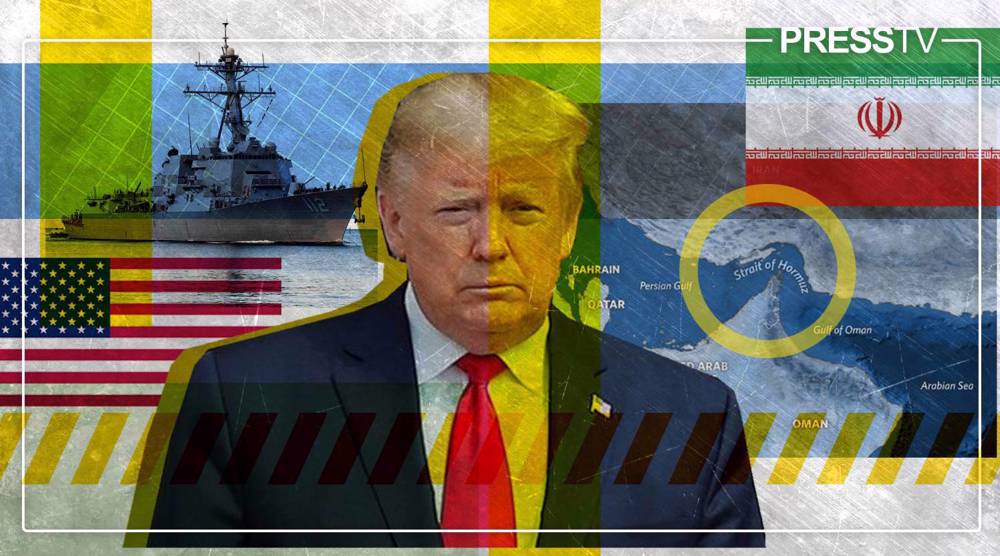
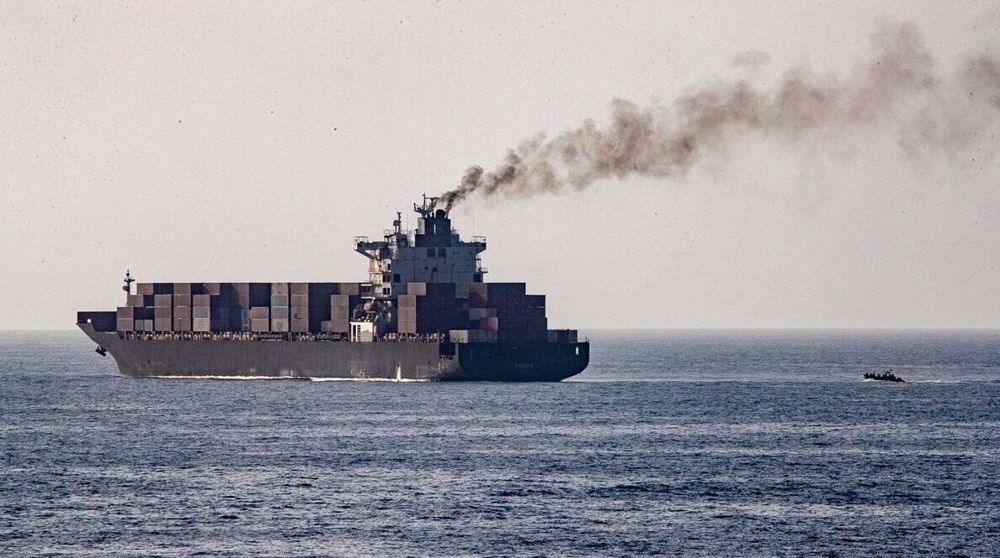
In a social media post on Sunday, President Donald Trump announced that the US military would begin "freeing" merchant ships stranded in the Strait of Hormuz, calling it "Project Freedom" and framing it as a “humanitarian gesture.”
It came shortly after Iran confirmed it had received an American response to its latest proposal for a permanent end to the war, which is now approaching the 70-day mark.
The bombast to create a "safe corridor" through a strategic waterway firmly under the control of Iranian armed forces is by no measure a sign of strength or authority. It is a symptom of distress and alarm that the Americans are increasingly grappling with.
Beneath the bluster of warships and press releases lies a so-called “superpower” trapped in a strategic nightmare: losing a war it cannot afford to continue without nightmarish consequences, against an adversary it can no longer afford to underestimate.
What is becoming increasingly clear is that the US is in a rush because time has become its worst enemy. Iran, by contrast, stands resolute and confident as it holds all the cards.
To understand the gravity of the current moment, one must first abandon the discarded narrative of American invincibility. The US military machine remains fearsome, but war is no longer won by firepower alone. It is won by strategy, by geography, by the ability to absorb pain longer than the other side. And on all these fronts, Washington is losing.
The clock is ticking against America
Contrary to its public posture, the US is in a great rush to reopen the Strait of Hormuz, which remains closed primarily due to US piracy and banditry in the strategic waterway.
Why the hurry? Because the passage of time under current conditions does not favor the enemy. Every day the waterway remains closed, every week the war grinds on, the balance tilts further away from Washington and closer to Tehran.
This is not speculation. It is the assessment backed by irrefutable evidence. The Americans have tested all their blueprints and models. They have estimated their losses. And what they see frightens them – the continued closure of the strait will hurt it more than it hurts Iran.
This is the first and most important reason for their desperation. Iran lives in the neighborhood. It is part of the region’s fabric. It belongs here. Iran's economy has already adapted to decades of illegal and draconian sanctions and “maximum pressure.”
The US, however, must project power across half the planet, supply allies, maintain global shipping lanes, and justify endless expenditure to a war-weary domestic audience. In a war of attrition over a narrow waterway, geography is on Iran's side.
Iran's undeclared factors could turn any new aggression into bigger defeat for US: Analysishttps://t.co/IYtzl2tRal
— Press TV 🔻 (@PressTV) May 2, 2026
Why the US needs a win - any win
The second reason for American haste is perhaps even more telling: the enemy seeks to obtain some gain, even if merely symbolic, before any possible re-entry into negotiations to end the unprovoked and illegal war against Iran.
In plain terms, Washington is desperate for a victory that looks like a victory – anything to bring to the table. A reopened strait, even under nominal conditions, would be presented as an achievement by the embattled US president before the November midterms. A “humanitarian corridor,” no matter how stage-managed, would be spun as moral leadership.
But this reveals an inherent weakness, not strength. A confident power does not chase symbolic victories. It sets terms and waits. The US is rushing to manufacture a diplomatic trophy because it knows that without one, it will enter future negotiations from a position of humiliation – like it did following the 40-day war.
Every day the Strait continues to be effectively managed by Iran, every day American warships hesitate, the credibility and standing of the United States erode further.
The trap of public opinion and the blame game
Perhaps the most cunning aspect of the American maneuver is its attempt to manipulate world opinion. It is claiming “humanitarian” motives for wanting to reopen the strait that was closed in the first place due to American maritime banditry and piracy.
And the Americans know Iran would respond forcefully to such gimmicks. So, why would it deliberately provoke a reaction it knows is coming? Because it wants to film the response. It wants to tell the world: Look, Iran started this. Iran closed the Strait and fired first.
This is classic colonial-era stagecraft: provoke and then play the victim. The Americans understand that any renewed war would be deeply unpopular. They need to justify it to their own people and to skeptical allies. So they are manufacturing a scene. They are pretending to offer safe passage while fully expecting Iranian resistance.
And when that resistance comes, they will point fingers and cry aggression. This formula has been used extensively before to manufacture consent for an unprovoked aggression.
But this trick only works on the uninformed. Iran has repeatedly declared – clearly, publicly, unequivocally – that it will confront US warships approaching the Strait. There is no ambiguity. The warning has been given in clear terms. If the US chooses to test that warning, the responsibility for what follows rests entirely with Washington.
✍️ Analysis - Iran's strategic patience and resilience outplay US war machine as Trump's desperation deepens
— Press TV 🔻 (@PressTV) May 2, 2026
By Press TV Strategic Analysis Deskhttps://t.co/qnDdpvM2He pic.twitter.com/17tJgGhTZh
Iran's unshakable strategic position
So where does this leave Iran? Without a shade of doubt, in a position of remarkable strength. The desperate party in this war is the United States, not Iran, and even Western pundits acknowledge it. The party that has suffered greater reputational losses is America and the Zionist regime, not Iran and the resistance front. The party in more immediate need to exit the war is Washington, not Tehran. And – most critically – the party that still holds more unrevealed cards in the continuation of the war is Iran, not the United States.
Let that sink in. Iran has options and cards it has not yet played or revealed. The United States, by contrast, is already showing its hand in a frantic attempt to shape the narrative.
That is the difference between a power that is winning and a power that is losing. A winner does not rush or beg for a symbolic corridor when it knows it will face a severe response.
Iran's confidence flows from several realities. First, the unchallenged control over the Strait of Hormuz is not a bargaining chip, but a strategic necessity. It was earned through decades of enemy exploitation, during which the strait was used to supply bases that threatened Iran. To cede that control would be to repeat the past. Iran has no intention of doing so.
Second, war reparations are Iran's natural right. The aggressor must pay for the damages of its aggression that was unprovoked and illegal. This is international logic.
Third, the enemy has no right to raise unrelated demands – such as nuclear or missile issues – in any future negotiations to end the war. Those issues are separate. The war is about aggression, occupation, and closure of the Strait
What the enemy really wants
The enemy's strategy is a total operational and propaganda concentration on creating disunity and discontent inside Iran. Sowing discord between officials and the people, exploiting economic fault lines, and provoking livelihood grievances.
The US knows it cannot win on the battlefield or at the negotiating table, as has been demonstrated. So it is now trying to foment tensions inside the country.
This is the confession of a desperate power. When you cannot defeat an enemy from outside, you try to break them from within. Iran's leadership understands this, and it is taking all necessary measures to address the issues people face – despite the enemy’s attempts to use the “maximum pressure” to make life difficult for the Iranian people.
Having said that, the United States wants the world to believe it is still in control. It wants the Strait of Hormuz to look like just another American waterway. It wants negotiations to end the war to be held on its terms.
But, we know the reality on the ground – the so-called “superpower” is running out of time, chasing symbolic wins, manufacturing humanitarian cover, and praying that Iran will blink.
The strait will remain under Iranian management. War reparations will remain on the table. Unrelated demands will remain rejected. And the enemy – desperate, exposed, and cornered – will either accept a humiliating exit or stumble into a wider war it cannot afford.
Mission unaccomplished – Part VI: US sought Iran’s surrender but got a new regional superpower
Contrary to enemy propaganda, Iran’s defense sector continues to make progress: Top general
Iran marks 39th anniversary of Sardasht chemical massacre, demands accountability from Western enabl



Iran becomes world's 3rd producer of rapid gas detection kits, says knowledge-based firm
Iran monitors US compliance moment-by-moment, won’t implement MoU unilaterally: FM spox
Hezbollah MP blasts ‘sell-out’ government, says Lebanon central to any Iran-US deal
Israeli army demolishes buildings across Gaza as ceasefire violations continue
VIDEO | Press TV's news headlines
VIDEO | Thousands displaced by earthquake in Venezuela receive temporary shelters
Iran will respond decisively to any ceasefire violation: Acting defense minister
Trump criticized Spain for not meeting NATO spending targets


 PressTV NEWSLETTER
now
PressTV NEWSLETTER
now
 This makes it easy to access the Press TV website
