Iran leads world in science papers per research dollar, outperforming US and China
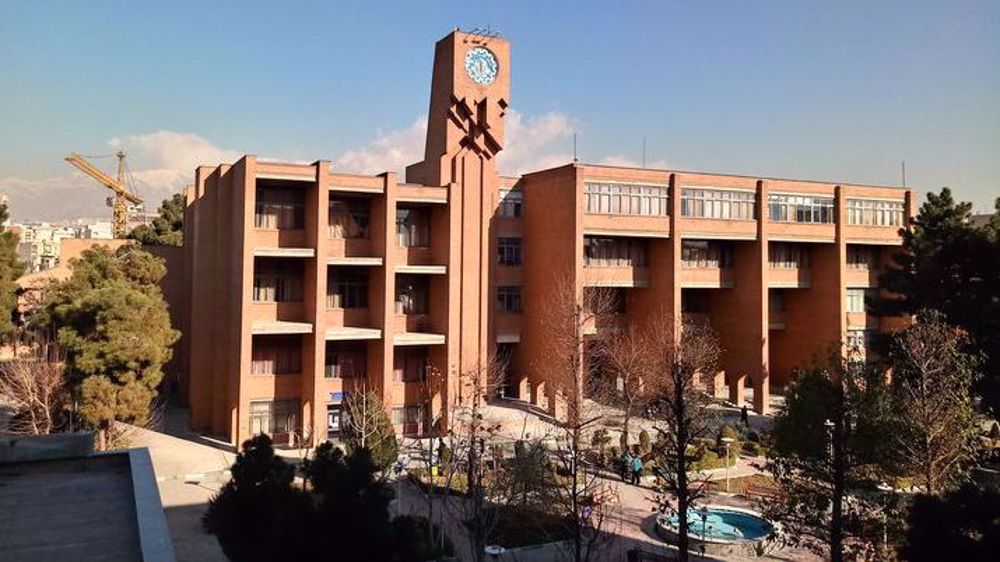
According to newly released data, Iranian researchers produce more internationally indexed scientific papers per research dollar than any other major scientific nation.
Iran has ranked first among the world’s 20 leading scientific producers in publication efficiency, according to new findings released by the Islamic World Science Citation and Monitoring Institute (ISC), underscoring the country’s ability to maintain a strong international research presence despite financial and infrastructural limitations.
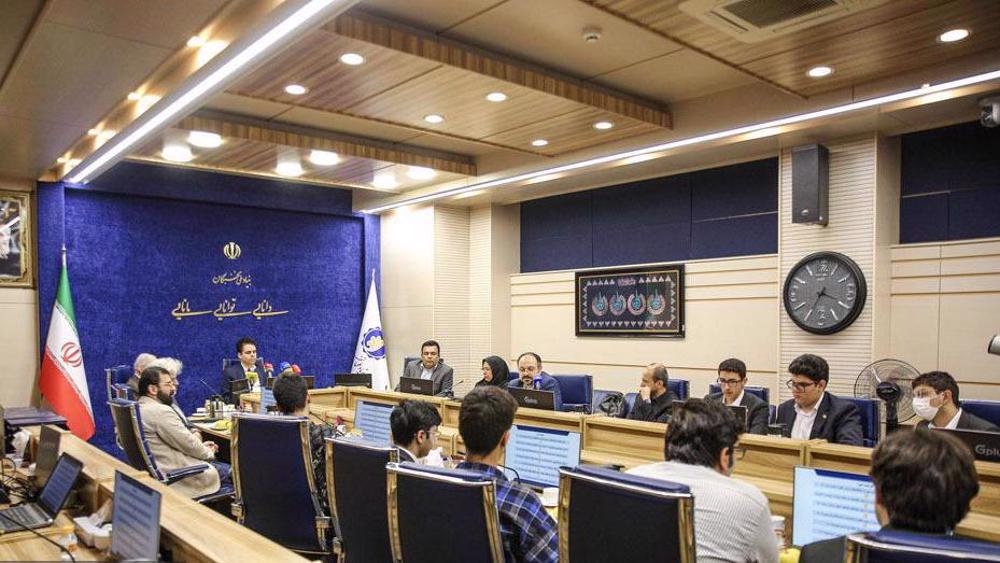
Speaking to the media on Tuesday, ISC President Mohammad Mehdi Alavian-Mehr said the results reflect the strength of Iran’s scientific workforce and its ability to transform limited research resources into measurable academic output.
“The indicator shows that Iranian researchers have managed to produce considerable scientific output with far more limited resources than many advanced countries,” Alavian-Mehr said.
According to the report, Iran produced 78,102 scientific documents indexed in Scopus in 2025.
When measured against the country’s estimated research and development budget — calculated at roughly $13.4 billion based on purchasing power parity and a 0.73 percent R&D share of GDP — Iran generated approximately 5,824 scientific papers per $1 billion spent on research and development.
That figure placed Iran ahead of all other top scientific nations in terms of publication efficiency.
The contrast becomes sharper when compared with global economic powers traditionally viewed as leaders in science and technology, Alavian-Mehr said.
China, which produced more than 1.39 million indexed scientific documents in 2025, generated about 1,309 papers per $1 billion in R&D spending due to its enormous research budget exceeding $1 trillion.
The United States, another scientific heavyweight with nearly 765,000 indexed publications, produced roughly 721 papers per $1 billion in research expenditures, reflecting the scale of its estimated $1.06 trillion R&D investment.
Alavian-Mehr noted that while raw publication numbers naturally favor countries with larger economies, more universities, and stronger infrastructure, efficiency-based measurements reveal a different reality.
“When scientific output is measured relative to resources spent on research and development, Iran rises to the top,” he said.
📚 Iran ranks first in the world for scientific output efficiency despite limited resources
— Iran First (@IranFirst_PTV) May 26, 2026
With 78,102 Scopus papers in 2025, Iran leads in publications per billion dollars of R&D budget—ahead of China, US & Germany.#IranFirst pic.twitter.com/k9Xc5BMFPL
The report also showed that several industrialized nations, including Germany, Japan, South Korea, Britain, France, and Canada, ranked below Iran on the same indicator despite possessing well-established research systems and far larger scientific budgets.
Among developing and emerging economies, Indonesia, Saudi Arabia, and India followed Iran in publication efficiency rankings.
At the same time, officials stressed that publication volume alone does not fully define scientific strength.
Alavian-Mehr said factors such as research quality, innovation, patents, industrial applications, and the ability to solve national challenges remain equally important indicators of scientific progress.
He also warned that sustained pressure to increase publication numbers without improving research conditions could eventually weaken the scientific environment and place additional strain on researchers.
Still, he described Iran’s standing as evidence of the country’s strong human capital and scientific resilience.
Alavian Mehr added that, from another perspective, Iran also recorded the lowest research cost per scientific document among the countries examined.
According to the calculations, the country spends an estimated $172,000 in research and development funding for each Scopus-indexed scientific paper — a figure several times lower than that of many developed nations.
He noted, however, that the low cost does not necessarily indicate ideal research conditions, but rather demonstrates that Iranian researchers have managed to generate substantial scientific output despite limited resources.
“If this human potential is matched with more effective investment in research and development, stronger scientific infrastructure, and smarter support for talented researchers, it can evolve beyond success in scientific publishing and become a driving force for innovation, technology, and solving the country’s major challenges,” Alavian-Mehr highlighted.
Iran emerges as West Asia's organ transplant hub, turning adversity into hope for thousands
World's first ice adhesion test machine: How Iran's Jikan IAT-40 is shaking up global tech
Three Iranian satellites in final testing phase: Space Agency



Hamas military chief assassinated in Israeli airstrike on Gaza city
Qalibaf urges Islamic unity without foreign interference to resolve regional crises
Iran leads world in science papers per research dollar, outperforming US and China
VIDEO | Battlefield of attrition
Pezeshkian: Economic war is main front after enemy's military failure
Leader’s advisor: Hormuz, Iran’s real guarantee in any future agreement
'Defeated militarily,' enemies waging hidden war: Iran Intel Ministry warns
'A colossal mistake': Mearsheimer on why war on Iran will dwarf US Iraq disaster




 PressTV NEWSLETTER
now
PressTV NEWSLETTER
now
 This makes it easy to access the Press TV website
