‘Only weeks’ of commercial oil inventories left, IEA chief warns
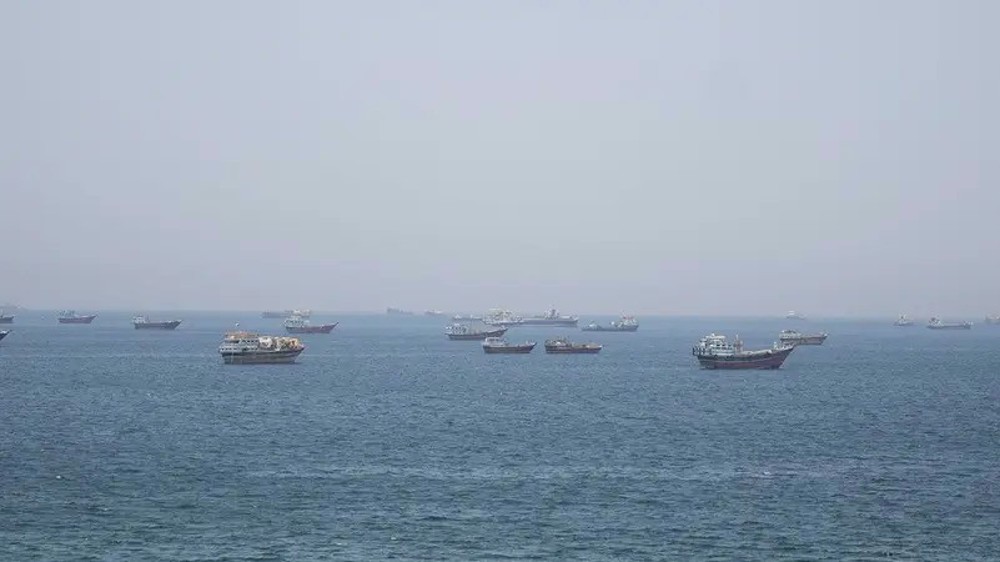
The head of the International Energy Agency (IEA) has warned that commercial oil inventories are depleting rapidly and that the world only has a few weeks' worth of oil reserves left due to the situation in the Strait of Hormuz caused by the US-Israeli aggression against Iran.
Noting that the release of strategic oil reserves had added 2.5 million barrels of oil per day to the market, Fatih Birol, who is participating in the Group of Seven finance leaders meeting in Paris, told reporters on Monday that these reserves "are not endless".
He warned that inventories will be depleted more quickly as the onset of the spring planting and summer travel seasons in the northern hemisphere increases demand for diesel, fertilizer, jet fuel and gasoline.
Asked about his comments in the G7 meeting, Biral stated that he described "a perception gap in the markets between the physical markets and the financial markets" for oil.
He said that there was a major surplus in the oil markets, and commercial inventories were very high before the US-Israeli aggression began on February 28, stressing that the situation has rapidly shifted due to the war.
Commercial inventories would last "several weeks, but we should be aware of the fact that it is declining rapidly," Birol stated.
Last week, the agency announced that global oil supply will fall short of total demand this year as the imposed war on Iran wreaks havoc on West Asia oil production, and inventories were being drained at an unprecedented pace.
That’s why the IEA had previously forecast a surplus this year.
According to the IEA’s latest monthly oil market report, global observed oil inventories fell at a record pace in March and April, dropping by 246 million barrels.
In a bid to calm markets, the 32-member IEA coordinated the largest-ever release of stocks from strategic reserves in March, agreeing to withdraw 400 million barrels.
Around 164 million barrels had been released by May 8, it said.
Overall global oil supply will plunge by around 3.9 million barrels per day across 2026 due to the war, the agency said, slashing its previous forecast, which had projected a 1.5 million bpd drop.
The US-Israeli aggression was launched as Tehran and Washington had held three rounds of indirect negotiations in the Omani capital of Muscat and the Swiss city of Geneva and planned to open technical talks in Vienna, Austria.
Iran began to swiftly retaliate against the strikes by launching barrages of missiles and drone attacks on the Israeli-occupied territories as well as on US bases and interests in regional countries.
Iran also shut down the Strait of Hormuz to its enemies and their allies following the unprovoked aggression.
Iranian authorities introduced much stricter controls last month after US President Donald Trump announced a blockade targeting Iranian vessels and ports.
Tehran says the measures violate the terms of a Pakistan-brokered ceasefire that took effect on April 8 and was later extended unilaterally by Washington.
The Islamic Republic insists it will not reopen the Strait of Hormuz, through which one-fifth of the world’s oil and gas supplies pass, unless the illegal blockade is lifted and the war reaches a permanent end.
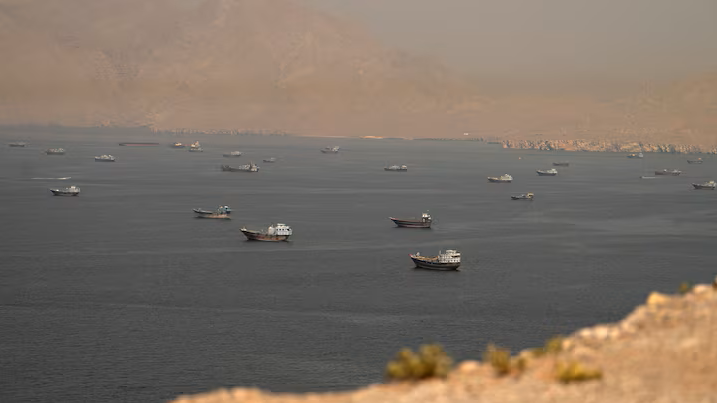
Management of Strait of Hormuz solely Iran’s responsibility: Senior MP

Martyred Leader's funeral to serve as global movement against terrorism, US-Zionist crimes: Army
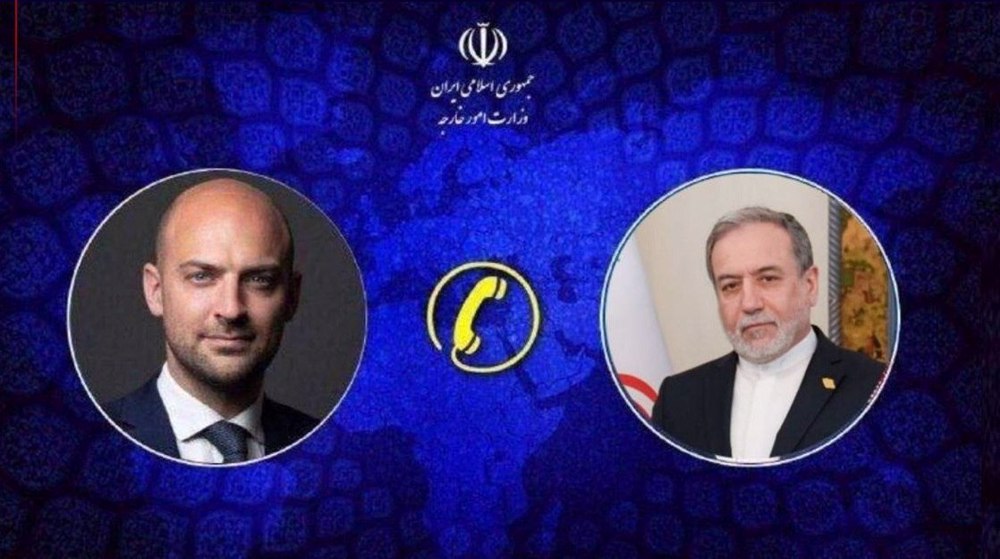
Iran, France FMs discuss Islamabad MoU implementation



Trump criticized Spain for not meeting NATO spending targets
Arab League, Arab Parliament condemn repeated Israeli attacks on Syria
Management of Strait of Hormuz solely Iran’s responsibility: Senior MP
Martyred Leader's funeral to serve as global movement against terrorism, US-Zionist crimes: Army
2026 World Cup: Iran prepares to depart Mexico after 24-day stay in Tijuana
At UN Security Council, Palestine envoy urges world to stop Israeli annexation
Two IRGC servicemen martyred in terror attack in western Iran
VIDEO | Pakistan launches fourth cross-border strikes inside Afghanistan


 PressTV NEWSLETTER
now
PressTV NEWSLETTER
now
 This makes it easy to access the Press TV website
