US renews Russia oil sanctions waiver amid continued Iranian control over Hormuz

The United States has again extended its Russian oil sanctions waiver amid its inability to cope with rising oil prices, caused by Iran’s continued control over the Strait of Hormuz - a key waterway in the Persian Gulf responsible for a fifth of global oil supplies.
The US Treasury’s Office of Foreign Assets Control (OFAC) announced on Monday that it had renewed the waiver for another month to allow the sale of Russian crude oil already loaded onto tankers.
It is the second time OFAC has extended the sanctions waiver, despite growing criticism that the move benefits Russia amid Moscow’s war with Ukraine.
This comes as Treasury Secretary Scott Bessent had vowed last month that the US would not renew the waiver in May.
However, Bessent justified the decision in a post on his X account on Monday by saying that it would help the most energy-vulnerable countries by ensuring that oil reaches them at a time when supplies have been reduced because of the situation in the Persian Gulf.
He also claimed that the renewal of the waivers would block China’s efforts to stockpile discounted oil.
The US has been grappling with rising international oil prices, which have translated into higher fuel rates at home, since it launched a joint aggression with the Israeli regime against Iran in late February.
The aggression prompted a swift Iranian response, as Tehran imposed tight restrictions on passage through the Strait of Hormuz, citing security concerns.
The restrictions, which have remained in place even after a ceasefire was announced on April 8 to halt the aggression, have seriously disrupted the supply of energy and commodities through the Strait of Hormuz and into global markets.
OFAC even issued a one-month waiver on sanctions against Iranian crude oil sales in March, but refused to extend it last month.
However, recent reports suggest the US may decide to ease its sanctions on private buyers of Iranian oil in China to allow more oil to flow to the markets and prevent a further rise in prices.
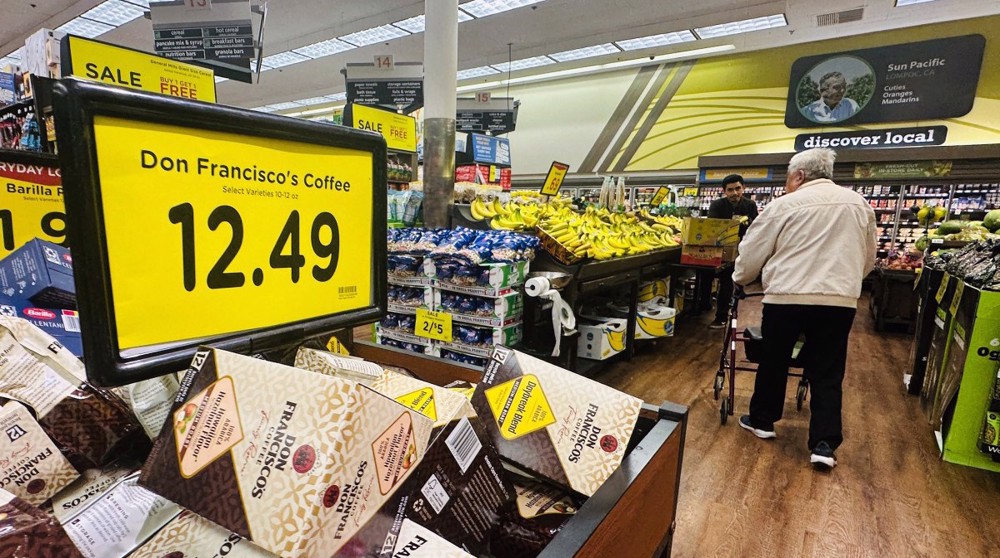
Americans ‘frustrated’, ‘angry’ as economy struggles under weight of Iran war, new poll finds
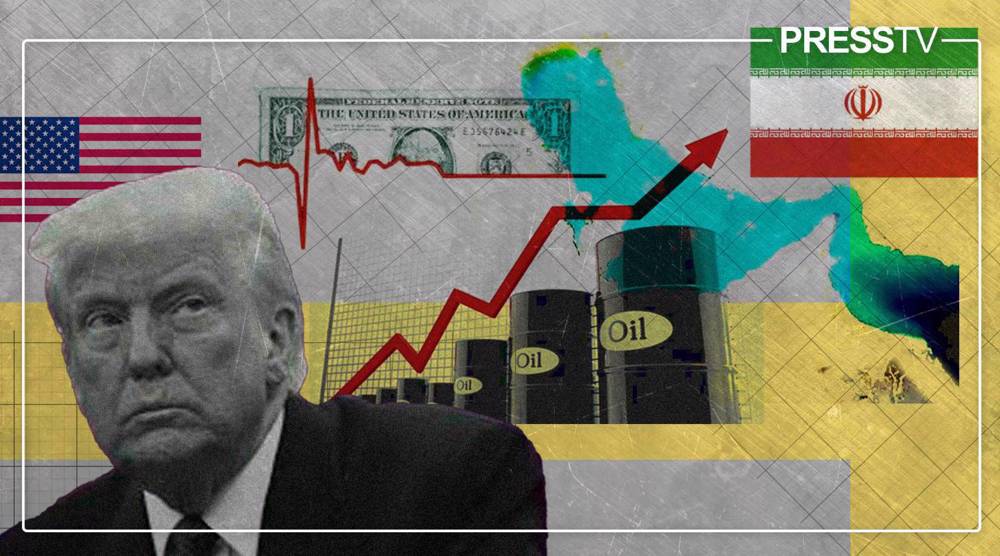
Trump's war on Iran triggers energy crisis, recession fears, with $39tr debt ticking like a bomb
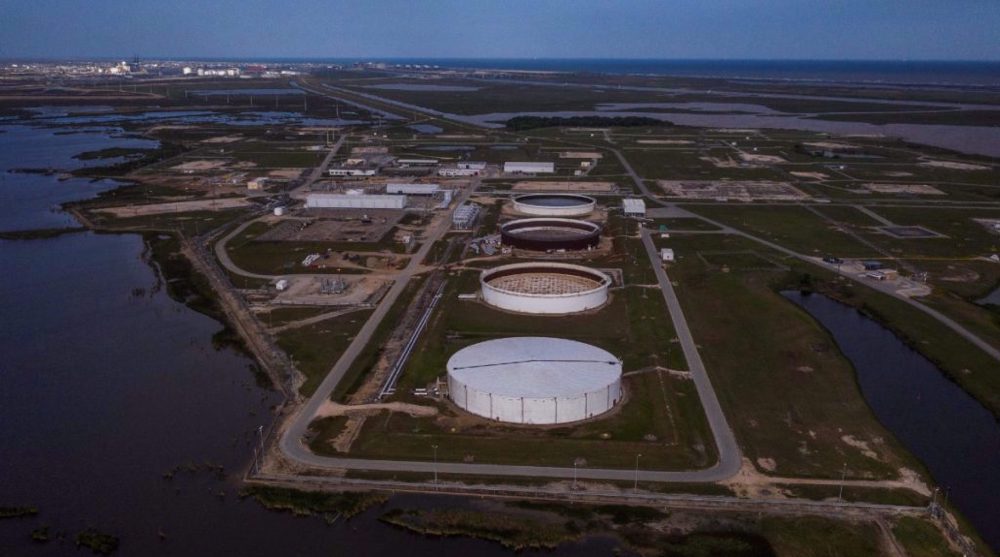
US releasing 53mn barrels from strategic oil reserve to mitigate fallout from war on Iran



Gunmen attack Islamic Center of San Diego amid rising Islamophobia in US
Yemen's Ansarullah chief calls for economic, political sanctions on enemies
Italians strike to denounce military spending, Israel’s Gaza genocide
US renews Russia oil sanctions waiver amid continued Iranian control over Hormuz
Israeli displacement policy in occupied al-Quds poses existential threat to Palestinians: Hamas
Yemeni armed forces shoot down intruding US MQ-9 Reaper drone
‘Only weeks’ of commercial oil inventories left, IEA chief warns
Iran says any agreement with US must end war on all fronts, lift blockade and sanctions


 PressTV NEWSLETTER now
  This makes it easy to access the Press TV website