US school budgets strained as diesel prices keep soaring due to war on Iran
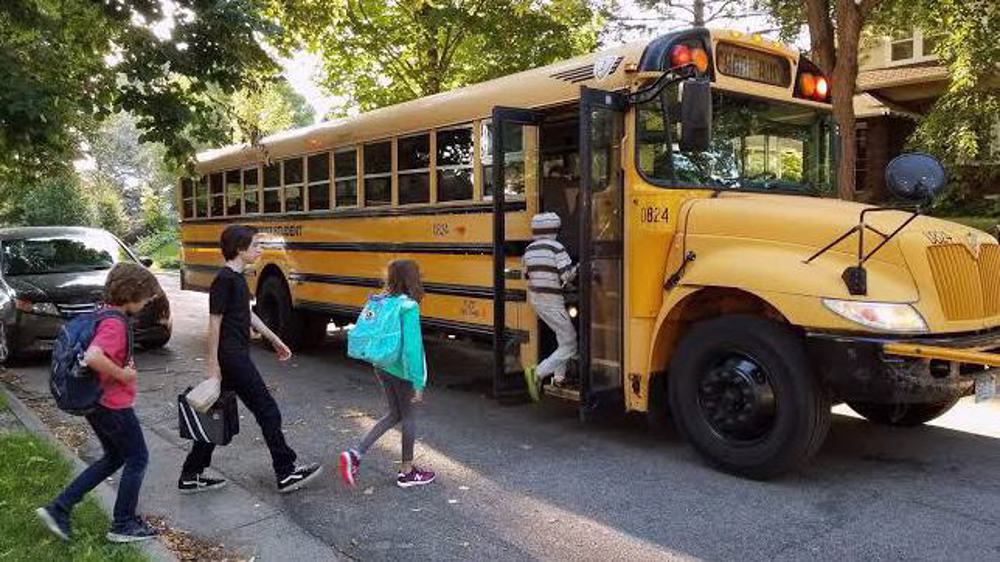
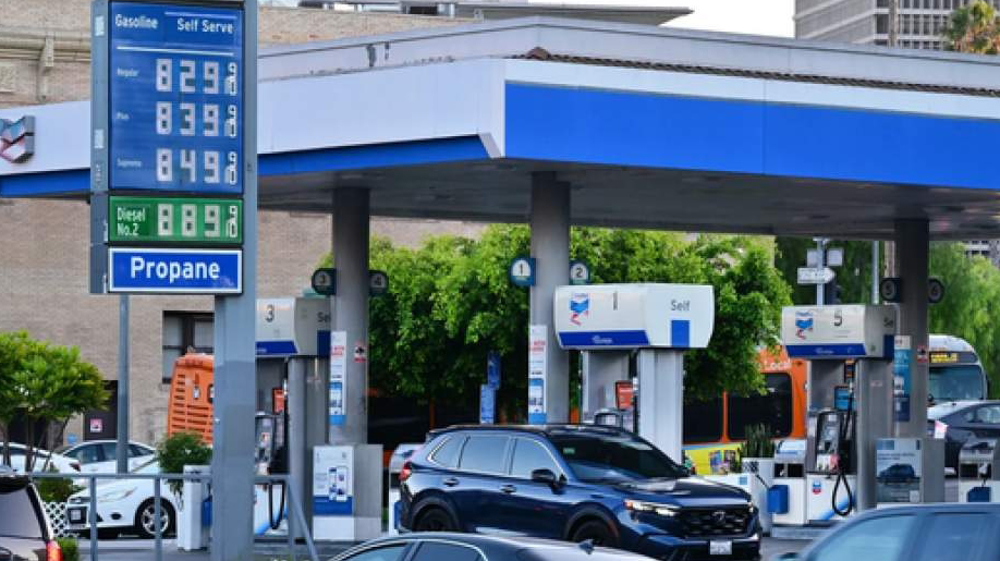
Tight US school budgets are draining as diesel prices keep soaring in the aftermath of the unprovoked US-Israeli war on Iran, which is driving up the costs and making it more expensive to bus students and run generators.
Authorities say they will not be able to afford it in case the conditions persist, and school districts from Yakima, Washington, to Waco, Texas, are siphoning money away from emergency funding reserves to keep buses running.
There are reports that officials in remote Alaska are scrambling to secure enough fuel as part of efforts to keep the lights on.
“It’s more than a straw on the camel’s back, it’s like a haystack,” Yakima Superintendent Trevor Greene said.
The strain points to just one of many adverse impacts of the bloody US-Israeli onslaught against Iran, which has disrupted the flow of around a fifth of the world’s oil supplies.
Since the onset of the war of aggression on February 28, fuel prices have posted one of their most rapid climbs on record.
The steep increase has upended economies globally and has caused enough pain in the US to be a political liability for President Donald Trump ahead of the November midterm elections, when his Republican Party is trying to maintain slim majorities in Congress.
According to the American School Bus Council, US school bus operators are major buyers of diesel, and they consume more than 800 million gallons of diesel annually.
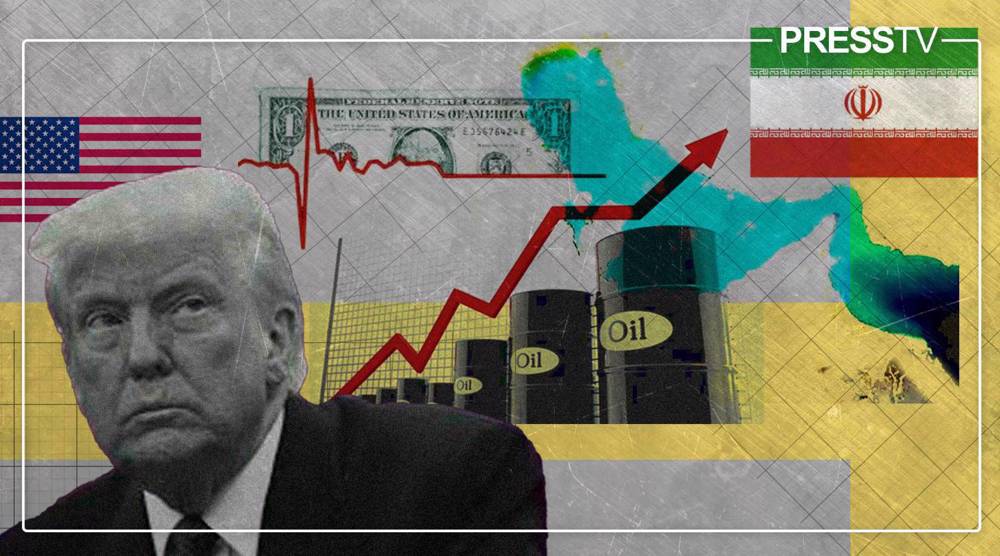
Since December, the price US fleets of all types pay for diesel fuel has risen 67% to reach $5.52 a gallon – an increase that would add about $1.8 billion to the annual cost of operating those school buses, a recent analysis by fleet management technology provider Samsara (IOT.N) shows.
Executive Director of the Association of School Business Officials International, James Rowan, said that it is a huge challenge for schools already facing tight budgets.
“Districts can plan for higher costs, but rapid swings in prices make it very difficult to budget accurately,” he said. “Even districts that have been able to absorb costs this year through reserves or temporary measures – they may not have that same flexibility going forward.”
Approximately a third of US school districts are now tapping money from other funds or programs to cover their increased fuel costs, while almost a fifth are utilizing reserves or rainy day funds, according to a survey of 188 school officials commissioned by the School Superintendents Association (known as AASA), and conducted during the week of May 4.
US school officials are now trying to save money by consolidating bus routes, enforcing anti-idling measures, changing fuel purchasing practices, deferring maintenance work and reducing administrative spending and staffing, the survey also revealed.
US authorities detain American journalist Max Blumenthal upon return from Iran
'Lies and endless wars must stop:' Democrats denounce Trump’s renewed aggression on Iran

Martyrs’ blood is sacred: The strategic imperative of retribution in the light of Leader’s message



VIDEO | Saudi Arabia seeking escalation in Yemen: Activist
US authorities detain American journalist Max Blumenthal upon return from Iran
Iran begins repatriating 55 fishermen detained by UAE after GPS disruptions
Army, IRGC spokesmen hold meeting, affirm unwavering unity against enemy threats
Iranian scientists develop first-of-its-kind device to prevent costly oil pipeline-clogging deposits
Iran denounces UK's threat designation of IRGC as ‘unjustified, irresponsible, against intl. law’
VIDEO | Christian and Muslim, One Front: A father's story of sacrifice against Israeli aggression
Two Daesh terrorists executed in Iran for armed plot



 PressTV NEWSLETTER
now
PressTV NEWSLETTER
now
 This makes it easy to access the Press TV website
