Trump's inability to see Iran's power costs him everything in China
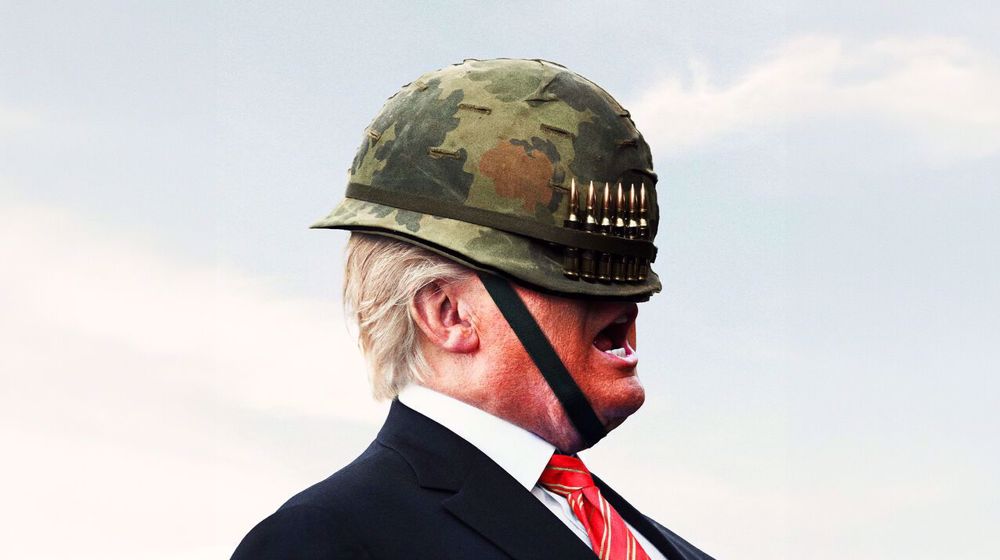
Donald Trump's two-day visit to China starting on Thursday produced zero strategic gains for the United States in its confrontation with Iran.
When Trump finally travelled to Beijing after month of anticipation, Western and Persian Gulf allies alike expected a grand bargain, where the US would offer trade concessions, and in return, China would use its economic leverage to force Iran to the negotiating table.
The trip did not convince China to stop buying Iranian oil, not did it produce a joint plan to reopen the Strait of Hormuz or bring China into line with the American naval blockade against Iran.
On every single sector that mattered to Washington, the visit ended in failure. To understand the scale of this failure, one must look at the specific sectors where the United States hoped to secure China's cooperation.
The most important sector in the entire confrontation with the US is the flow of Iranian crude oil. Iran exports roughly 90 percent of its oil to China. With those purchases continuing, any American blockade becomes an exercise in futility.
According to reporting on Trump's own public statements after the meetings, China’s leadership informed directly that Beijing will continue purchasing Iranian oil without any reduction whatsoever.
Trump himself confirmed that he had discussed lifting American sanctions on China's oil companies and said he would make a decision on the matter soon. This is a fact of enormous economic significance.
The United States entered the negotiations hoping to choke off Iran's oil revenue by squeezing China and instead left Beijing discussing whether to remove sanctions on its energy sector.
Aboard Air Force One while returning Trump told reporters that "I'm not asking for any favors because, when you ask for favors, you have to do favors in return."
He continued, "We don't need favors. We've wiped out their armed forces, essentially," purportedly referring to Iran. In diplomatic terms, this piece of phrasing usually means that the favors he asked for were not granted.
Iran has emerged as a key protagonist, exposing America's strategic vulnerabilities, handing China decisive leverage over Washington, and forcing the international system to accept a new balance of power and new rules of engagement.https://t.co/Uif4dfX5kq https://t.co/NLiv4CZ3V4
— Press TV 🔻 (@PressTV) May 16, 2026
The second sector where failure was total concerns the Strait of Hormuz. Washington had hoped that Beijing would use its diplomatic weight with Iran to reopen the strait under terms acceptable to the US and its Persian Gulf allies. Instead, the visit produced no concrete plan whatsoever.
The fundamental point is that China does not see the strait's insecurity as Iran's fault. On the contrary, China’s official position as articulated by its foreign ministry during the visit called it a war that should never have happened and has no reason to continue.
China continued to emphasize that the region should not be militarized, a position that directly contradicts the American military buildup in the Persian Gulf.
Still, what stood out during the visit were reports that several cargo and tanker vessels linked to China transited the Strait of Hormuz via Iran's safe and permit‑based corridor at the very same time that Trump was meeting with China's leadership.
That was a deliberate signal, according to observers. China ran its vessels through Iranian‑controlled waters with American officials still at the table, because no country serious about joining a naval blockade would ever flaunt such operations during a summit focused on that blockade.
The third sector where the visit failed concerns the nature of the naval blockade itself. According to multiple international think tanks, China considers the question of a naval blockade as something aimed directly at itself rather than merely at Iran.
This perception is not new. Since 2019, when the US announced a naval fleet for the Indian Ocean, China has been reviewing various scenarios about the meaning of a blockade not just in the Iran file but across the entire region from the Sea of Oman to the Taiwan Strait.
China’s stated opposition to militarizing the region is therefore based in realism. US military bases in the southern Persian Gulf, equipped with long‑range radars and and serving as forward headquarters, are viewed by China as tools for destabilization rather than stabilization.
In fact, neither Iran, nor China, nor Russia, nor any other country supports keeping the region in a permanent state of militarization and the US finds itself isolated on this question.
Persian Gulf Arab states may host American bases, but the two largest powers in the eastern hemisphere, China and Russia, have openly sided with Iran in opposing the American military footprint in the strait.
The fourth sector where the visit failed is the economic pressure campaign. Washington had hoped that the threat of trade restrictions or secondary sanctions would compel China to reduce its economic relationship with Iran.
Instead, analysts from the Economist Intelligence Unit and Eurasia Group noted that China holds the upper hand because of its dominance in critical resources, including rare earths, and its diplomatic leverage in the Iran war itself.
This, they say, allowed China to extract concessions from Washington without offering any ground on Iran.
The most concrete evidence of this imbalance is the Boeing aircraft deal. Prior to the visit, discussions had included a potential agreement for China to purchase 500 Boeing jets.
By the time Trump left Beijing, that number had been reduced to just 200 jets, causing Boeing's stock price to fall by four percent on the day of the announcement.
The country that holds the upper hand in negotiations does not accept a sixty percent cut to its planned sales; it imposes such cuts.
The final sector where failure is clear concerns the question of binding commitments. Across all the discussion of trade, tariffs, naval activity, and Iranian oil, China made no binding commitment to the United States on any major issue related to Iran.
Australia's ABC News quoted a foreign policy fellow from the Brookings Institution who stated bluntly that the meeting ended with no China commitment to do anything specific about the war.
The absence of a joint statement after the visit is itself a telling fact. When two major powers conclude a summit with no joint statement, it usually means they could not agree on language that would paper over their differences.
That said, the economic implications of this failed visit are severe and lasting for the United States.
A blockade that cannot stop 90% of Iran's oil, a pressure campaign where Trump discusses lifting Iran sanctions on China, and a negotiation where China cuts jet purchase by 60% and gives nothing on Iran is a strategic defeat dressed in diplomatic clothing.
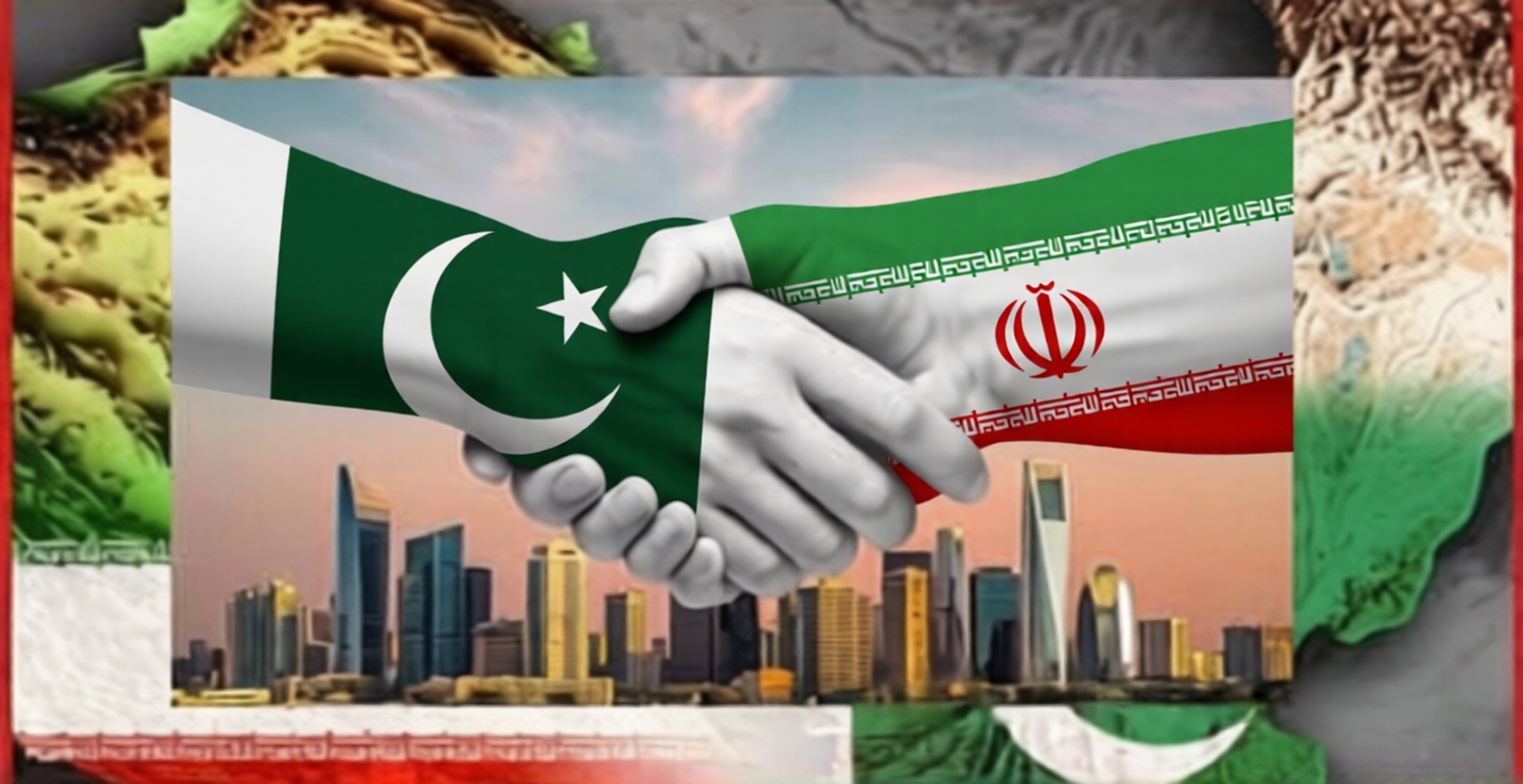
Iran, Pakistan forge blueprint for Islamic economic integration
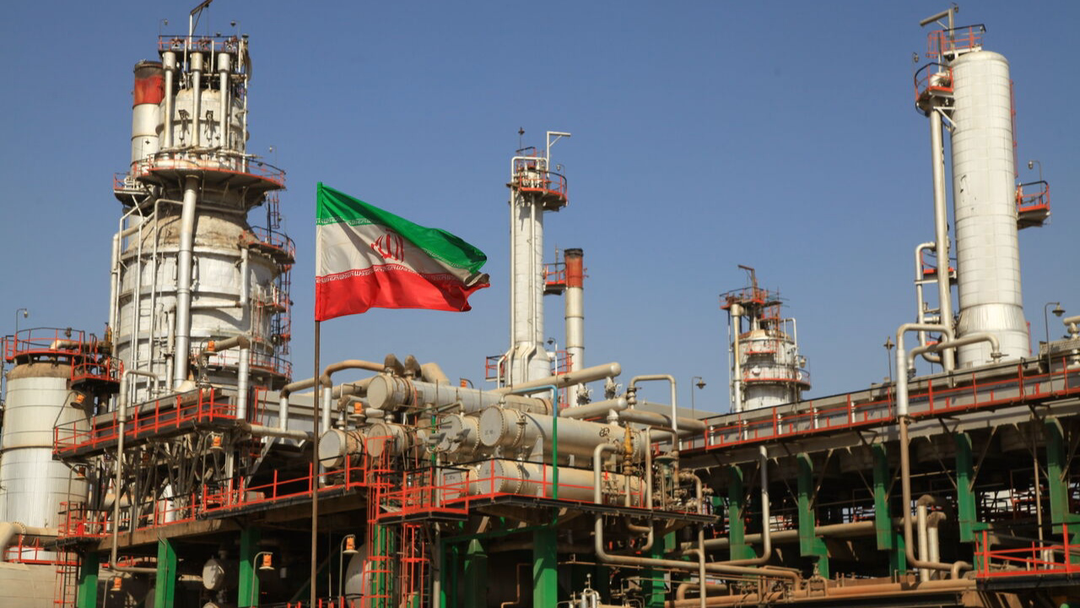
US Treasury issues waiver for Iranian oil exports under Islamabad MoU
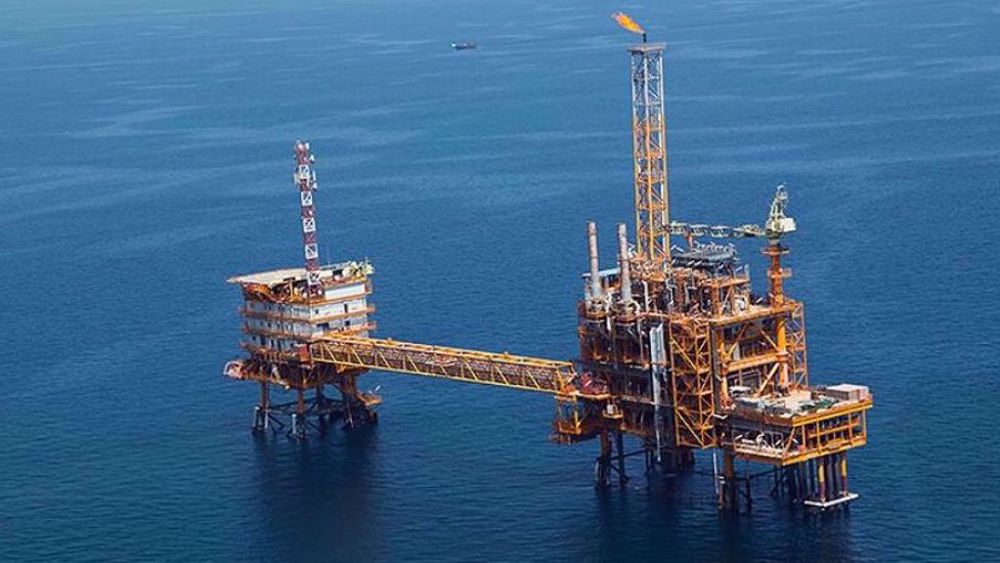
Super-sized drilling rig installed at Iranian offshore oilfield



Venezuela earthquake death toll surpasses 1,700 as search efforts continue
US national pride lowest in two decades: Poll
Pentagon plans US ground troop deployment to force Hezbollah disarmament: Report
Over 90 countries declare readiness to attend funeral of martyred Leader
Mission unaccomplished – Part VII: US sought Iran's collapse but settled for reopening Hormuz Strait
Iran becomes world's 3rd producer of rapid gas detection kits, says knowledge-based firm
Iran monitors US compliance moment-by-moment, won’t implement MoU unilaterally: FM spox
Hezbollah MP blasts ‘sell-out’ government, says Lebanon central to any Iran-US deal


 PressTV NEWSLETTER
now
PressTV NEWSLETTER
now
 This makes it easy to access the Press TV website
