Yemen says not neutral on any new US 'adventurism' against Iran

Yemen's foreign ministry has warned against the adventurism and barbarism of the Trump administration in the Persian Gulf and declared Sana'a's support for Iran's measures in the Strait of Hormuz, the ministry said in a statement.
In a statement on Wednesday, the ministry said the aggression of the US and the Israeli regime against Iran and US piracy in the Sea of Oman have forced the world to pay a heavy cost, evident in disruptions to supply chains and maritime transport, rising shipping costs, and higher energy and food prices.
The Yemeni foreign ministry condemned US piracy in the Sea of Oman and attacks on Iranian commercial vessels and the detention of their crews, describing the actions as a clear violation of international law and the freedom of navigation.
The statement also described Iran's measures in the Strait of Hormuz as lawful, citing countries' right to self-defense and their authority to restrict navigation within their territorial waters in response to security threats.
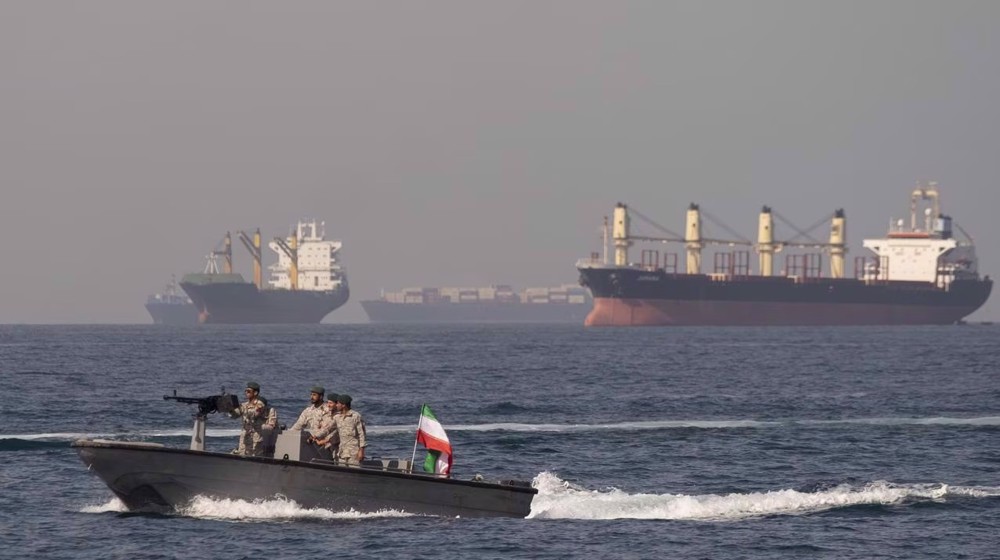
It stressed that the only way to resolve the situation in the Strait of Hormuz is to address the root causes of the US-Israeli aggression against the Islamic Republic of Iran.
The Yemeni foreign ministry warned certain opportunists outside the region against taking any steps that could further complicate the situation and inflict serious damage on supply chains, energy prices, and the global economy, which it said have already been harmed as a result of the barbarism of "criminal Trump and his Zionist partners."
The statement expressed appreciation for Pakistan's mediation efforts aimed at ending the aggression of the United States and the Israeli regime against Iran and stressed that Yemen is not neutral regarding the ongoing attacks on Iran, Lebanon, and Palestine, and that Sana'a's position on this matter is clear, public, and unambiguous.
Iran has restricted transit through the Strait of Hormuz to hostile parties since the US and Israel launched an unprovoked war of aggression against the Islamic Republic on February 28.
Forty days into the war, a two-week ceasefire mediated by Pakistan halted the war on April 8, but Washington-Tehran negotiations in Islamabad failed to reach a deal due to the American delegation’s excessive demands and shifting goalposts.
Trump recently said he was unilaterally extending the ceasefire, but ordered continuation of an illegal blockade of Iranian vessels and ports.
On April 1, US forces attacked and seized the Iranian commercial vessel Touska in the Gulf of Oman, detaining its crew and claiming the ship had violated the so-called naval blockade.
The US-Israeli aggression against Iran drew in resistance forces from across the region, including from Lebanon, Yemen, and Iraq.
Yemen's Ansarullah movement has been a key part of the Axis of Resistance, launching missile and drone attacks on Israeli targets.
Earlier this month, Ansarullah leader Abdul-Malik al-Houthi said the Yemeni resistance movement would return to fighting if the fragile ceasefire between Tehran and Washington expired without an agreement to permanently end the war.

Terrorist Israel serious threat to regional security: Iran's envoy to UN
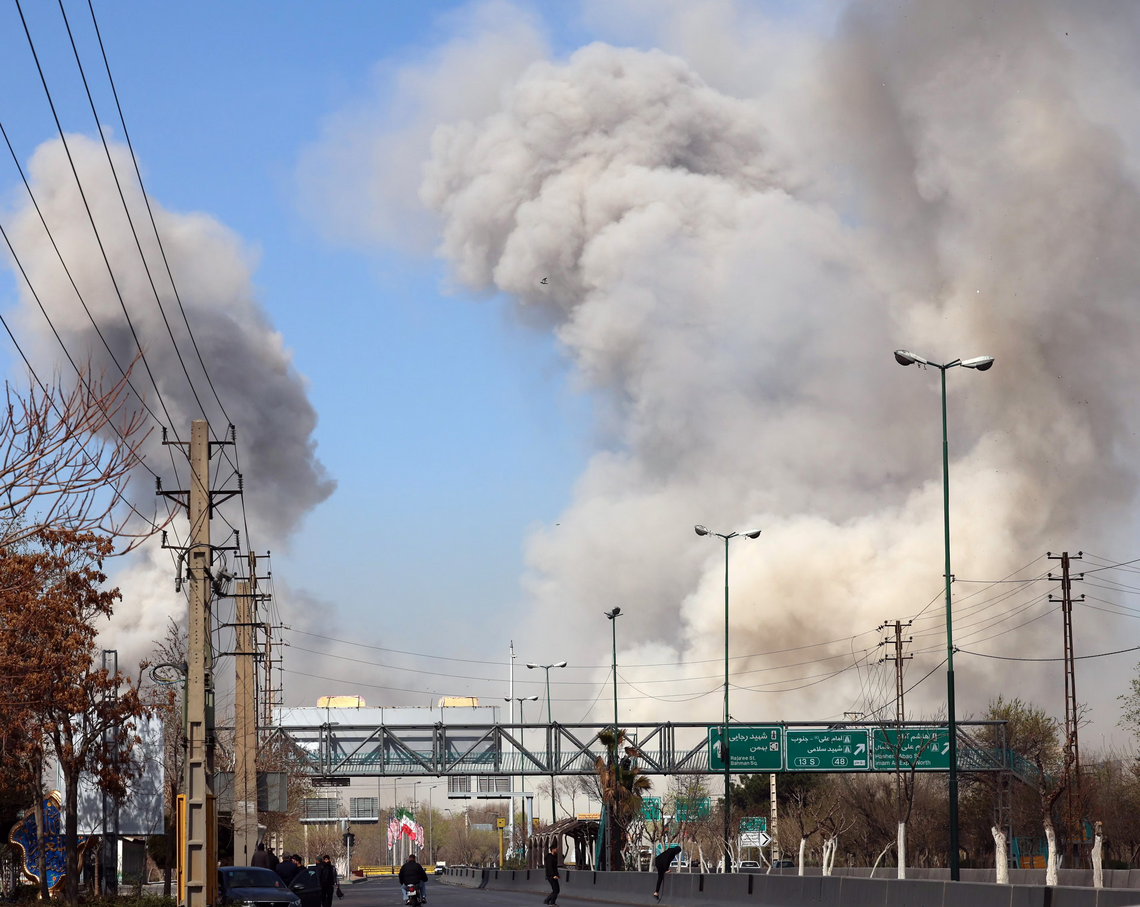
Iran demands UN telecom agency condemn US-Israeli strikes on infrastructure
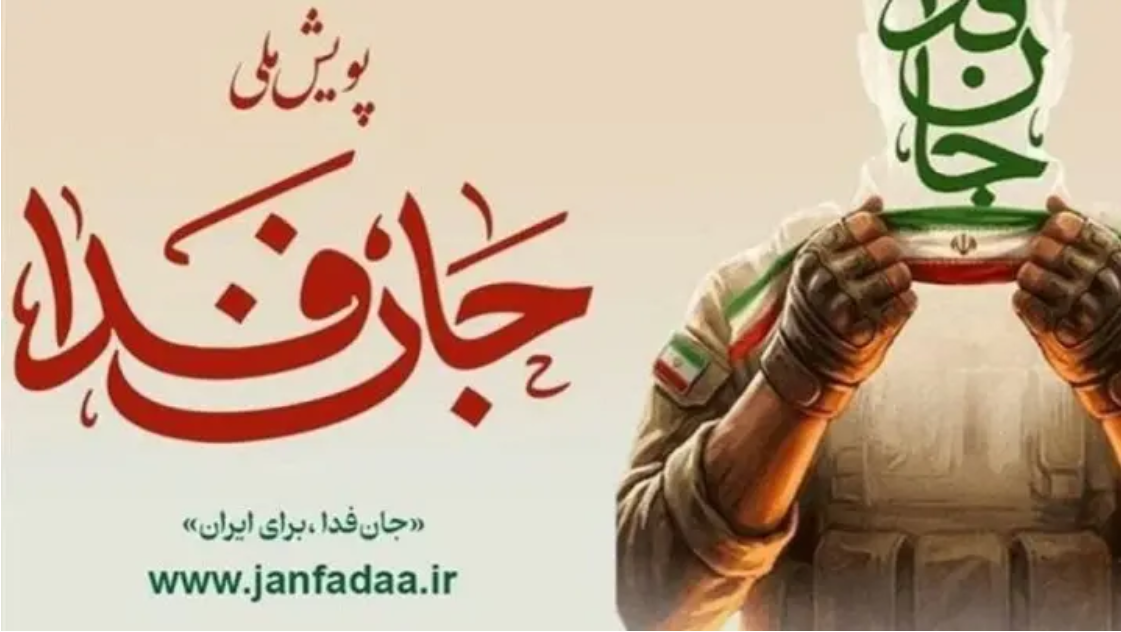
Iran’s envoy: UK media hype about ‘Janfada’ campaign baseless



Perfect four: Iranian beach wrestling quartet sweeps gold in 2026 Sanya
Iran demands UN telecom agency condemn US-Israeli strikes on infrastructure
Terrorist Israel serious threat to regional security: Iran's envoy to UN
Yemen says not neutral on any new US 'adventurism' against Iran
Iran’s envoy: UK media hype about ‘Janfada’ campaign baseless
Iran has every right to counter US piracy, terrorism: UN envoy
IRGC Navy to confront any fresh American aggression with 'surprise tactics': Official
April 28: Iran bolsters regional position with Strait of Hormuz control as US strategy falters


 PressTV NEWSLETTER
now
PressTV NEWSLETTER
now

 This makes it easy to access the Press TV website
