Chinese readers embrace memoirs of Iran’s martyred Leader as digital edition launches
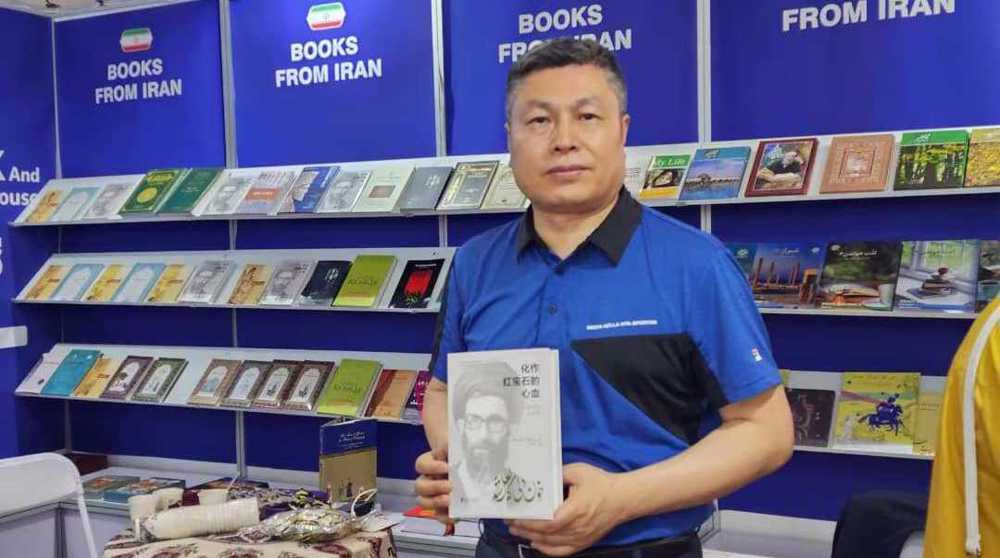
The Chinese translation of the memoir of the martyred Leader of the Islamic Revolution, Ayatollah Seyyed Ali Khamenei, has seen a significant surge in popularity, with the newly released digital edition drawing widespread acclaim on online publishing platforms
The book, titled 'Khoon e dil ke laleh shod' (Blood of the Heart That Turned into Ruby), chronicles the prison and exile experiences of the martyred Leader during the years of struggle against the West-backed Pahlavi regime, leading up to the Islamic Revolution.
Originally written in Arabic by the martyred leader himself, the work was later translated into Persian and has now been rendered into Chinese.
Surge in interest after Leader’s martyrdom
According to a report by the Islamic Republic of Iran Broadcasting (IRIB) from Beijing, while the print version of the book was first released in China two years ago, demand has grown significantly since the Leader's martyrdom in the US-Israeli aggression on February 28.
The recent release of the digital edition has further accelerated interest, with Chinese readers eager to learn more about his life, thoughts, and spiritual legacy.
The book's publisher in China confirmed that purchases have increased noticeably, reflecting a growing desire among Chinese readers to know more about the martyred Leader's inspiring personal and political life.
In addition to the full edition of the book, excerpts from the book have been published on the virtual platforms of the Islamic Republic of Iran's Cultural Mission in China.
These postings – including memoirs, personal notes, biographical details, and especially video clips depicting the Leader's famously simple lifestyle – have been warmly received across Chinese cyberspace, attracting researchers and general readers alike.
The Chinese translation was completed by Professor Chi Wen Deng of Beijing International Studies University, working at the suggestion of Iran's Cultural Mission in Beijing.

Book holds ‘special place’ for author
The book was first unveiled two years ago during the 30th Beijing International Book Fair, as part of a mutual translation exchange program between Iran and China.
Professor Chi, who has previously translated works by the legendary Persian poets Hafez and Nizami into Chinese, said this book holds a special place among all his translations.
"When I conducted my initial study of the book, the narrative of the simple life of the Leader of the Islamic Revolution had a deep impact on me," Professor Chi said.
"I also came to understand what lofty thoughts he held regarding Islamic unity and what painstaking efforts he made to achieve unity between Shia and Sunni."
He added that understanding the Leader's personality and views is “necessary for anyone who wants a better understanding of the realities of today's world."
The translator described translation of any book as a “difficult and labor-intensive process requiring extensive study.”
"Because of this difficulty, the book you choose to translate must be suitable in every respect," he said. "I believe 'Blood of the Heart That Turned into Ruby' was truly worth enduring the hardships of translation. I am pleased that the audience's reception confirms this view."
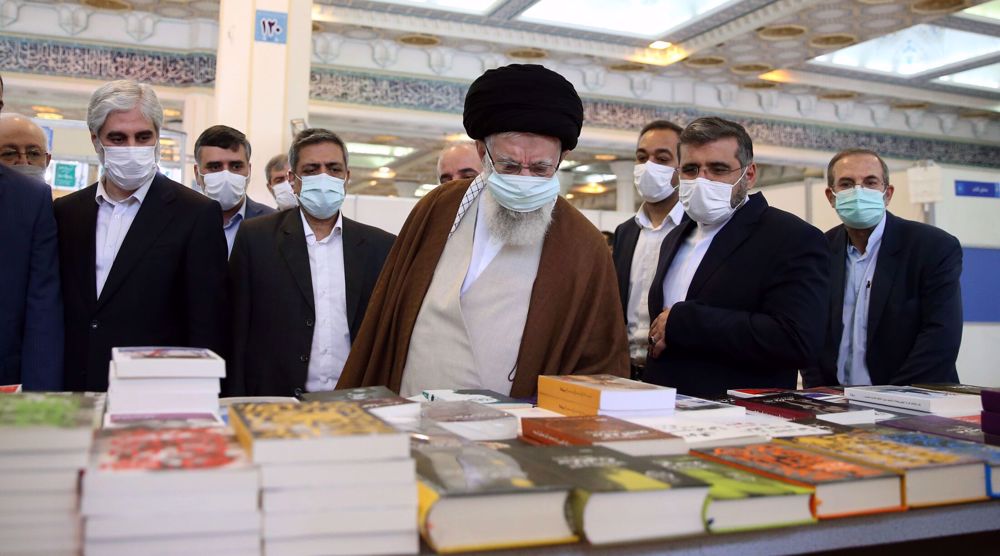
Translator hopes to bring more works to Chinese readers
Expressing happiness at having played a role in introducing the martyred Leader to Chinese audiences, Professor Chi said he hopes to translate more works by or about him in the future.
"Given the increasing interest among Chinese readers in learning more about him, I hope to translate his other works and books that introduce this great leader's character into Chinese as well," he said.
"Blood of the Heart That Turned into Ruby" (Khoon e dil ke laleh shod) is the Persian translation of the Arabic work "Indeed, with Patience Comes Victory" (Inna ma’as sabra nasra), which was previously published in Beirut and introduced by Sayyed Hassan Nasrallah, the martyred leader of the Hezbollah resistance movement.
The martyred Leader of the Islamic Revolution authored the original Arabic text, while Mohammad Hossein Batman Ghlich produced the Persian translation.
The Chinese edition was published through the joint efforts of the Islamic Republic of Iran's Cultural Mission in China and the Translation and Publication Coordination Center of the Islamic Culture and Relations Organization.
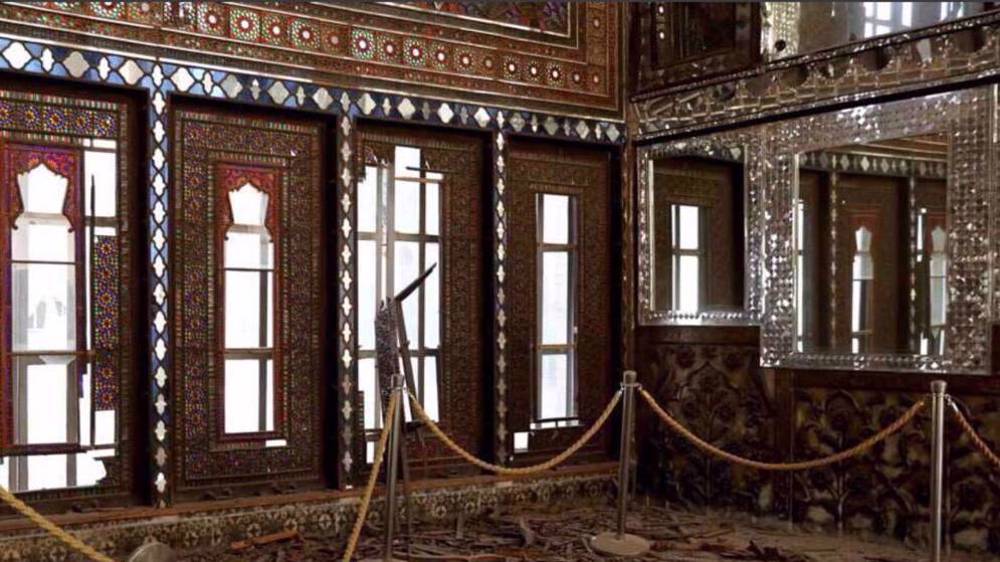
US-Israeli war damaged 150 Iranian historical, cultural sites: Ministry
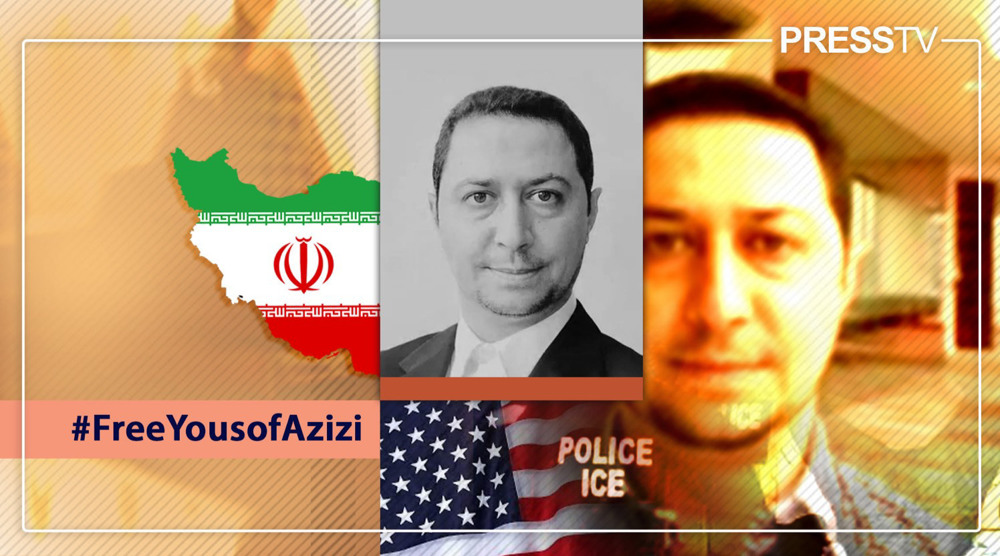
#FreeYousofAzizi: Petition launched to seek release of Iranian anti-war activist held in US
For over 50 nights, Iranians have turned streets into another frontline against the enemy



Iran names World Cup convoy 'Minab 168' in tribute to children killed in US-Israeli bombing
Netanyahu attends 81st court session to answer corruption charges
UAE to exit OPEC and OPEC+ amid rising tensions in region
Iran's Air Force conducted sorties to strike US bases in Iraq, Kuwait, Qatar early in war: Army
The strategic reckoning: Iran’s post-war ascendancy and American Empire’s stunning collapse
Israeli military issues fresh displacement orders for south Lebanon beyond ‘yellow line’
VIDEO | Iran war: Another US failure?
West losing leadership position to Global South: Russia’s president





 PressTV NEWSLETTER
now
PressTV NEWSLETTER
now

 This makes it easy to access the Press TV website
