‘Get out while you can’: Qalibaf warns of limits on US asset sales if tensions soar

Iran’s Parliament Speaker Mohammad Baqer Qalibaf has warned that access to US assets could tighten if tensions escalate, urging investors to “get out while open.”
In a post on X on Saturday, Qalibaf pointed to financial measures that were introduced to apparently “prevent disorderly sale of US assets,” suggesting that some holders may already be facing restrictions on their ability to sell.
“Translation: some holders can’t sell,” he wrote, indicating that certain institutional investors could be subject to hidden caps limiting sales to single-digit percentages.
Swaps given "to prevent disorderly sale of US assets." Translation: some holders can't sell. ICYDK: hidden single-digit % sale cap limits some institutional holders.
— محمدباقر قالیباف | MB Ghalibaf (@mb_ghalibaf) April 24, 2026
Door closes if things escalate. Get out while open.
Their frontline is the yield curve.https://t.co/cVS8UehmAr
He cautioned that the “door closes if things escalate,” framing the situation as time-sensitive for market participants.
The Iranian official added that the United States is prioritizing stability in its bond markets, emphasizing that “their frontline is the yield curve” — a reference to efforts to prevent sharp increases in Treasury yields that could result from mass sell-offs.
Qalibaf’s remarks accompanied a reference to a New York Times report detailing discussions within the US administration on providing financial support to allied economies through currency swap arrangements.
According to the report, US Treasury Secretary Scott Bessent expressed support for extending such mechanisms to the United Arab Emirates (UAE) and some other countries affected by the US-Israeli war of aggression on Iran.
On Monday, The Wall Street Journal reported that the UAE had blamed US President Donald Trump for the economic fallout from the aggression against Iran.
The report said the Arab country had initiated negotiations with the US regarding a potential financial safety net to protect its economy if the war on Iran deepens the crisis in the Persian Gulf.
The US-Israeli aggression against Iran began on February 28 with airstrikes that assassinated senior Iranian officials and commanders, including the Leader of the Islamic Revolution Ayatollah Seyyed Ali Khamenei.
Iranian armed forces responded by launching almost daily missile and drone operations targeting locations in the Israeli-occupied territories as well as US military bases and assets across the region.
Furthermore, Iran retaliated against the strikes by closing the Strait of Hormuz, which resulted in a significant increase in oil prices and its by-products.
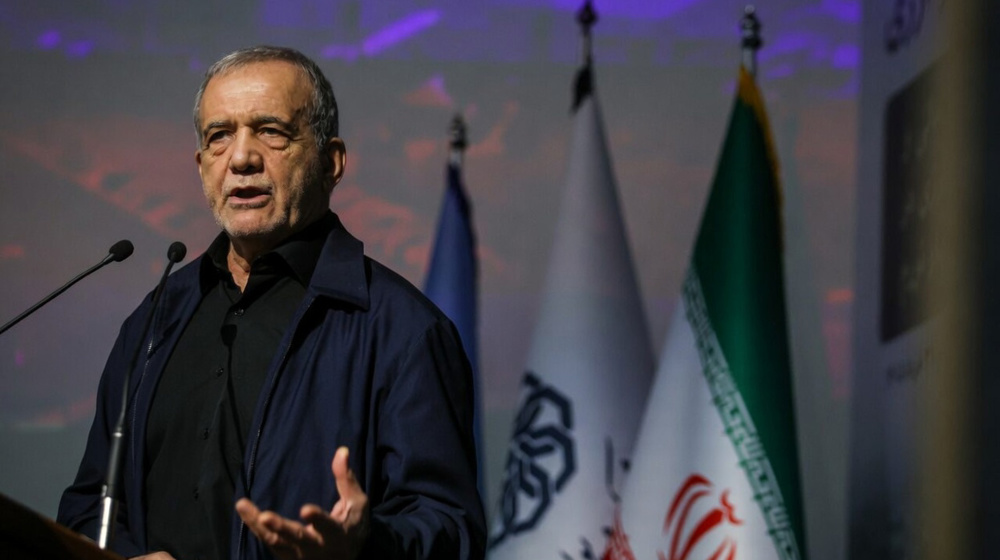
President Pezeshkian says Iran will stand by deal only if US does

Iran says talks with US contingent on implementation of key MoU provisions
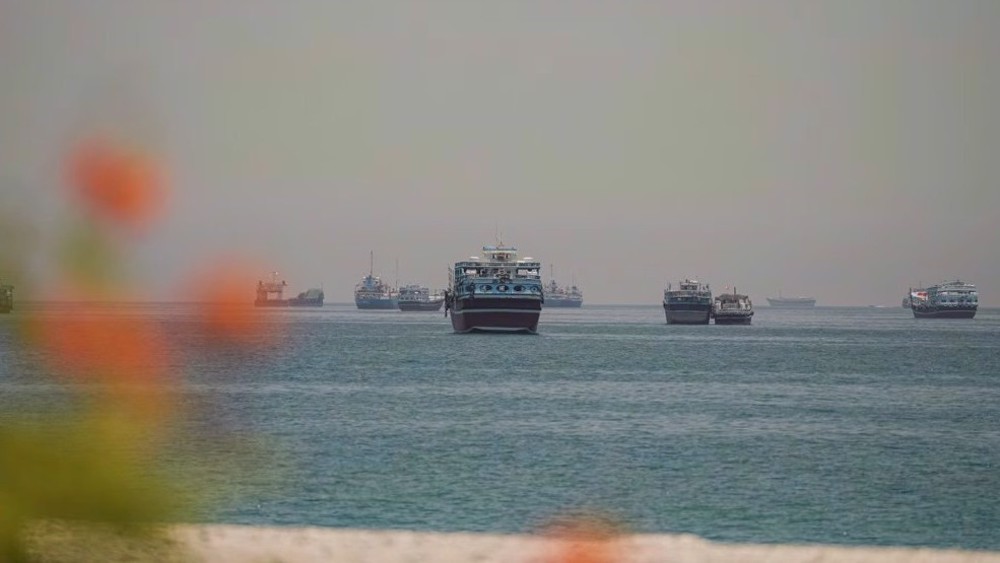
Iran says only it can demine Strait of Hormuz under MoU with US



Israel kills 8 Palestinians as Gaza death toll tops 73,000
'War crime': Iran FM vows legal action against US over torpedo attack on Dena frigate
IRGC dismantles armed separatist cell in northwest Iran
Venezuela earthquake death toll surpasses 1,700 as search efforts continue
US national pride lowest in two decades: Poll
Pentagon plans US ground troop deployment to force Hezbollah disarmament: Report
Over 90 countries declare readiness to attend funeral of martyred Leader
Mission unaccomplished – Part VII: US sought Iran's collapse but settled for reopening Hormuz Strait




 PressTV NEWSLETTER now
  This makes it easy to access the Press TV website