US-Israeli war on Iran causing biggest energy crisis in history: IEA
The Director-General of the International Energy Agency (IEA), Fatih Birol, has warned that US-Israeli aggression against Iran has caused the direst energy crisis in history.
"This is indeed the biggest crisis in history," Birol told France Inter radio in an interview broadcast on Tuesday.
"The crisis is already huge, if you combine the effects of the petrol crisis and the gas crisis with Russia," he added.
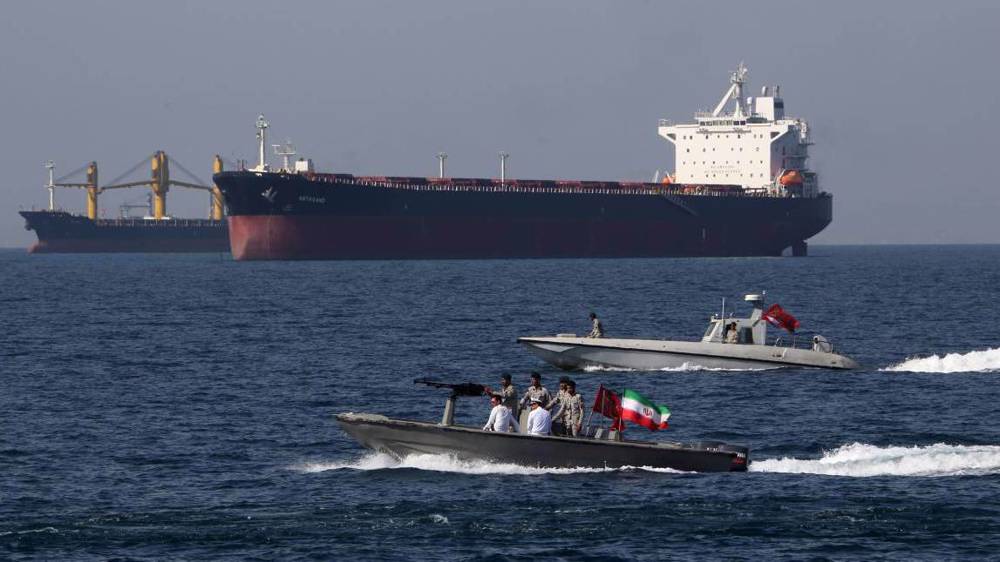
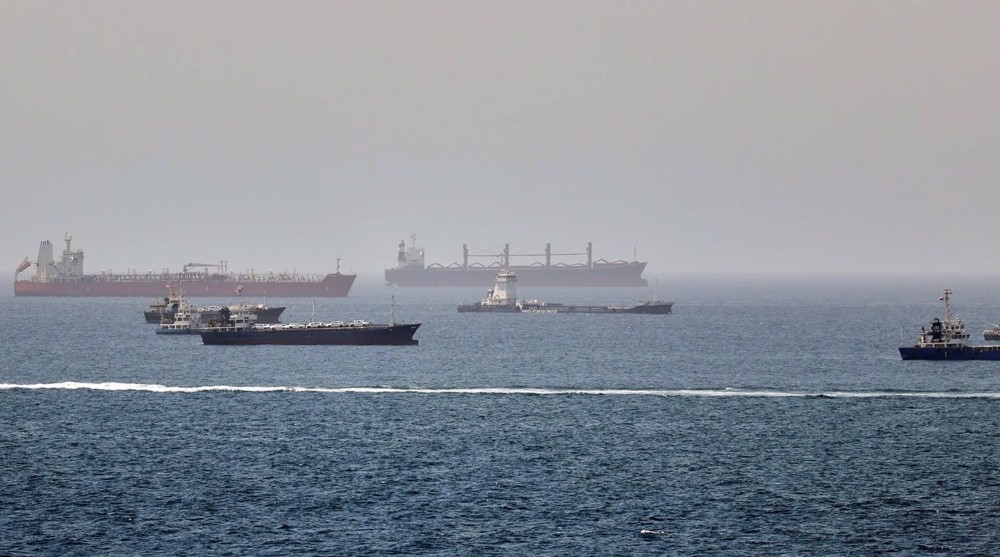
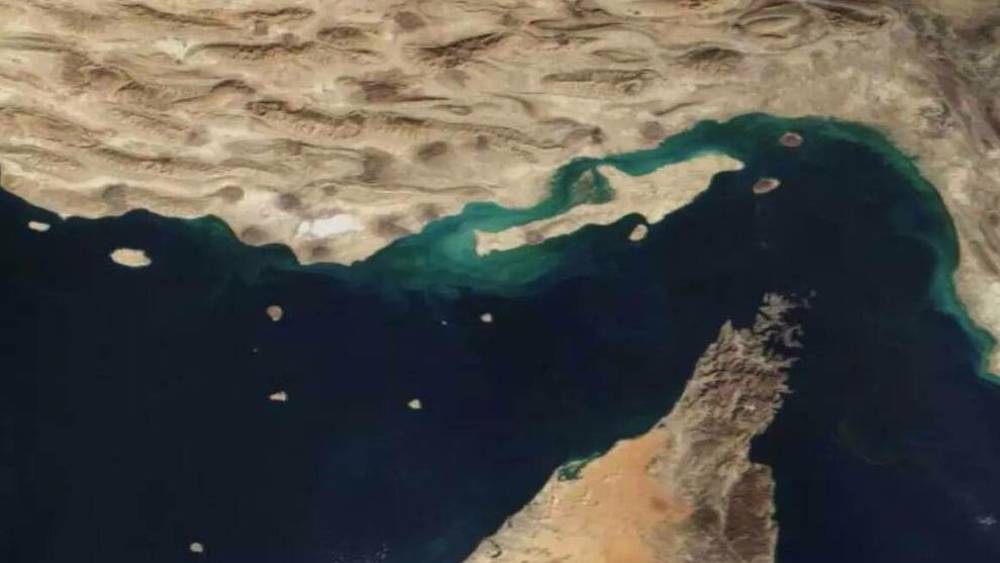
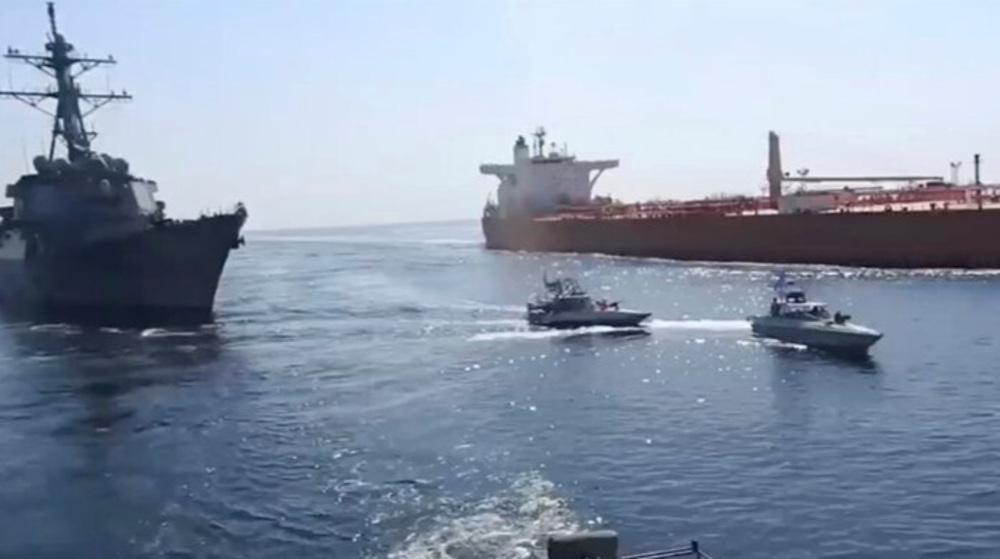
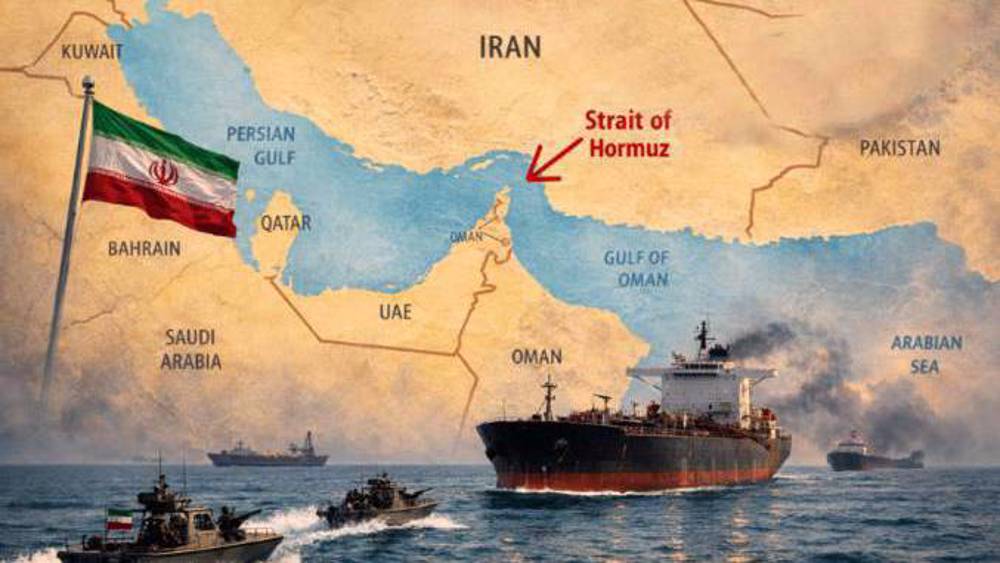
The US-Israeli aggression against Iran has halted maritime traffic in the Strait of Hormuz, which is a conduit for a fifth of global oil and liquefied natural gas flows.
It has also come in the aftermath of the Russia-Ukraine war, which had already severed Russian gas supplies to Europe.
US Energy Secretary Chris Wright says Americans may not see gas prices fall until 2027 as the war with Iran and the closure of the Strait of Hormuz continue to take a heavy toll on global energy supplies.
— Press TV 🔻 (@PressTV) April 20, 2026
Follow: https://t.co/mLGcUTSA3Q pic.twitter.com/5sRjDOlDay
Birol had said earlier this month that he viewed the current situation in global energy markets as worse than previous oil crises in 1973 (Arab-Israeli War), 1979 (the Islamic Revolution in Iran), and 2022 (Russia-Ukraine war) combined.
In March, the IEA agreed to release a record 400 million barrels of oil from strategic stockpiles to combat rising oil prices caused by the US-Israeli aggression against Iran.
The criminal US-Israeli aggression against Iran began on February 28 with airstrikes that assassinated the Leader of the Islamic Republic Ayatollah Seyyed Ali Khamenei and senior Iranian officials and commanders.
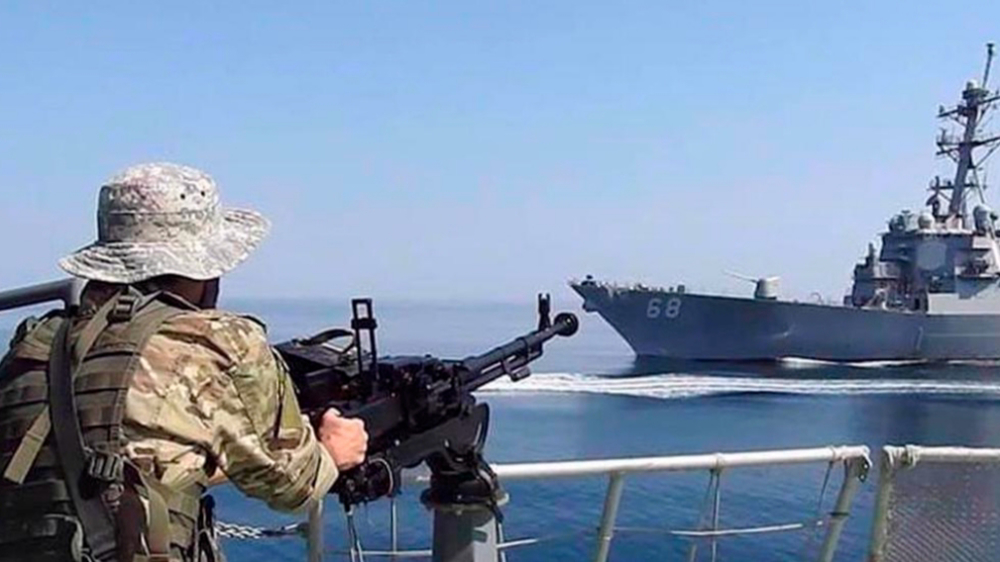
Iranian armed forces responded by launching daily missile and drone operations targeting locations in the Israeli-occupied territories as well as US military bases and assets across the region.
Furthermore, Iran retaliated against the strikes by restricting the Strait of Hormuz, which resulted in a significant increase in oil prices and its by-products.
"Iran now decides who goes into the Persian Gulf"
— Press TV 🔻 (@PressTV) April 19, 2026
Reza Vedadi says Iran uses its international right to control its waterway, the Strait of Hormuz, after years of allowing Persian Gulf oil revenues to fund foreign bases and anti-Iran media.
Follow https://t.co/B3zXG74hnU pic.twitter.com/DE5rT3qHcS
On April 8, Iran's Supreme National Security Council (SNSC) announced that there was an agreement to a Pakistan-brokered temporary ceasefire after the US accepted Iran's 10-point proposal.
Iran temporarily opened the Strait of Hormuz on Friday.
On Saturday, the Islamic Revolution Guards Corps (IRGC) Navy said Iran has again closed the Strait of Hormuz after the US chose to retain its blockade of Iranian ports, violating the terms of a two-week ceasefire that took effect on April 8.

Oman backs Iran’s plan to charge Strait of Hormuz ‘service fees’

Iran, Oman launch joint Hormuz committee to discuss strait’s future governance
Oman says Strait of Hormuz not to return to its pre-war status: Report



Martyred Leader's funeral to serve as global movement against terrorism, US-Zionist crimes: Army
2026 World Cup: Iran prepares to depart Mexico after warm welcome in Tijuana
At UN Security Council, Palestine envoy urges world to stop Israeli annexation
Two IRGC servicemen martyred in terror attack in western Iran
VIDEO | Pakistan launches fourth cross-border strikes inside Afghanistan
VIDEO | Pro-Palestinian activists in Paris rally to condemn ongoing Israeli genocide
VIDEO | Spain rejects US pressure as Trump intensifies criticism of NATO allies
VIDEO | Afghanistan-Pakistan tensions escalate after fresh airstrikes by Islamabad


 PressTV NEWSLETTER
now
PressTV NEWSLETTER
now
 This makes it easy to access the Press TV website
