Iran closed Strait of Hormuz as US maintains blockade in violation of ceasefire terms: IRGC Navy
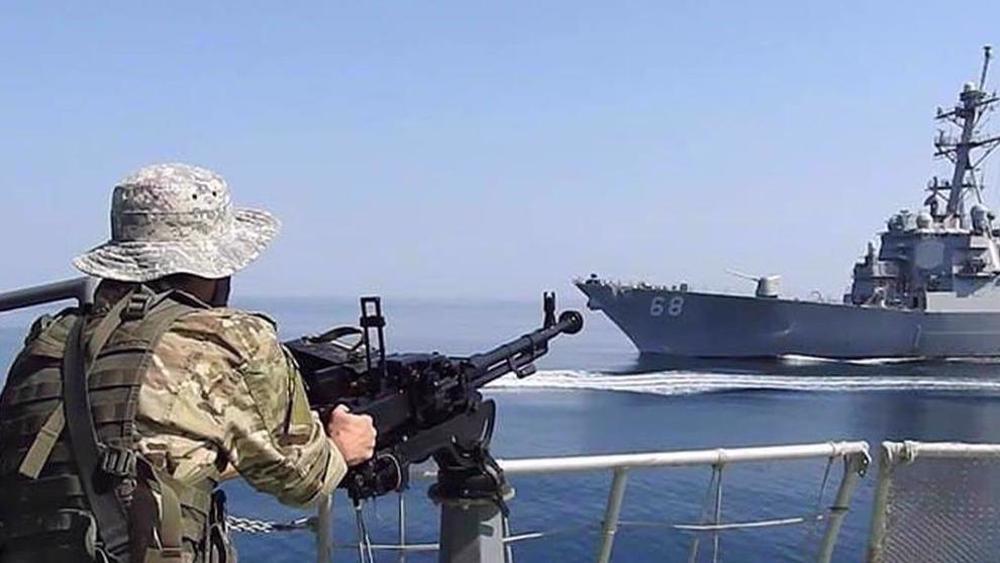
The Islamic Revolution Guards Corps (IRGC) Navy says Iran has closed the Strait of Hormuz after the United States chose to maintain its blockade of the Islamic Republic's ports in violation of the conditions of the ongoing ceasefire.
In a statement on Saturday, the IRGC Navy noted that the Islamic Republic had decided to allow non-military vessels to transit through the strategic waterway along a specific corridor designated by Tehran after the ceasefire was announced.
"However, due to the violation of the ceasefire conditions, and as the American adversary has not lifted the naval blockade on Iranian vessels and ports, the Strait of Hormuz has been closed as of this evening until this blockade is removed," the Corps said.
Accordingly, the IRGC warned that no vessel should make any movement from its anchorage in the Persian Gulf or the Sea of Oman to approach the strait, the statement added.
Such movement, it added, would be considered "cooperation with the enemy, and the violating vessel will be targeted."
The statement, meanwhile, asserted that the IRGC's Navy remains the only official authority as far as the affairs governing the waterway were concerned.
"Statements made by the terrorist US president regarding the Strait of Hormuz and the Persian Gulf have no validity," it stated.
Iran to control Strait of Hormuz traffic until deal is reached to end war: Top security bodyhttps://t.co/QwNPkeZfrX pic.twitter.com/dW7mlyQLNG
— Press TV 🔻 (@PressTV) April 18, 2026
Earlier on Saturday, the Supreme National Security Council (SNSC) said the Islamic Republic will maintain control of all traffic through the strategic Strait of Hormuz until a negotiated end to the US-Israeli-imposed war is achieved.
Noting that most US military logistics in the Persian Gulf pass through the Strait of Hormuz, which Iran considers a threat to its national security and regional stability, the SNSC said Iran will continue to maintain oversight and control of all traffic through the waterway until the war permanently comes to an end.
Iran shut down the strategic waterway to vessels belonging to the US and its allies following the launch of an unprovoked war of aggression against the Islamic Republic on February 28.
On April 7, after nearly 40 days, US President Donald Trump announced a two-week ceasefire after accepting Iran's ten-point proposal to permanently end the war.
He nonetheless authorized the continuation of a naval blockade he had ordered against the Islamic Republic, in addition to making numerous controversial statements regarding the waterway—all of which have been categorically refuted by Iranian authorities.
During the marathon talks in Islamabad, the issue of the closure of the Strait of Hormuz dominated discussions, according to sources, with Iran making it emphatically clear that the waterway will be opened fully once all its conditions to end the war are accepted.
Iran's Islamic Revolution Guards Corps (IRGC) Navy issues a statement following claims made by US President Trump.
— Press TV 🔻 (@PressTV) April 18, 2026
🔹 Iran's IRGC Navy says that statements made by the US President have no credibility. pic.twitter.com/RemSWacggn
On Friday, hours after a ceasefire came into effect in Lebanon, which was one of the conditions put forward by Iran, the country's authorities ordered the opening of the waterway to commercial vessels, albeit in strict coordination with the IRGC Navy.
Early on Saturday, the spokesperson for the Khatam al-Anbiya Central Headquarters said Iran has reasserted control over the Strait of Hormuz due to the US military's so-called naval blockade of the waterway and its acts of “piracy.”
Lieutenant-Colonel Ebrahim Zolfaghari said in line with previous agreements and with good faith during negotiations, Iran had agreed to a managed passage of a limited number of oil tankers and commercial ships through the Strait of Hormuz.
However, the Americans, with their track record of repeated breaches of faith, continue to engage in banditry and piracy under the guise of a so-called blockade.
"For this reason, control of the Strait of Hormuz has returned to its previous state, and this strategic strait is under the intense management and control of the armed forces," the spokesperson stated.
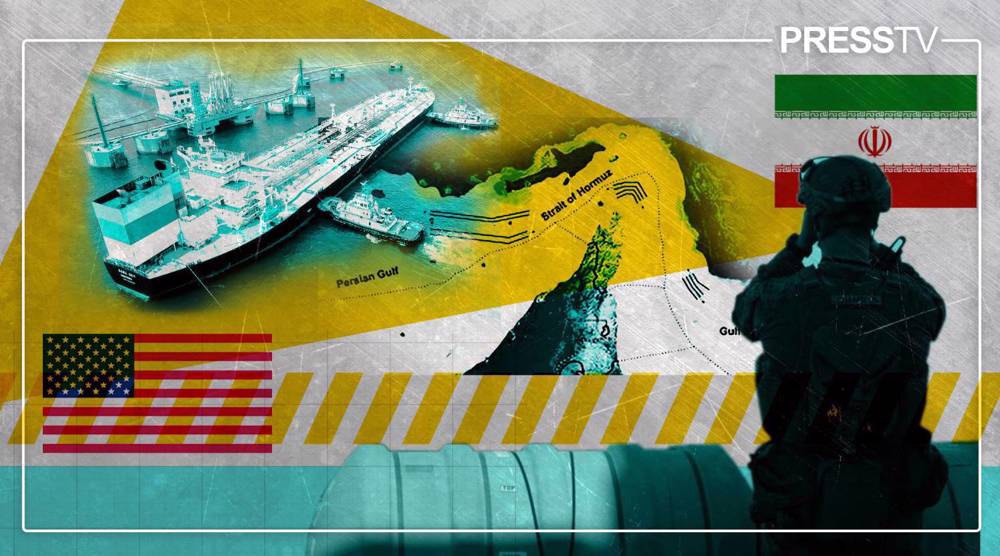
June 2: IRGC Navy strikes US-Israeli cargo ship after US attack, reaffirms full military readiness
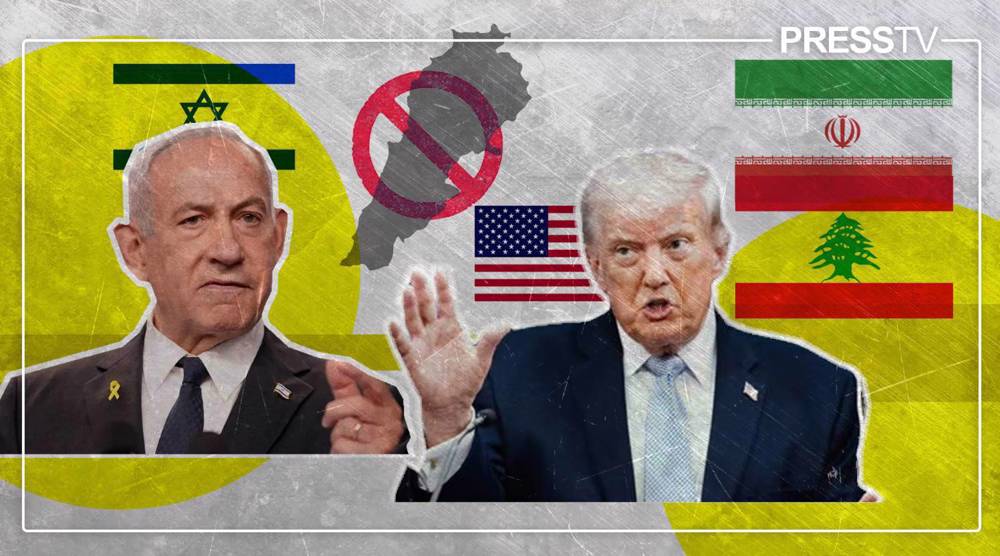
Beirut retreat: Credible Iranian deterrence ends US-Israeli impunity to escalate unchecked
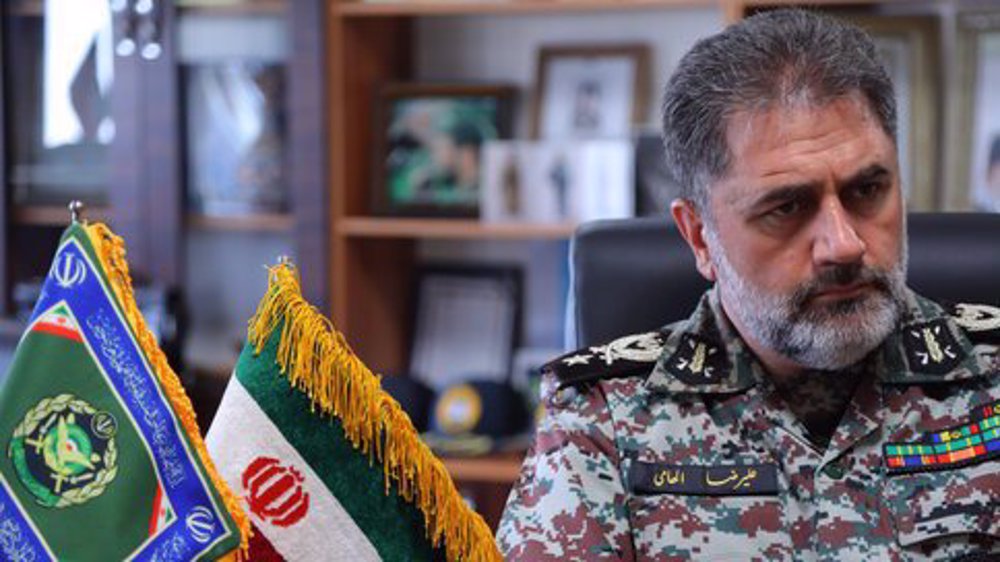
US, Israel suffered heavy losses from Iranian air defenses during aggression: Commander



Iran Navy targets 'command center' aboard US destroyer in retaliation for aggression
Era of threatening Iran without costs has ended: Qalibaf
IRGC announces major seizure of sabotage equipment
Iran's Bushehr nuclear plant hits record 80 billion kWh in electricity output
Cessation of war in Lebanon central to any agreement with US: Senior Iranian MP
Iranian strikes on US bases in Persian Gulf ‘legitimate self-defense’: Araghchi
Israel kills 119 Palestinians in Gaza in deadliest month of 2026
End of 'tit-for-tat' era: Iran’s broad, asymmetric response to US attacks shifts deterrence equation



 PressTV NEWSLETTER now
  This makes it easy to access the Press TV website