Spain slams Israel for applying Gaza genocidal strategy in Lebanon
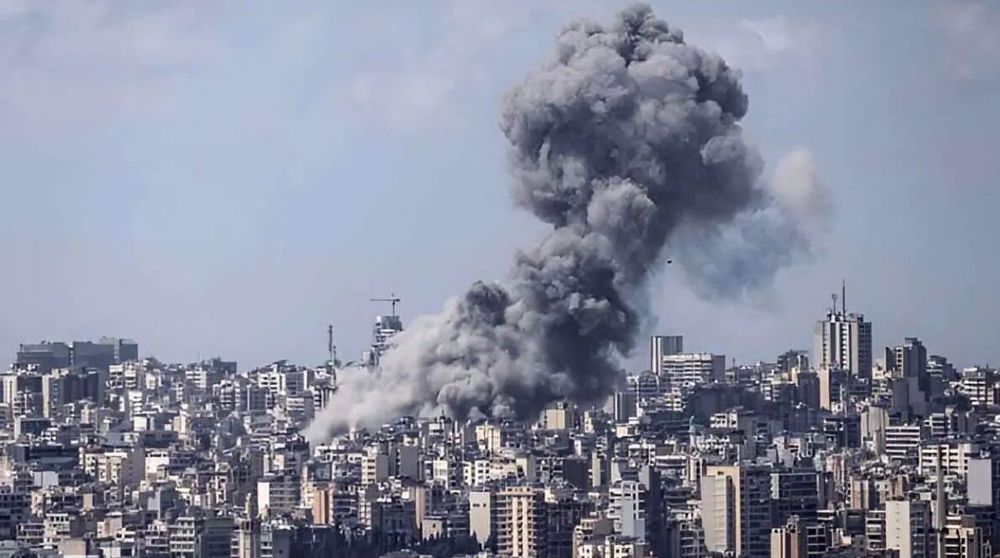
Spain’s foreign minister has slammed Israel for applying the same genocidal strategy in southern Lebanon that it previously used in Gaza, stressing that the regime cannot maintain normal relations with the European Union (EU) while ongoing human rights violations continue.
In an interview with public broadcaster RTVE on Monday, José Manuel Albares said the situation in Lebanon reflects a clear pattern: “preventing normal life for Lebanese citizens, the destruction of civilian infrastructure, the blatant violation of international law, orders for the forced displacement of the population so they cannot return,” as well as attacks on the UN force in the country.
He emphasized that all of this points to Israel seeking to occupy parts of a sovereign state.
“This would be very serious for the stability of the Middle East (West Asia) and for Israel’s own security,” Albares warned, adding that Israel “is leading the Middle East (West Asia) towards a perpetual war.”
He also reiterated Spain’s push for the EU to suspend its Association Agreement with Israel—a position he planned to argue at the bloc’s foreign ministers’ meeting on Tuesday.
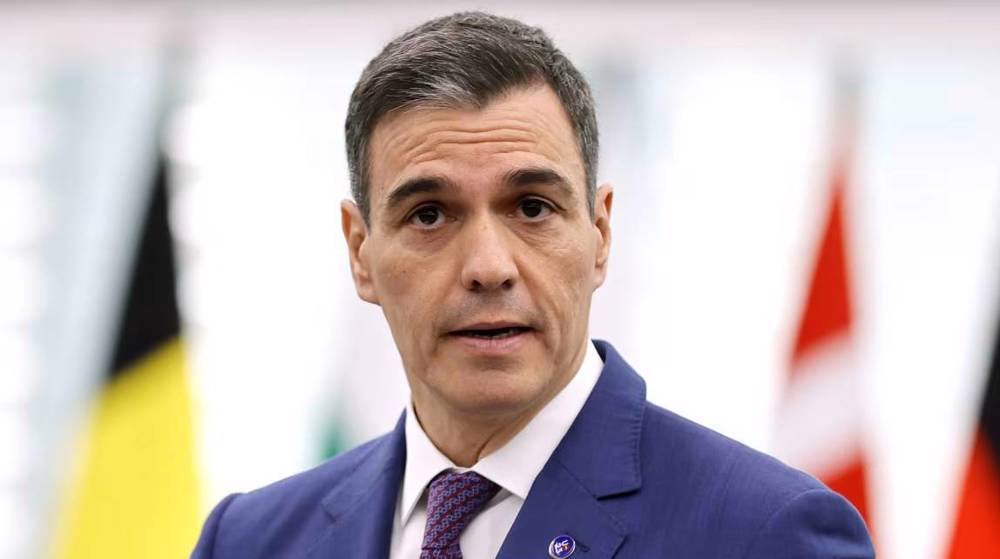
“Israel has to understand that it cannot have a normal relationship when human rights are being flagrantly violated,” he said.
The EU-Israel Association Agreement, signed in June 2000, includes a human rights clause requiring both parties to respect fundamental rights and democratic principles. A review of the agreement has found clear indications that Israel is failing to comply with these obligations.
Spain and Ireland first demanded a review of the accord in 2024, during Israel’s genocidal war on the besieged Gaza Strip.
No embroilment in Hormuz
Elsewhere in his remarks, Albares emphasized that Spain will not participate in any “military operation” in the Strait of Hormuz, warning of rising tensions between Iran and the United States.
“We are not going to take part in any military operation in the strait,” he said, noting that Spain favors diplomatic solutions.
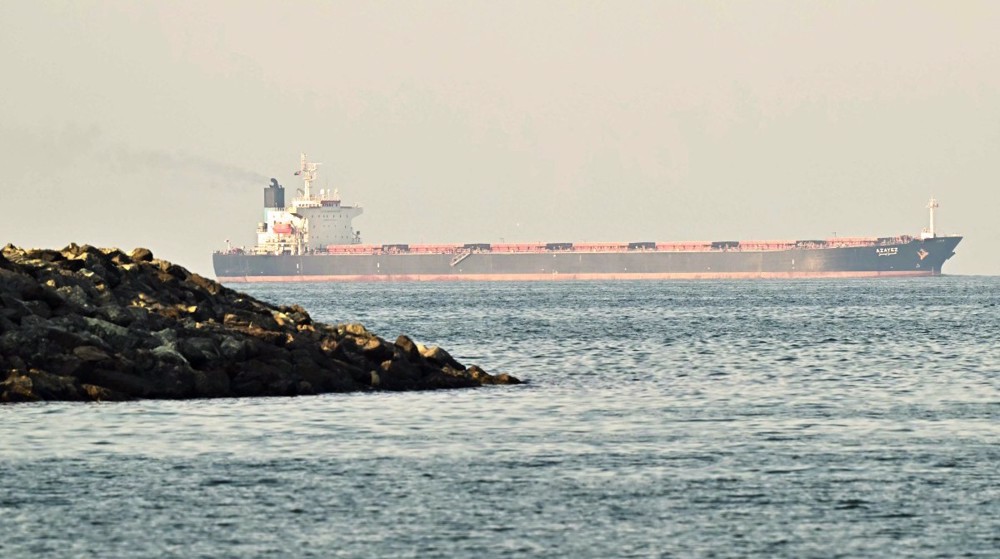
On Friday, Iran declared Strait of Hormuz open to commercial shipping, weeks after it was shut down to vessels associated with the US, Israel, and their allies, a shutdown that followed the launch of an unprovoked war of aggression against the Islamic Republic on February 28.
However, the Islamic Revolution Guards Corps (IRGC) Navy said in a statement on Saturday that Iran has again closed the Strait of Hormuz after the United States chose to retain its blockade of Iranian ports, violating the terms of a two-week ceasefire announced by US President Donald Trump after 40 days of fighting.
During the US-Israeli aggression against Iran, Spain said it had closed its airspace to US planes involved in airstrikes on Iran, a move that angered Trump.
Israel's largest refineries face years of repair after Iran airstrikes: Report
Israel arrests Tajik-Russian citizen over alleged links to Iran
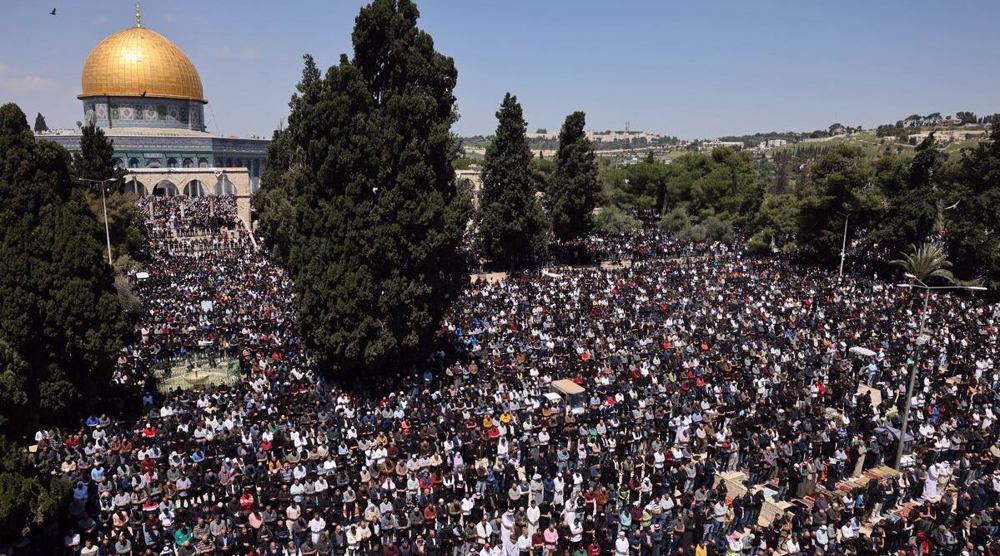
Hamas censures Israeli ban on Muslim prayer call as 'dangerous escalation'



Iran stands more united by virtue of martyred Leader’s blood: President Pezeshkian
Top commander says martyred Leader’s defense strategy delivered battlefield victory
Iranian officials, world leaders, high-ranking delegations pay tribute to martyred Leader in Tehran
In Iran, at the funeral of martyred Leader of the Islamic Revolution, I see nothing but beauty
VIDEO | Press TV's news headlines
VIDEO | Pakistan hosts dialogue on Iran's deterrence strategy amid evolving regional security
Iraq's leaders flock to Tehran for funeral as Iran hails solidarity
Enemies will 'take to their graves' dream of Iran’s surrender: IRGC deputy commander


 PressTV NEWSLETTER
now
PressTV NEWSLETTER
now
 This makes it easy to access the Press TV website
