'New order' in Strait of Hormuz: IRGC Navy mandates authorization for all vessels
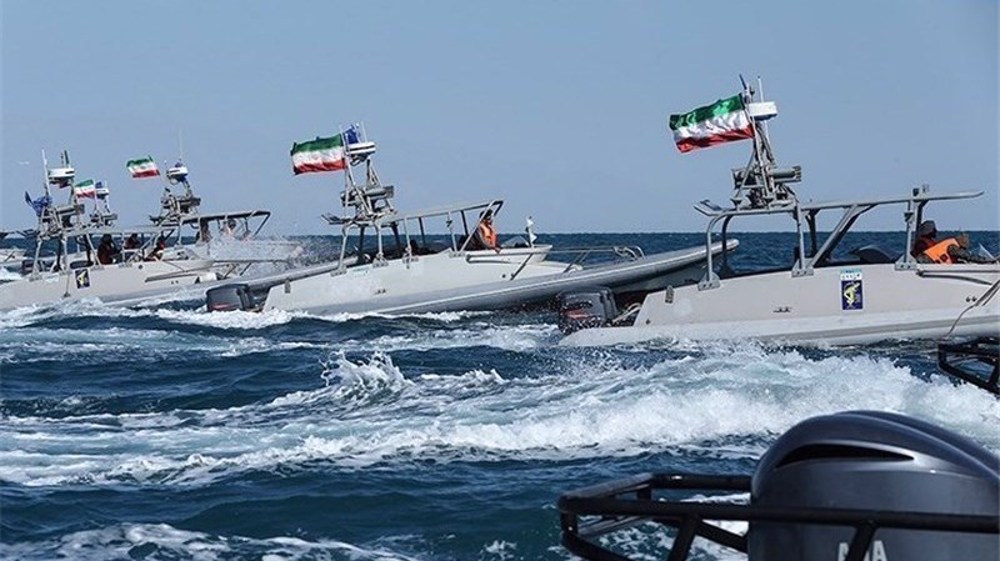
The Islamic Revolution Guards Corps (IRGC) Navy says a "new order" is now in place over the strategic Strait of Hormuz, outlining strict new regulations for all maritime traffic.
In a statement released on Friday, the IRGC Navy commander announced that all commercial vessels will only be permitted to transit through routes designated by Iran.
The announcement also reaffirmed that military vessel transit through the strategic chokepoint firmly under Iranian control remains strictly prohibited.
According to the IRGC Navy, all transits, commercial or otherwise, will only be allowed with the explicit authorization of the IRGC's naval forces.
The statement further stated that these transits are being conducted in accordance with the agreement established under the ongoing Iran-US ceasefire and following the implementation of the ceasefire in Lebanon late on Thursday.
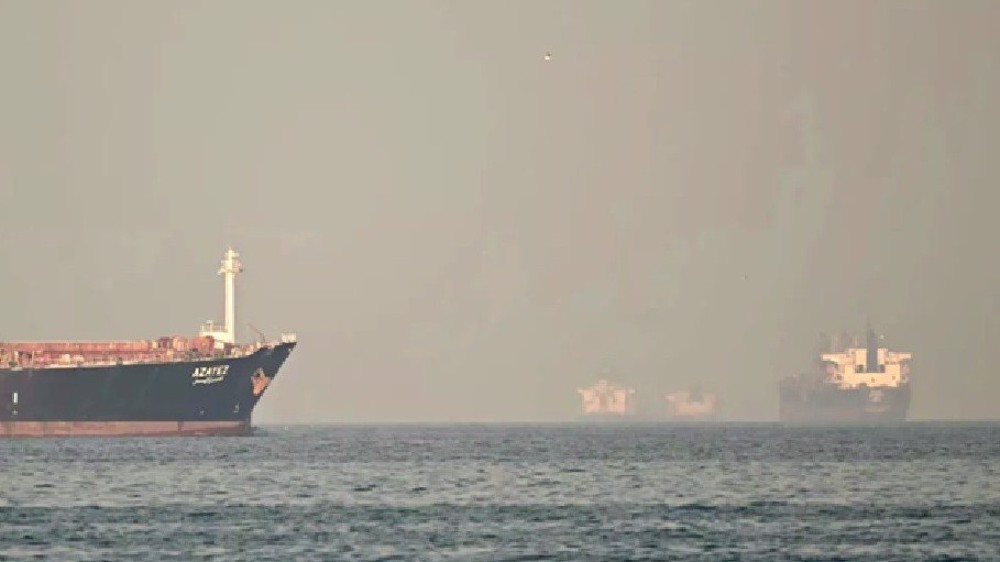
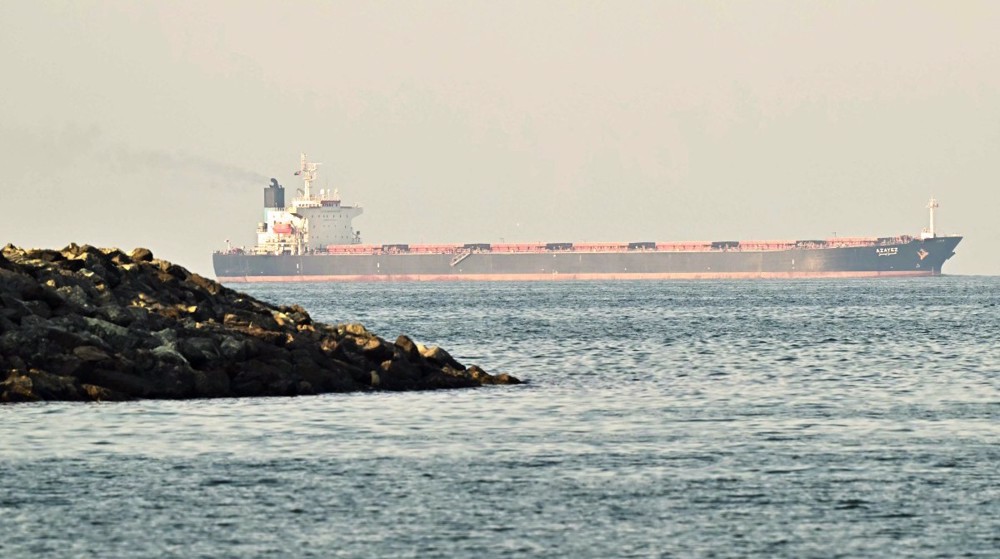
The new measures signal Iran's firm grip over the waterway, through which approximately one-fifth of the world's oil passes, after the 40-day war of aggression against the Islamic Republic of Iran by the American-Israeli coalition.
Iran's Islamic Revolution Guards Corps (IRGC) Navy issues the four conditions for crossing the Strait of Hormuz:
— Press TV 🔻 (@PressTV) April 17, 2026
1. Civilian vessels are permitted to transit solely through Iran's designated route. pic.twitter.com/bPDOCl7mb1
Earlier on Friday, following the implementation of a ceasefire in Lebanon, Iran’s Foreign Minister Abbas Araghchi announced the reopening of the strategic Strait of Hormuz to commercial vessels.
"In line with the ceasefire in Lebanon, the passage for all commercial vessels through Strait of Hormuz is declared completely open for the remaining period of ceasefire, on the coordinated route as already announced by Ports and Maritime Organisation of the Islamic Rep. of Iran," Araghchi wrote on his X handle.
It was followed by foreign ministry spokesperson Esmaeil Baghaei’s remarks, explaining that the foreign minister’s tweet was within the framework of the April 8 ceasefire agreement.
The passage of ships through the Strait of Hormuz, he stressed, will take place along the route designated by Iran and in coordination with Iran's competent authorities.
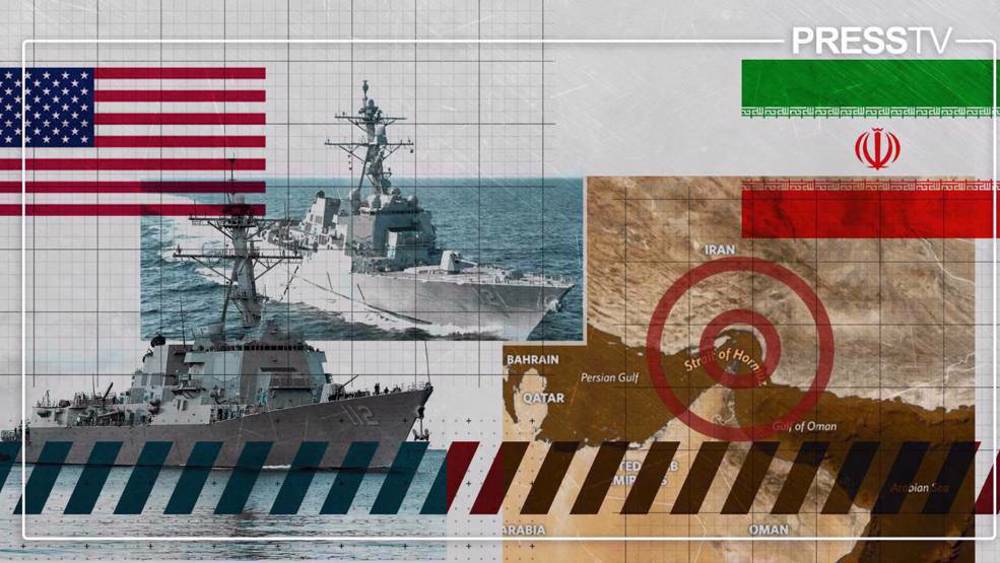
The Strait of Hormuz, a strategic waterway nestled between the Persian Gulf and the Gulf of Oman, is a strategically vital waterway that forms the pulse of the global energy economy and, simultaneously, a potent asset for the Islamic Republic to fundamentally reshape the balance of power in the Persian Gulf and around the world.
WATCH: Simulated video of Press TV investigation exposing the failure of US destroyers' Strait of Hormuz transit stunt, in which they came close to destruction.https://t.co/zVeCCKGbwg https://t.co/moCyVQGE0Z pic.twitter.com/1JN5MCPdCX
— Press TV 🔻 (@PressTV) April 14, 2026
According to experts, Iran is uniquely positioned to exert absolute control over the northern and most critical part of the strait, with its coastline stretching more than 1,600 kilometers along the Persian Gulf and the Sea of Oman.
The strategic waterway has been in the news since February 28, when the US-Israeli alliance launched an unprovoked aggression against the Islamic Republic, prompting strong retaliation from Iranian armed forces, including the closure of the critical chokepoint to US and allied vessels.
Iran's Navy Commander Rear Admiral Shahram Irani, in a TV interview, also dismissed US President Donald Trump's rhetoric of naval blockade, saying no one listens to him.
Trump, he said, has imposed a "naval blockade" on his friends, not on the Islamic Republic of Iran, calling it "banditry and piracy."
"To this day, we have not allowed US and Israeli aircraft carrier strike groups and marines to enter the Sea of Oman," Rear Admiral Irani stated.
Mission unaccomplished – Part VI: US sought Iran’s surrender but got a new regional superpower
Contrary to enemy propaganda, Iran’s defense sector continues to make progress: Top general
Iran marks 39th anniversary of Sardasht chemical massacre, demands accountability from Western enabl



Trump criticized Spain for not meeting NATO spending targets
Arab League, Arab Parliament condemn repeated Israeli attacks on Syria
Management of Strait of Hormuz solely Iran’s responsibility: Senior MP
Martyred Leader's funeral to serve as global movement against terrorism, US-Zionist crimes: Army
2026 World Cup: Iran prepares to depart Mexico after 24-day stay in Tijuana
At UN Security Council, Palestine envoy urges world to stop Israeli annexation
Two IRGC servicemen martyred in terror attack in western Iran
VIDEO | Pakistan launches fourth cross-border strikes inside Afghanistan


 PressTV NEWSLETTER
now
PressTV NEWSLETTER
now
 This makes it easy to access the Press TV website
