Iran warns about 'dangerous consequences' of US actions targeting Persian Gulf, Hormuz Strait
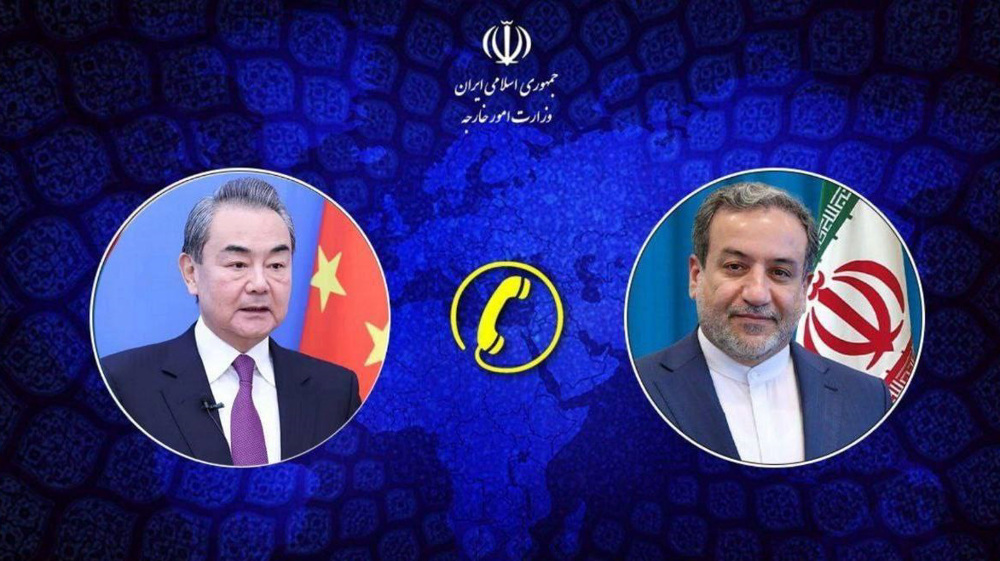
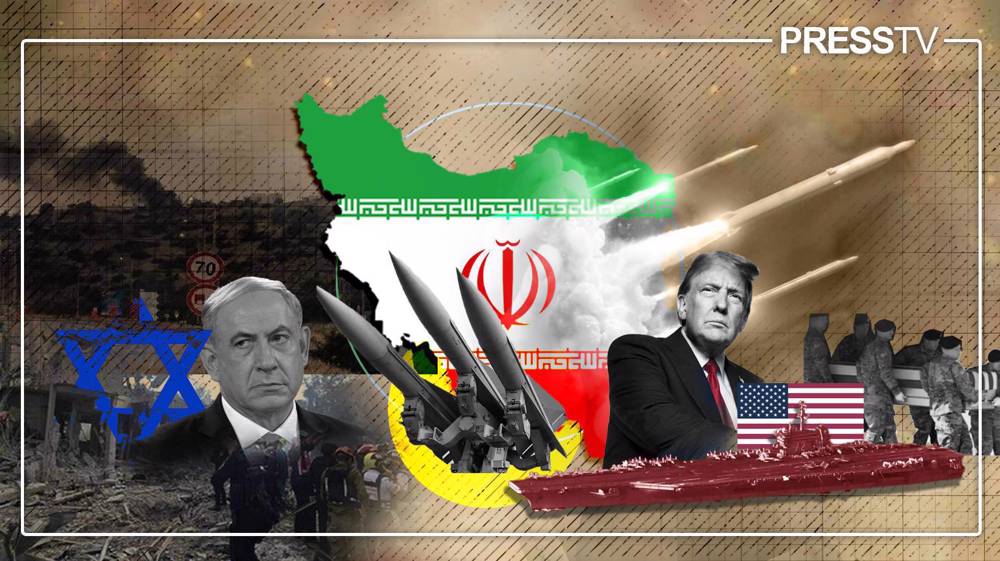
Foreign Minister Abbas Araghchi has warned about the "dangerous consequences" of provocative US positions and actions targeting the Persian Gulf and the strategic Strait of Hormuz.
The top diplomat made the remarks in a telephone conversation with his Chinese counterpart Wang Yi on Wednesday.
The former cautioned that the actions would further complicate the situation in the region, referring to the United States' efforts at imposing, what Washington calls, a "naval blockade" on the Islamic Republic by trying to adversely affect shipping to and from the strait.
Iran's top general warns US over illegal naval blockade in Persian Gulfhttps://t.co/K3VEF1KEDn
— Press TV 🔻 (@PressTV) April 15, 2026
Speaking to the Chinese official, Araghchi, meanwhile, outlined the latest regional developments following the announcement of a two-weak lull in attacks against the Islamic Republic by Washington.
Announcing the decision, US President Donald Trump said a 10-point proposal forwarded by the Islamic Republic served as "a workable basis on which to negotiate."
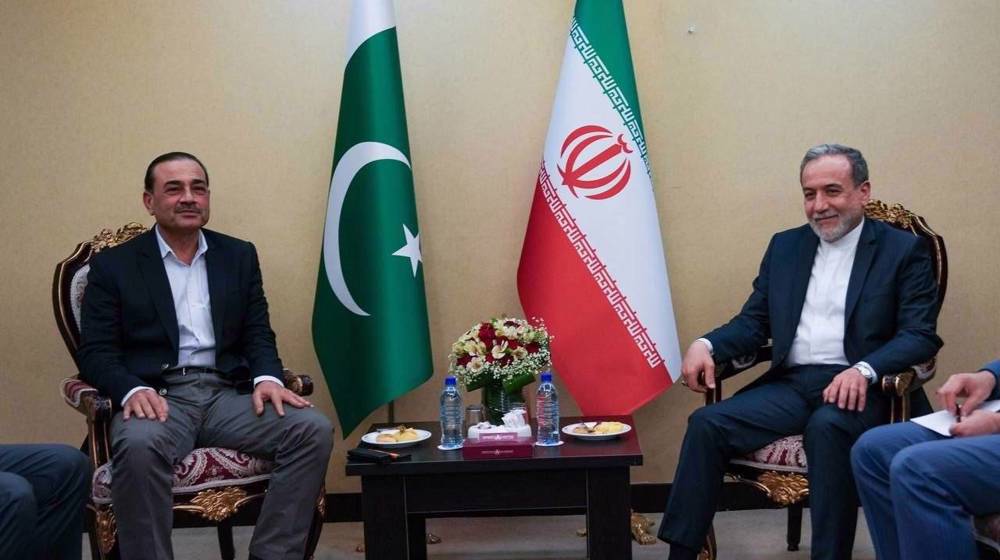
However, following ceasefire talks held in the Pakistani capital Islamabad afterwards, Tehran lamented that Washington's "excessive demands" had prevented the negotiations from succeeding.
April 14: Fragile ceasefire holds as US threat of 'naval blockade' in Strait of Hormuz failshttps://t.co/dDanbBOScM
— Press TV 🔻 (@PressTV) April 15, 2026
Iranian officials have underlined that realization of a conclusive cessation of all instances of aggression against the country serves as an indivisible part of the Islamic Republic's demands.
Elsewhere in his remarks, Araghchi expressed appreciation for the responsible decision made by China and Russia to oppose an "unreasonable" and one-sided draft resolution at the United Nations Security Council earlier this month regarding regional developments.
On April 7, Beijing and Moscow vetoed a Security Council resolution aimed at forcing Iran to reopen the Strait of Hormuz that it shut down to enemies and their allies following the launch of the US's and the Israeli regime's latest bout of unprovoked aggression targeting the Islamic Republic.
The Iranian foreign minister described Beijing's and Moscow's opposition to the draft resolution as effective in preventing further escalation of existing tensions.
For his part, the Chinese foreign minister praised the resilience and self-reliance exhibited by the Iranian nation throughout the aggression.
Wang also emphasized Beijing’s readiness to help advance diplomacy and bring an end to the situation arising from foreign aggression against the Islamic Republic.
Trump betraying diplomacy for third time, ex-IRGC chief warns
UAE joined US-Israeli aggression against Iran from outset: Report
Pezeshkian: Iran ready for ‘dignified framework’ to end war in region



US military kills 3 more people aboard vessel in eastern Pacific Ocean
Doctors in Semnan province perform rare bile duct procedures using innovative techniques
VIDEO | US will attack Iran again; that’s what Israel wants
Hegseth warns of China’s growing power, urges US allies in Asia to increase military spending
Israeli minister urges Netanyahu to ‘level Beirut suburbs to the ground’
IRGC shoots down intruding US MQ-1 Predator drone over Persian Gulf
VIDEO | Israeli regime’s Gaza genocide is now being copied and pasted in Lebanon
VIDEO | Pakistan rejects Trump’s Israel recognition push, reaffirms Palestine stance



 PressTV NEWSLETTER
now
PressTV NEWSLETTER
now
 This makes it easy to access the Press TV website
