UAE VP calls Iran’s Parliament speaker to discuss regional de-escalation
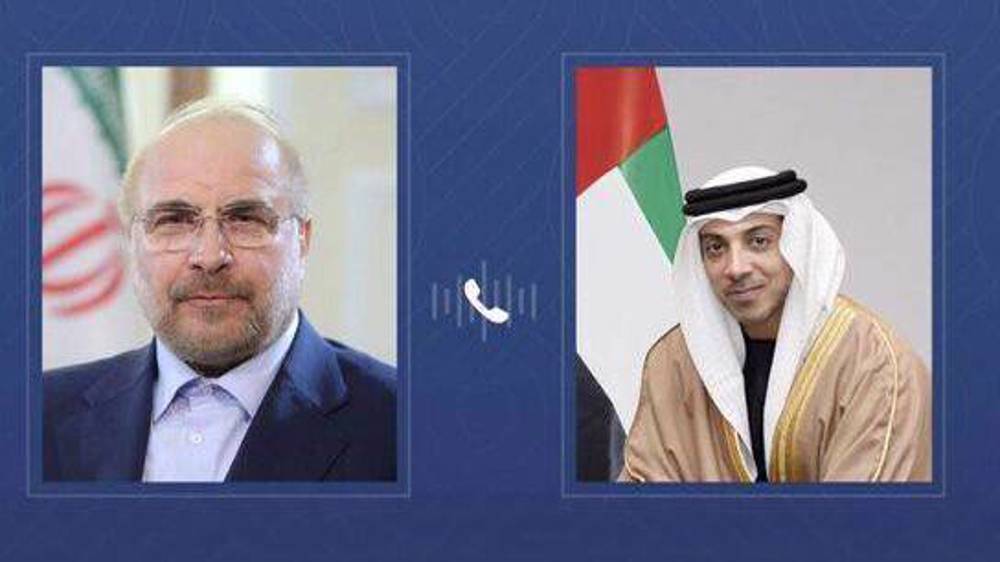
Senior Iranian and Emirati officials have exchanged viewpoints about ways to de-escalate tensions in West Asia, the first high-status negotiations between the two Persian Gulf states since the illegal, imposed US-Israeli war on Iran in late February.
On Wednesday, the United Arab Emirates (UAE) Vice President and Deputy Prime Minister Sheikh Mansour bin Zayed Al Nahyan held a phone call with Mohammad Baqer Qalibaf, Speaker of the Parliament of the Islamic Republic of Iran, according to a statement released by the official Emirati WAM news agency.
The two sides "discussed regional developments and ways to de-escalate tensions in the region."
Abu Dhabi has adopted a hawkish approach towards Tehran since February 28, recalling its ambassador and shuttering down its diplomatic mission after Iranian Armed Forces carried out waves of retaliatory missile and drone operations against US interests across the region and Israeli targets in the occupied territories.
The UAE was a key ally of the US and Israeli aggressors in the Persian Gulf region, providing them with access to its bases and soil for attacks on the Islamic Republic.
Iranian armed forces struck US bases in the Persian Gulf state. Some industrial sites, linked to the US, were also hit after key Iranian infrastructure was attacked.
The United States and Israel initiated the illegal war on February 28, following the assassination of Leader of the Islamic Revolution Ayatollah Seyed Ali Khamenei and several high-ranking military commanders.
In response, Iranian armed forces executed 100 waves of decisive strikes over 40 days, targeting US and Israeli military assets which resulted in significant damage.
A two-week ceasefire was brokered on April 8, allowing for negotiations in Islamabad, where Iran proposed a ten-point plan seeking the withdrawal of US troops and the lifting of sanctions.
Despite 21 hours of intensive talks, the Iranian delegation returned to Tehran without an agreement. There was a lack of trust in US commitments.
Donald Trump, the president of the United States, recently announced a naval blockade of the Strait of Hormuz, aimed at intercepting vessels that had paid tolls to Iran. The US military confirmed that the blockade began at 1400 GMT on April 13.
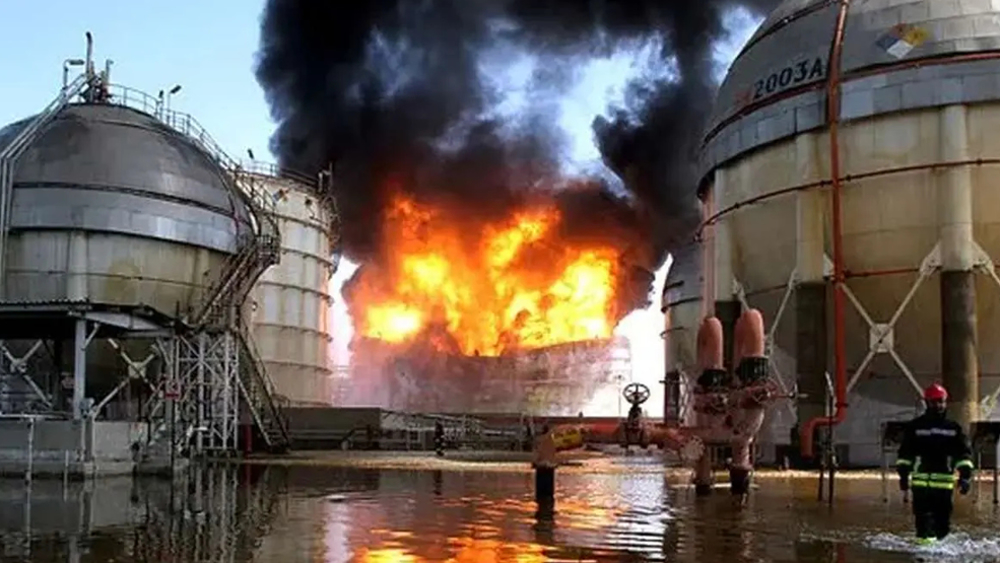
UAE joined US-Israeli aggression against Iran from outset: Report
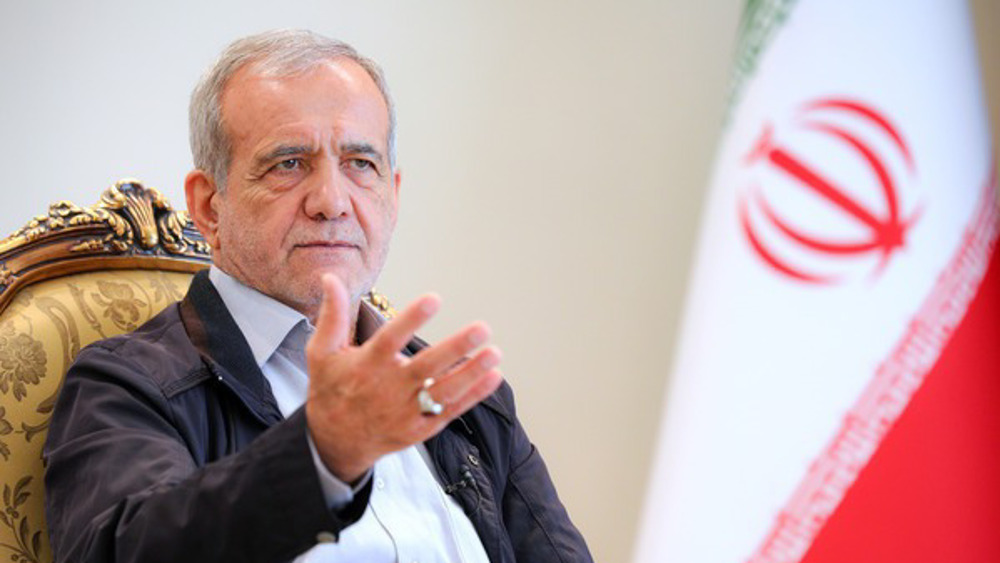
Pezeshkian: Iran ready for ‘dignified framework’ to end war in region

Iran's Strait of Hormuz authority says sanctions won't help US gain waterway's control


Iran Army, Foreign Ministry stress battlefield-diplomacy synergy in safeguarding national interests
As US-Canada ties sour under Trump, more Americans consider moving to Canada: Report
Iran to respond more forcefully to any fresh enemy aggression: Senior Army commander
‘Ceasefire is a joke’: Israeli troops recount killings in Gaza based on ‘a hunch’
Lebanese PM warns of ‘dangerous’ Israeli escalation as fighting intensifies in south
Israeli strike kills head of anaesthesia department at Gaza hospital
Iran says IRGC Navy to control all Strait of Hormuz traffic ‘with full authority’
Iran’s Defense Ministry to establish drone support center: Spokesman


 PressTV NEWSLETTER now
  This makes it easy to access the Press TV website