US-Israeli aggression on Iran to have 'cascading impact' on world economy, World Bank chief warns
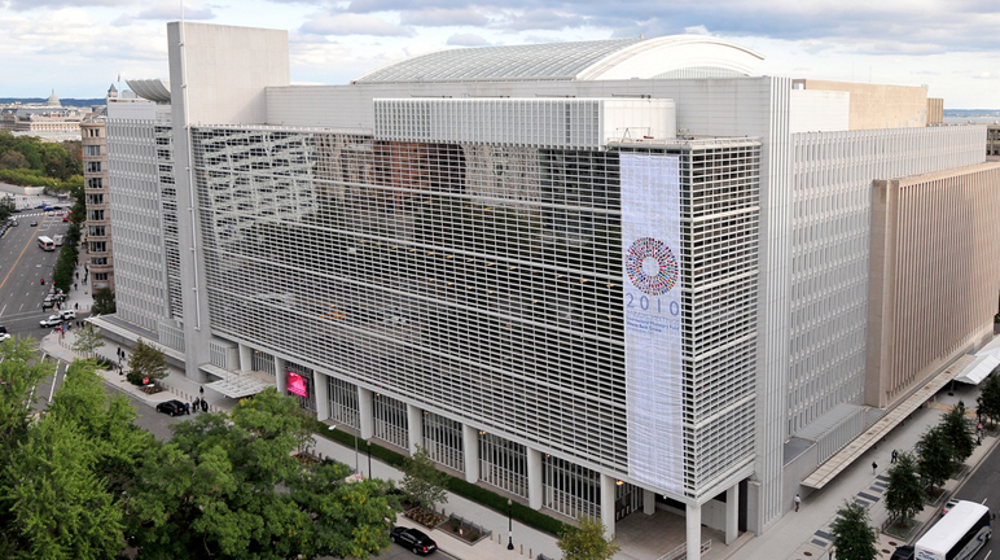
The President of the World Bank, Ajay Banga, has warned that the US-Israeli aggression against Iran will have a cascading impact on the global economy, even if a ceasefire between Washington and Tehran takes hold.
In an interview on Friday, Banga emphasized the ramifications would be far deeper if the ceasefire negotiations fail and the conflict escalates.
Banga on Tuesday said global growth could be lowered by 0.3 to 0.4 percentage points in a baseline scenario, with an early end to the war, and by as much as 1 percentage point if it endures.
Inflation could increase by 200 to 300 basis points, with a much higher impact of up to 0.9 percentage points, if the war continues, he said.
The World Bank's baseline estimates now project growth in emerging markets and developing economies of 3.65% in 2026, compared to 4% in October, dropping as low as 2.6% in an adverse scenario with a longer-lasting war.
Inflation in those countries was now forecast to hit 4.9% in 2026, up from the previous estimate of 3%, while the extreme scenario could see inflation rising as high as 6.7%, according to estimates
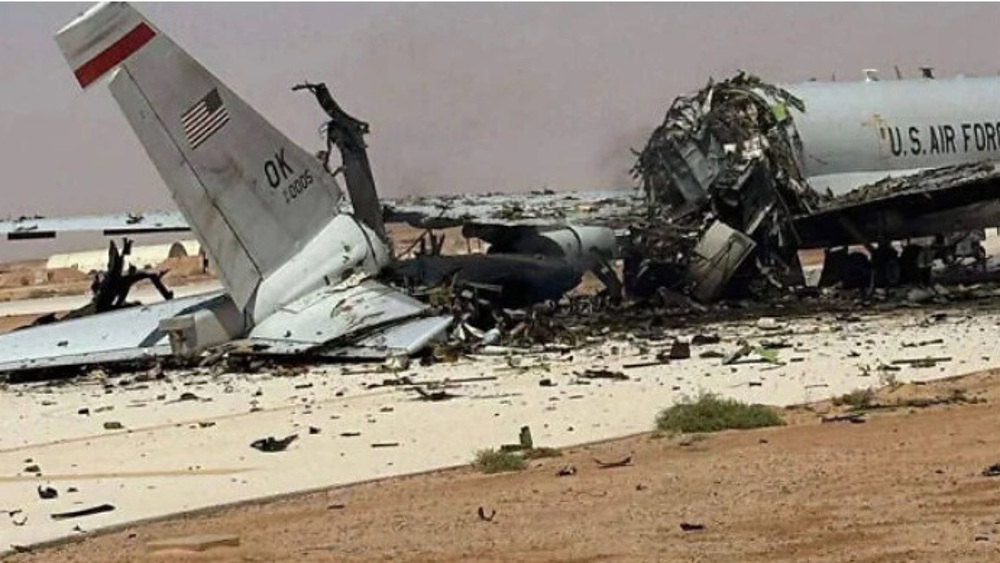
The US-Israeli aggression against Iran has sent the price of oil up by 50% while disrupting supplies of oil, gas, fertilizer, helium and other goods, as well as tourism and air travel.
"The question really is, does this current peace and the negotiations that are going to be happening this weekend, will this lead to a lasting peace and then a reopening of the Strait of Hormuz?" said Banga.
"If it does not lead to that, and if conflict were to break out again, would that have an even larger impact, or longer-term impact on energy infrastructure?" he added.
Banga said the world's largest development bank was already in discussions with several developing countries, including small island states with no natural energy resources, about tapping funds from existing programs under "crisis response windows."
✍🏻 Fragile ceasefire in effect but maximalist US demands cast shadow over talks in Islamabad https://t.co/ulvJNxEQSy
— Press TV 🔻 (@PressTV) April 12, 2026
The World Bank's crisis toolkit allows countries to tap previously approved but not yet disbursed funds without additional board approvals, increasing flexibility.
But Banga said the bank was cautioning countries to avoid setting up energy subsidies that they could not afford, which would trigger even bigger problems in the future.
"I worry about making sure that they can come through this crisis, targeting what they need to do, but not doing anything that further deteriorates that fiscal space," he said.
Many developing countries also have high debt levels and interest rates remain high, which constrains their ability to borrow money to fund measures to respond to the jump in energy costs and other goods caused by the war.
The crisis has put a fresh spotlight on the need for countries to diversify energy supplies and boost self-sufficiency, Banga said.
The World Bank last June ended a longstanding ban on funding nuclear energy projects as part of a push to meet rising electricity needs.
The World Bank had many energy products in the pipeline, Banga said, noting that negotiations were under way with a number of countries looking to extend the life of their fleets of nuclear reactors, and others keen to move into nuclear power.
"If you do not get nuclear and hydro and geothermal going at scale, along with wind and solar, they will end up doing more with traditional fuels, and nobody really wants that," he said.
The criminal US-Israeli aggression on Iran began on February 28 with airstrikes that assassinated senior Iranian officials and commanders, including the Leader of the Islamic Republic, Ayatollah Seyyed Ali Khamenei.
Iranian armed forces responded by launching almost daily missile and drone operations targeting locations in the Israeli-occupied territories as well as US military bases and assets across the region.
On April 8, Iran’s Supreme National Security Council (SNSC) announced that there was an agreement to a Pakistan-brokered temporary ceasefire after the US accepted Iran’s 10-point proposal.
A high-ranking delegation from Iran led by Parliament Speaker Mohammad Baqer Qalibaf arrived in Islamabad on Friday to participate in the negotiations with the US delegation led by Vice President JD Vance.
The negotiations between Iran and the United States came to an end without striking a deal after 21 hours of discussions.
Iran’s Foreign Ministry spokesman Esmaeil Baqaei said on Sunday that the two sides reached a consensus on some issues, but they held different views regarding 2-3 important matters.

'War crime': Iran FM vows legal action against US over torpedo attack on Dena frigate
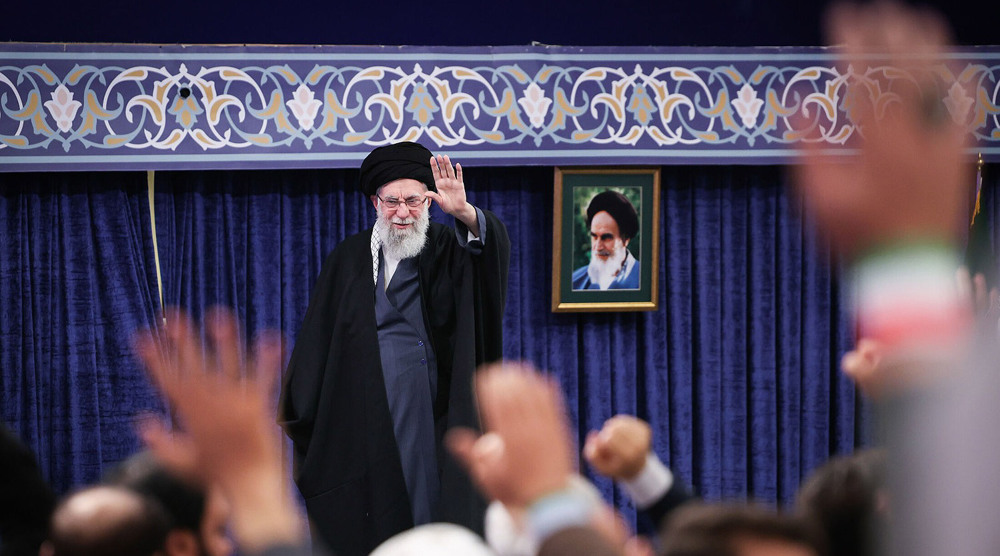
Over 90 countries declare readiness to attend funeral of martyred Leader
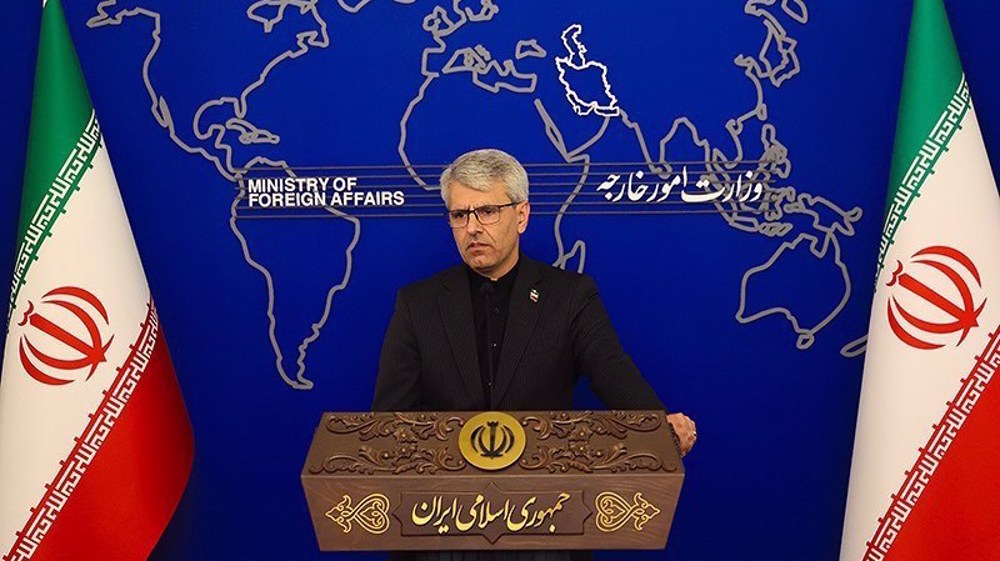
Iran monitors US compliance moment-by-moment, won’t implement MoU unilaterally: FM spox



'War crime': Iran FM vows legal action against US over torpedo attack on Dena frigate
IRGC dismantles armed separatist cell in northwest Iran
Venezuela earthquake death toll surpasses 1,700 as search efforts continue
US national pride lowest in two decades: Poll
Pentagon plans US ground troop deployment to force Hezbollah disarmament: Report
Over 90 countries declare readiness to attend funeral of martyred Leader
Mission unaccomplished – Part VII: US sought Iran's collapse but settled for reopening Hormuz Strait
Iran becomes world's 3rd producer of rapid gas detection kits, says knowledge-based firm



 PressTV NEWSLETTER
now
PressTV NEWSLETTER
now
 This makes it easy to access the Press TV website
