Kata'ib Hezbollah says US, British envoys must not interfere in Iraq's domestic affairs
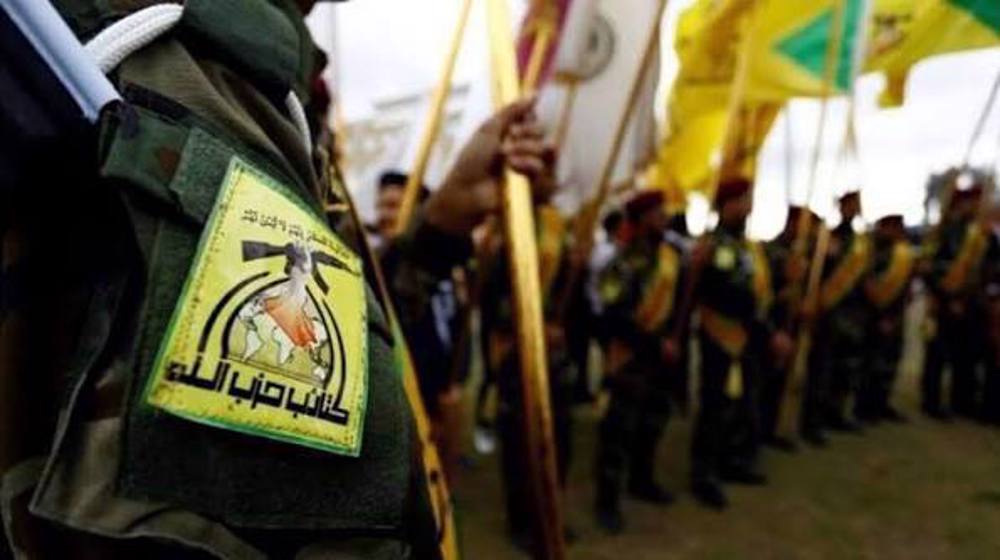
The Kata'ib Hezbollah resistance group has sharply criticized American and British ambassadors for their latest interventionist remarks about anti-terror groups operating inside Iraq, calling upon Iraqi lawmakers to stand up against such meddling.
"We urge respectable Iraqi legislators to restrict US and British ambassadors, and prevent their intervention in our nation's domestic affairs," the group's spokesperson Abu Mujahid al-Assaf said in a statement on Saturday.
He also took a swipe at certain Iraqi politicians, describing it as "unacceptable" that some figures tend to take controversial positions vis-à-vis regional developments and view them as a serious threat to Iraq's national security and sovereignty, whilst they usually keep mum on attacks and acts of aggression against Iraqi soil.
Assaf pointed to attacks on the al-Zubair district in the southern Basra province, assaults launched by Kuwaiti military forces, strikes on the positions of Popular Mobilization Units (PMU) as well as Jordan's role as "the Zionist regime's advanced base," demanding firm and independent stances of Iraqi political currents regarding such regional developments.
He welcomed efforts by armed groups outside of the Islamic Resistance to hand over weapons to the Iraqi state, offering to help Baghdad with the transfer and storage of arms.
“We welcome every step taken by our brothers (not involved in the Islamic Resistance) that aims to confine weapons to the state, strengthen security, stability, and civil peace, and preserve the resources of the dear Iraqi people,” Assaf stated.
Assaf added that they are ready to help the state in “providing some facilitation and guidance between these entities and the Popular Mobilization Units leadership concerned with this matter."
He also recommended that Kata'ib Hezbollah receive “specialized weapons” including drones, suicide aircraft, cruise missiles, and anti-tank missiles, adding that “there are no specialists in state agencies.”
Concluding the statement, Assaf said Kata’ib Hezbollah respected the decision of groups choosing to lay down their arms.
Illegal weapons in Iraq reportedly stand out as one of the most pressing challenges to security and stability. Unofficial data puts the number of arms within Iraqi society at around 15 million medium and light weapons, with armed groups and tribes possessing the bulk of them.

Iran FM meets Karbala, Najaf governors to discuss funeral plans for late Ayatollah Khamenei
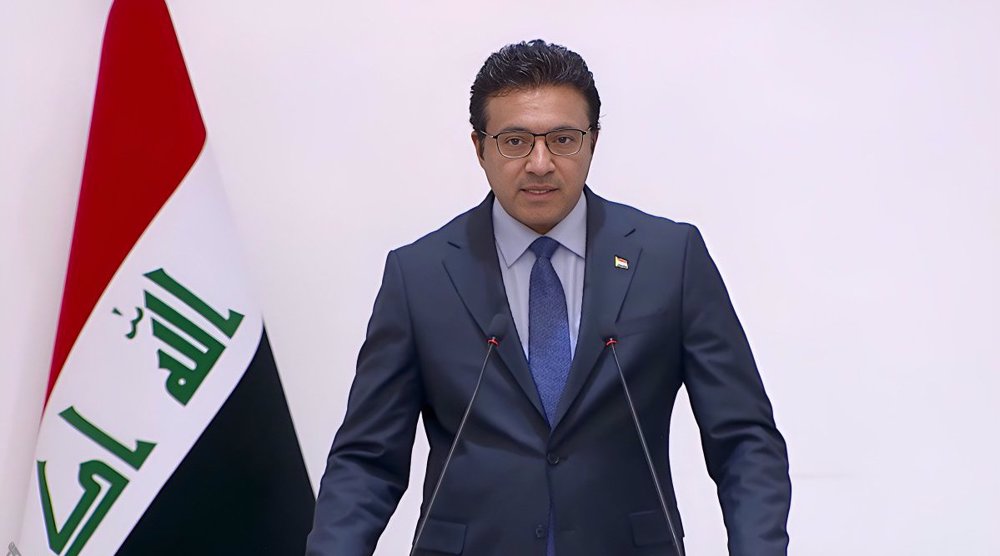
Iraq sets Sept. 30 deadline for resistance groups to hand over arms amid US pressure
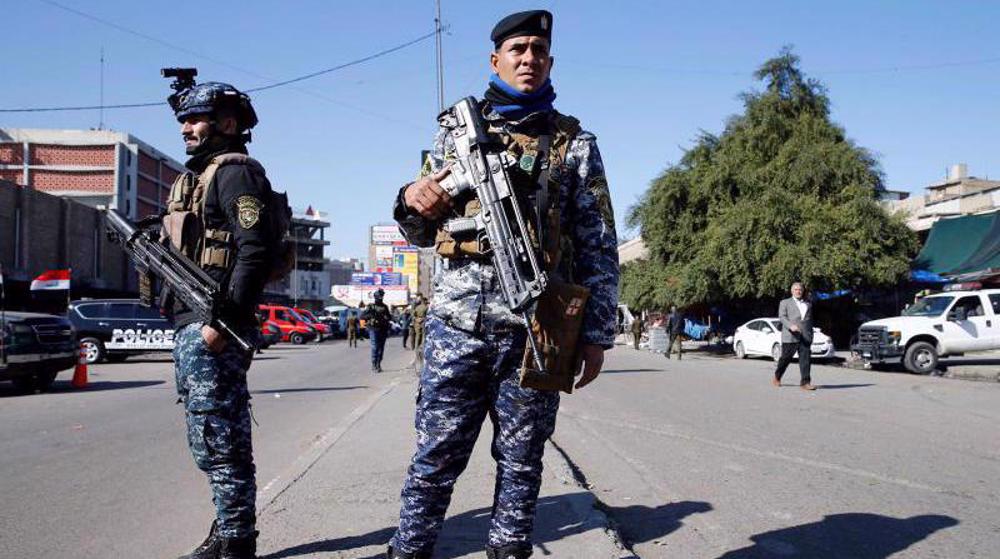
Iraq’s new ‘anti-corruption’ crackdown sees arrests rise to 67 ahead of PM’s US visit


Hezbollah MP blasts ‘sell-out’ government, says Lebanon central to any Iran-US deal
Israeli army demolishes buildings across Gaza as ceasefire violations continue
VIDEO | Press TV's news headlines
VIDEO | Thousands displaced by earthquake in Venezuela receive temporary shelters
Iran will respond decisively to any ceasefire violation: Acting defense minister
Trump criticized Spain for not meeting NATO spending targets
Arab League, Arab Parliament condemn repeated Israeli attacks on Syria
Management of Strait of Hormuz solely Iran’s responsibility: Senior MP


 PressTV NEWSLETTER
now
PressTV NEWSLETTER
now
 This makes it easy to access the Press TV website
