UNSC to hold closed-door meeting to address US-Israeli strikes on Iranian civilian infrastructure
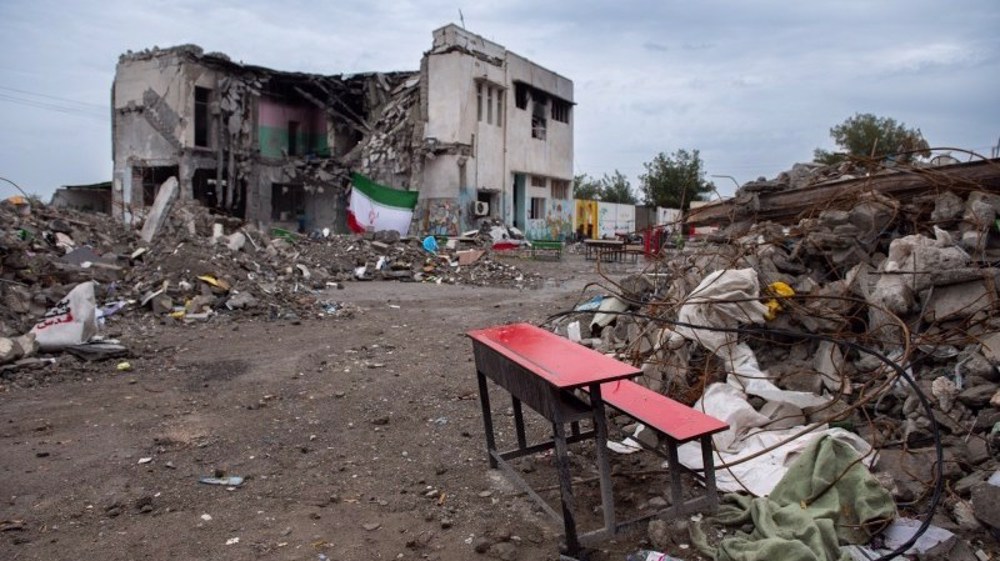
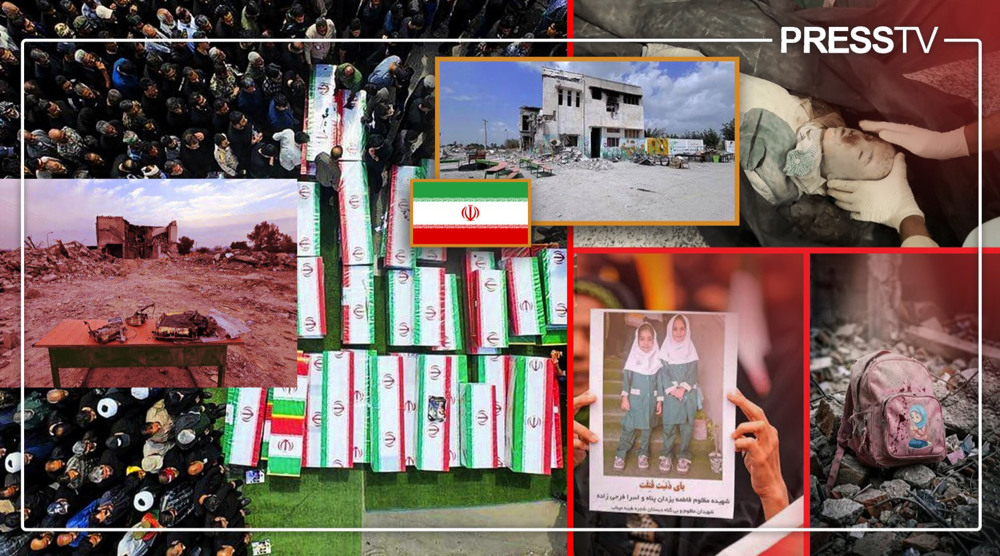
The United Nations Security Council is set to hold a private meeting on Friday to discuss recent United States and Israeli military strikes on civilian infrastructure in Iran, including a deadly terrorist attack on a primary school.
Requested by Russia, the session will take place behind closed doors on Friday morning, New York local time, and will be attended by the 15 permanent and non-permanent members of the Security Council.
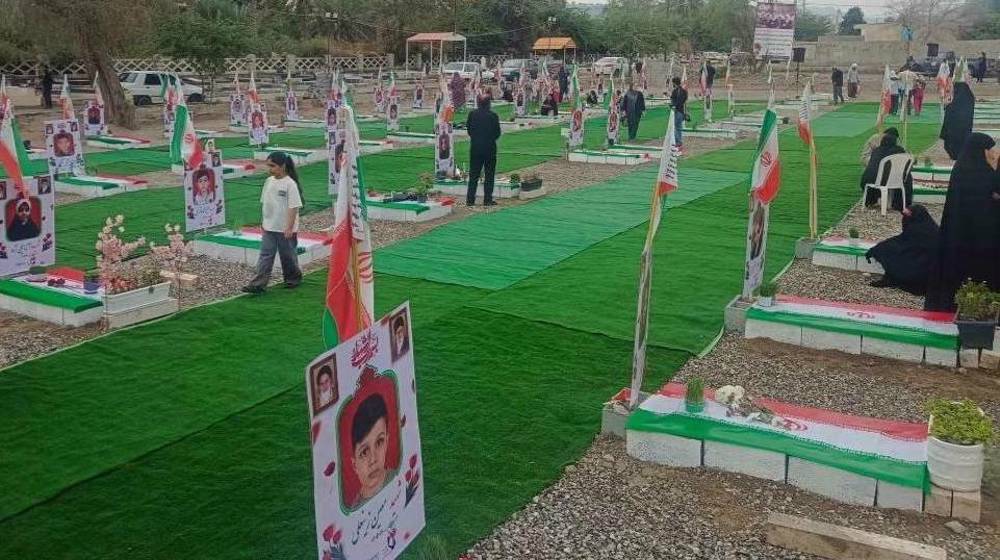
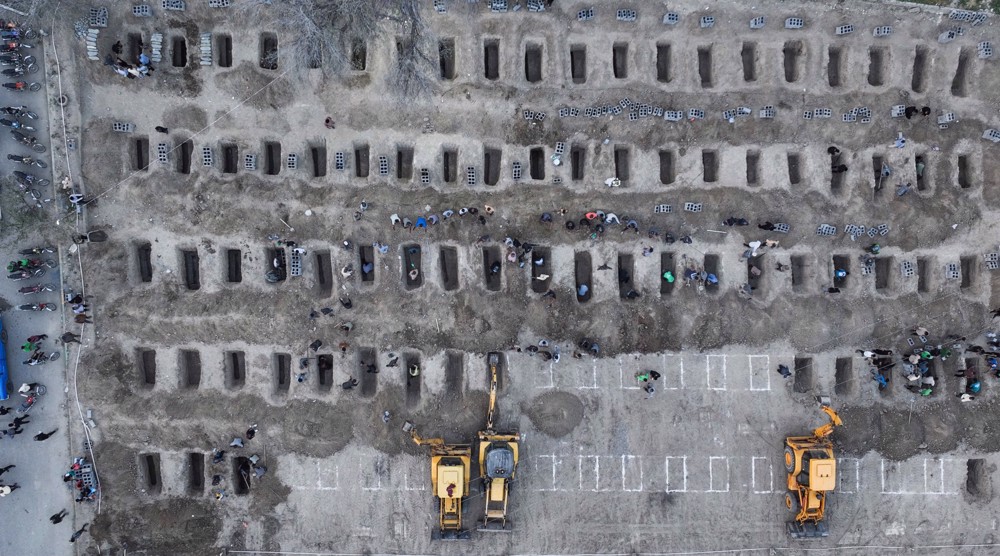
The meeting follows a formal letter sent earlier by Amir-Saeid Iravani, Iran's ambassador and permanent representative to the UN. Addressed to UN officials, the Secretary-General, and the Security Council, the letter detailed the attack on Shajareh Tayyebeh Elementary School in Minab, Hormozgan province.
The attack came on the first day of the US-Israeli unprovoked aggression on Iran, which began on February 28 by assassinating Leader of Islamic Revolution Ayatollah Seyyed Ali Khamenei and a host of military commanders.
Iravani highlighted in his letter that the attack on the school was "deliberately" targeted and destroyed by the invading coalition.
"As a result of this criminal attack, more than 170 innocent schoolgirls lost their lives, and their bodies were recovered from under the rubble after hours of rescue and relief operations," he added.
New footage shows the moment of US-Israeli attack on primary school in Minab, southern Iran.
— Press TV 🔻 (@PressTV) March 23, 2026
Follow: https://t.co/mLGcUTSA3Q pic.twitter.com/PK2vIxVQZc
He added, "On the same day, similar attacks in other cities, including east of Tehran and Abyek in Qazvin province, also led to the deaths of several students."
Under international humanitarian law, the deliberate targeting of a school, hospital, or any other civilian site is considered a war crime.
The United States, having committed this war crime, is still conducting so-called investigations to avoid the consequences and responsibility stemming from this human tragedy. Initial reports by American media, however, have named the US military as responsible for the attack.
Probe holds US responsible for Minab massacre; lawmaker demands Trump’s impeachmenthttps://t.co/PuXWtT1Skt
— Press TV 🔻 (@PressTV) March 12, 2026
The strike stands as one of the worst cases of civilian casualties in decades of American wars in West Asia.
The broader humanitarian impact of the aggression was highlighted by UN spokesperson Stéphane Dujarric. Speaking to reporters on Thursday local time, he noted that colleagues at the UN Office for the Coordination of Humanitarian Affairs have received reports of extensive damage to vital services in Iran.
Citing the latest figures from the Iranian Red Crescent Society, Dujarric stated that in total, more than 87,000 civilian residential and commercial units have been damaged. The destruction also extends to 600 schools, 289 healthcare centers, 17 Red Crescent facilities, three helicopters, and 48 of the organization's rescue vehicles.
Dujarric emphasized that emergency personnel have not been immune to the violence. As of Wednesday, the Ministry of Health reported the deaths of 23 healthcare workers and injuries to 112 others. Additionally, the Red Crescent has confirmed the death of one rescue worker and injuries to 14 personnel so far.
🔴 Iran Red Crescent Society: US-Israeli aggression caused damage to 292 medical, relief centers, including hospitals pic.twitter.com/TMDJZSqtjn
— Press TV 🔻 (@PressTV) March 24, 2026
The UN spokesperson continued by explaining that the ongoing aggression has forced people to relocate to safer areas. This displacement has heightened civilian vulnerability and disrupted their access to basic needs, essential services, and livelihoods.
Official: 250 students, teachers martyred
Iran said on Friday that 250 students and teachers have been martyred and 184 members of the education community wounded since the start of the Zionist-American war on its territory, according to remarks carried by Islamic Republic News Agency.
Hossein Sadeghi, head of the public relations and information center at Iran’s education ministry, said 723 educational, cultural and administrative sites have also been damaged nationwide.

He provided the following provincial breakdown of casualties:
Hormozgan: 147 killed (120 students, 27 teachers), 120 wounded
Tehran (city): 16 students and 5 teachers killed; 8 students and 5 teachers wounded
Tehran province (excluding capital): 12 students, 1 child and 3 teachers killed
Lorestan: 7 students and 5 teachers killed; 4 students and 4 teachers wounded
Fars: 8 students and 2 teachers killed; 32 students wounded
Markazi: 4 students and 3 teachers killed; 1 teacher wounded
East Azarbaijan: 12 students and 1 child killed; 3 teachers (including retirees) killed; 1 student wounded
West Azarbaijan: 3 students killed
Ardabil: 1 teacher killed
Isfahan: 3 students and 1 teacher killed
Alborz: 1 student killed; 1 teacher wounded
Ilam: 2 students and 1 teacher killed
Zanjan: 1 student killed
Kerman: 2 students killed; 1 student wounded
Hamadan: 1 student killed
Yazd: 1 student killed
Kurdistan: 1 student killed; 1 student and 1 teacher wounded
Kermanshah: 2 students killed; 3 students and 2 teachers wounded
Qazvin: 2 students killed
He added that some provinces, including Sistan and Baluchestan and Qom, reported damage to educational facilities.
Photos of Minab primary school students who were martyred in US-Israeli strikes
— Press TV 🔻 (@PressTV) March 23, 2026
Follow: https://t.co/mLGcUTSA3Q pic.twitter.com/RnQAfDhmpp
The US-Israeli aggression began while indirect negotiations between Iran and the US were actively taking place through the mediation of several regional countries.
In the wake of the attacks and within the framework of its legitimate right to self-defense, the Islamic Republic has been delivering decisive, targeted, and proportionate responses to the aggressors by pounding US and Israeli assets across the region.
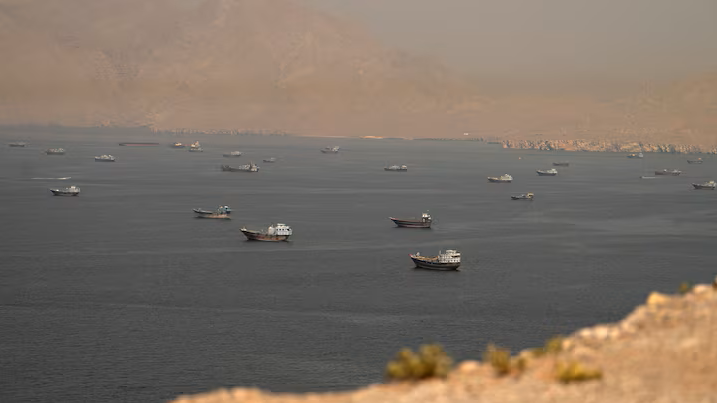
Management of Strait of Hormuz solely Iran’s responsibility: Senior MP
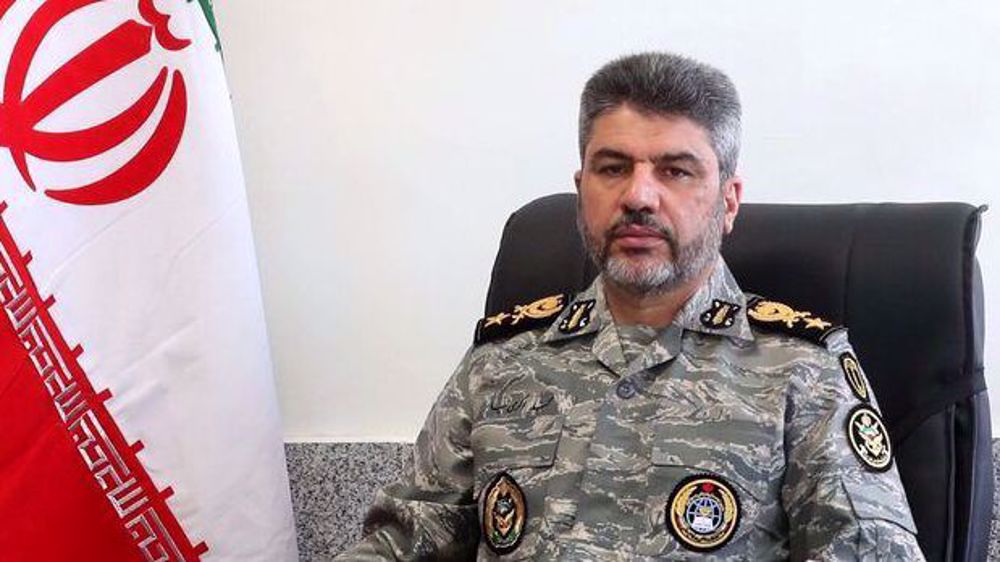
Martyred Leader's funeral to serve as global movement against terrorism, US-Zionist crimes: Army
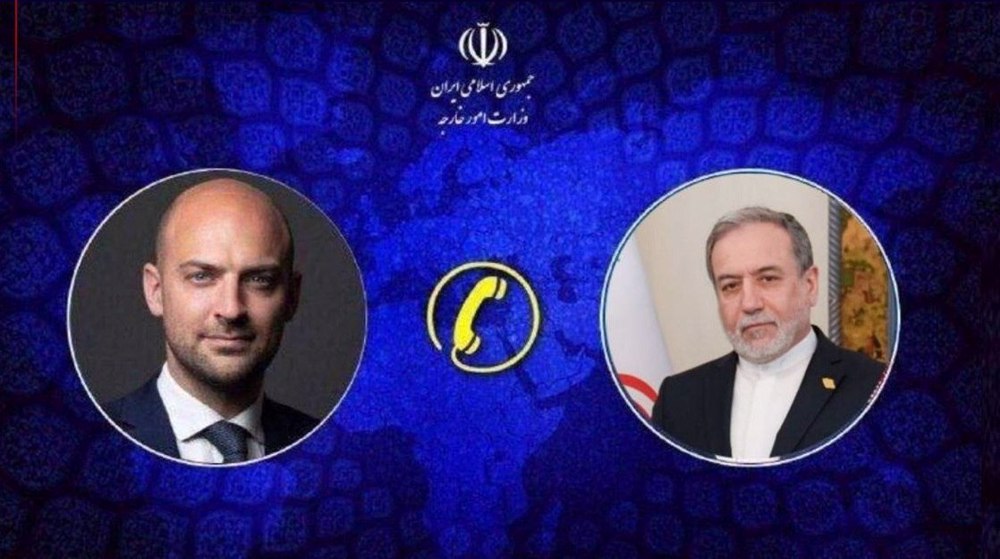
Iran, France FMs discuss Islamabad MoU implementation


Iran monitors US compliance moment-by-moment, won’t implement MoU unilaterally: FM spox
Hezbollah MP blasts ‘sell-out’ government, says Lebanon central to any Iran-US deal
Israeli army demolishes buildings across Gaza as ceasefire violations continue
VIDEO | Press TV's news headlines
VIDEO | Thousands displaced by earthquake in Venezuela receive temporary shelters
Iran will respond decisively to any ceasefire violation: Acting defense minister
Trump criticized Spain for not meeting NATO spending targets
Arab League, Arab Parliament condemn repeated Israeli attacks on Syria


 PressTV NEWSLETTER
now
PressTV NEWSLETTER
now
 This makes it easy to access the Press TV website
