Iran advises US to act independently of ‘destructive’ Israeli influence amid nuclear talks in Oman
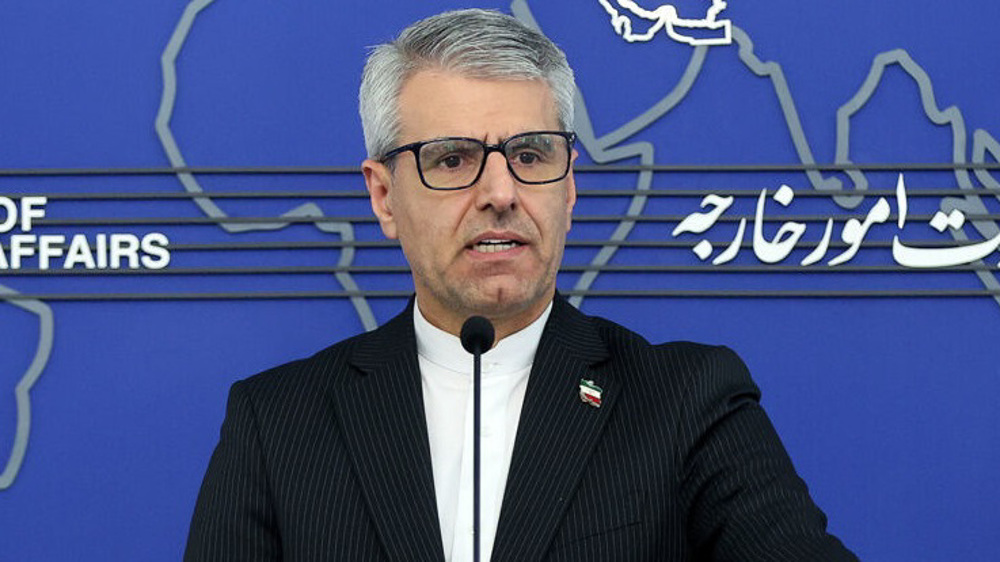
Iran’s Foreign Ministry spokesman has advised the United States to avoid "destructive" Israeli influence as Washington engages in indirect nuclear negotiations with Tehran, citing the drawn-out history of Tel Aviv-manufactured regional crises.
Esmaeil Baghaei made the remarks during a press conference in Tehran on Tuesday, identifying the US as Iran’s sole negotiating counterpart that had to decide whether it was willing to act independently of Israel’s “destructive” pressures that harmed regional stability and even contradicted Washington’s own interests.
Baghaei said one of the main challenges in US foreign policy in the West Asia region was its alignment and compliance with the demands of the Tel Aviv regime, which he said has been the primary source of insecurity in the region over the past eight decades.
He further described Israel as the driving force behind an artificially manufactured crisis surrounding Iran’s peaceful nuclear energy program.
Repeated allegations propagated by Tel Aviv that Tehran sought to divert the program towards military purposes were aimed at creating an illusory sense of fear, he added.
The same regime, the senior diplomat noted, has consistently obstructed peaceful diplomatic processes.
The remarks came as Israeli Prime Minister Benjamin Netanyahu is about to travel to the United States ahead of schedule in line with what observers have speculated to be Tel Aviv’s intentions to force Washington into complicating the talks.
Israeli Prime Minister Netanyahu is expected to meet with US President Trump this coming Wednesday in Washington to discuss the latest developments regarding the Iran-US nuclear negotiations.
— Press TV 🔻 (@PressTV) February 7, 2026
Follow Press TV on Telegram: https://t.co/LWoNSpkc2J pic.twitter.com/WniUJVImvw
According to Baghaei, while resolved to address outstanding issues through diplomacy, Iran retains its defensive awareness.
He cited past experiences, including the imposed Israeli-American war on the country that came while Tehran and Washington were engaged in a similar process.
The spokesman warned that any fresh military aggression against the Islamic Republic would be met with a decisive and “regret-inducing” response, saying experience has shown that Israel would unexceptionally coordinate its actions with the United States.
The remarks referred to verification emerging across media that the previous round of indirect nuclear talks between Iran and the US were used as a cover to conceal Tel Aviv’s and Washington’s intentions to wage war on the Islamic Republic in June last year.
Diplomacy as cover: Investigation details how US-Iran talks masked preparations for 12-day warhttps://t.co/BcyHjFEkGK
— Press TV 🔻 (@PressTV) December 17, 2025
The spokesman described the most recent round of the talks that took place in the Omani capital Muscat on Friday as a half-day session intended to assess the seriousness of the other side and the possible path forward.
He said the discussions focused largely on general issues and that the Islamic Republic’s principled positions were made clear.
Baghaei added that Tehran’s core demand was securing the interests of the Iranian nation in line with international norms and the Nuclear Non-Proliferation Treaty (NPT), specifically concerning the peaceful use of nuclear energy.
Asked about the format of talks, the spokesman said, "Whether negotiations are direct or indirect is not decisive; if there is political will, an agreement is achievable."
"The talks in June did not collapse because they were indirect, but because the United States resorted to military force, which led to a deadlock," he added.
Larijani's Oman visit
He also commented on an ongoing visit to Oman by Secretary of Iran’s Supreme National Security Council (SNSC), Ali Larijani, saying it was part of the continuation of regional consultations by the official, who has previously traveled to several regional countries, including Russia, Pakistan, Saudi Arabia, and Iraq.
He said Iran’s principled policy was to strengthen relations with neighboring countries and promote good neighborliness, adding that the trip had been "planned in advance" and was aimed at enhancing regional cooperation.

German president condemns US-Israeli aggression against Iran as ‘unnecessary war’
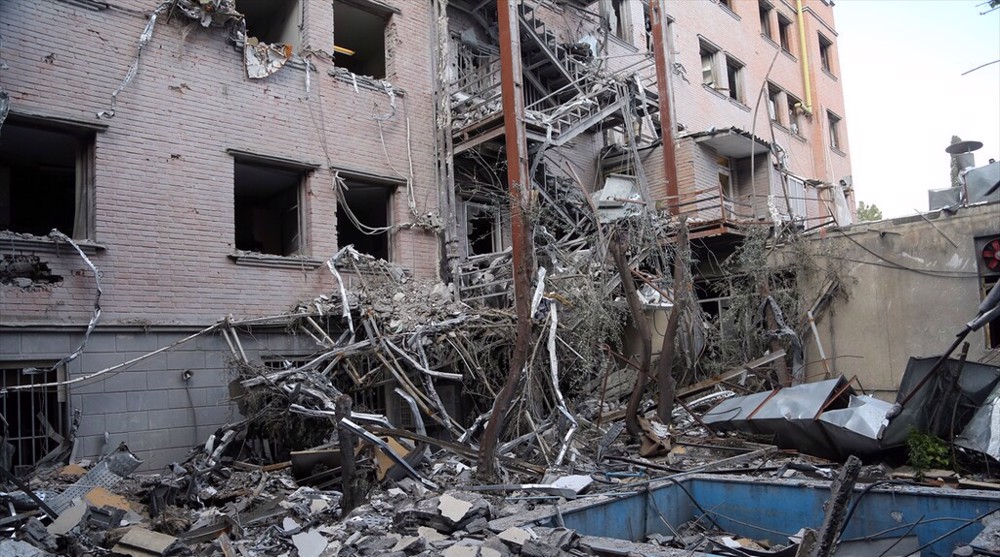
Intl. scientists call for restoration of Iran’s Pasteur Institute after US-Israeli aggression
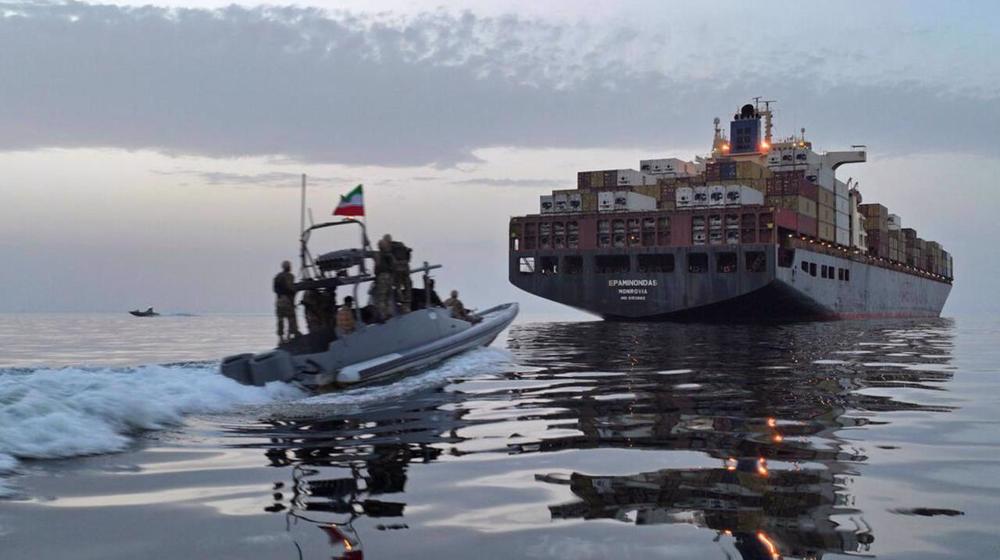
IRGC Navy coordinates safe passage of 31 ships through Strait of Hormuz



US economic confidence hit four-year low due to aggression against Iran: Survey
‘Unbelievable miracle’: IRGC hails creators of epic nighttime gatherings
US naval blockade against Iran ‘illegal’, amounts to ‘war crime’: Envoy
Foreign powers aim to take control of Yemen, exploit its resources: Ansarullah leader
Ireland pushes for EU trade ban on Israeli settlements amid widespread violations
Pakistan army chief arrives in Tehran amid Iran-US mediation push
The logic of victory: Iran’s principled terms for end to imposed war define a new strategic reality
Baghaei appointed as spokesman for Iran’s negotiating team with US




 PressTV NEWSLETTER now
  This makes it easy to access the Press TV website