Israeli airstrikes on Lebanon reach highest level since Nov. 2024 ceasefire: Report
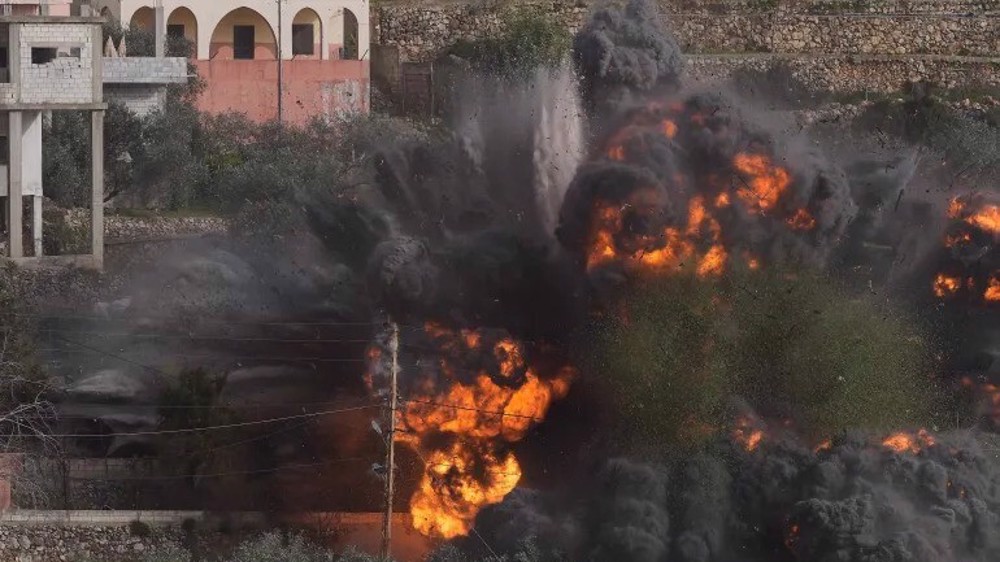
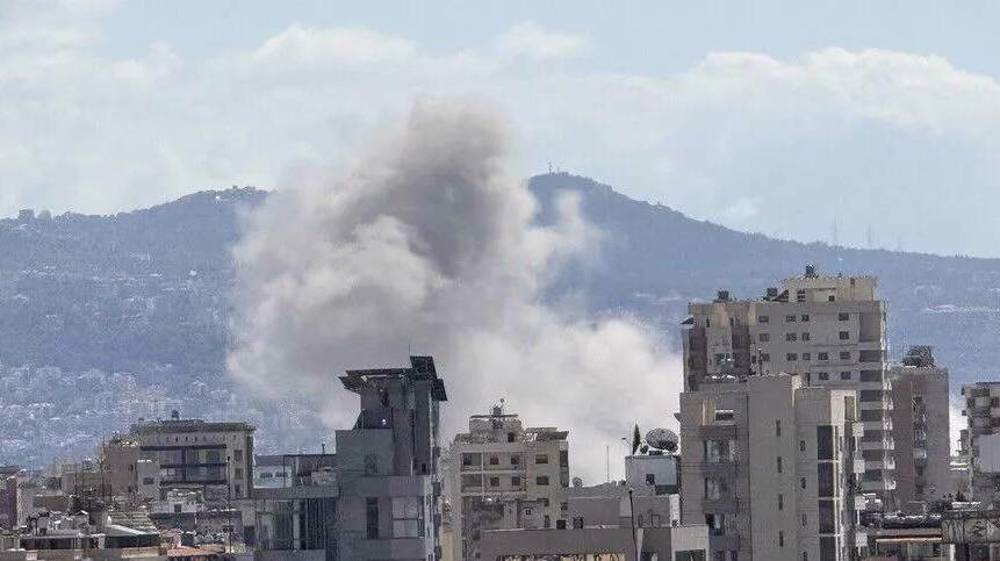
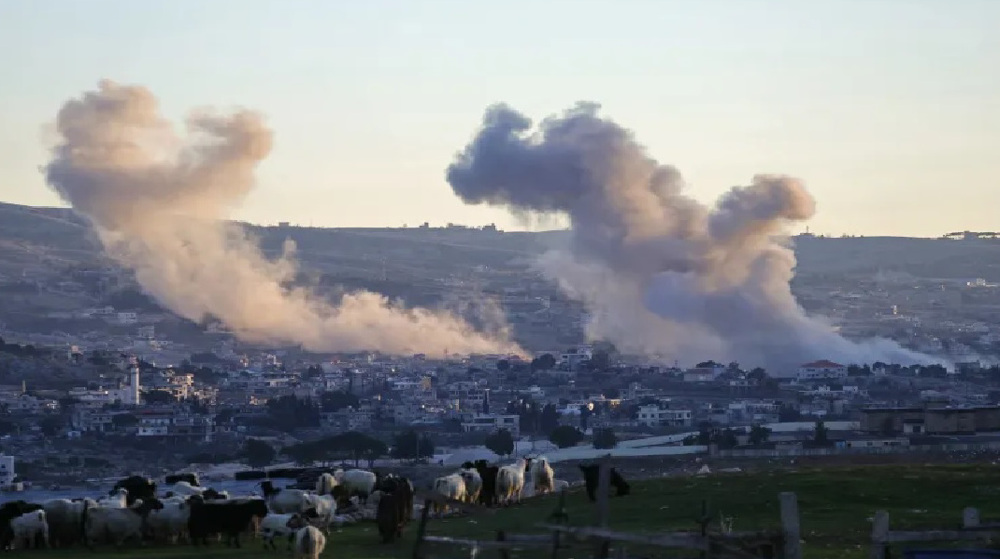
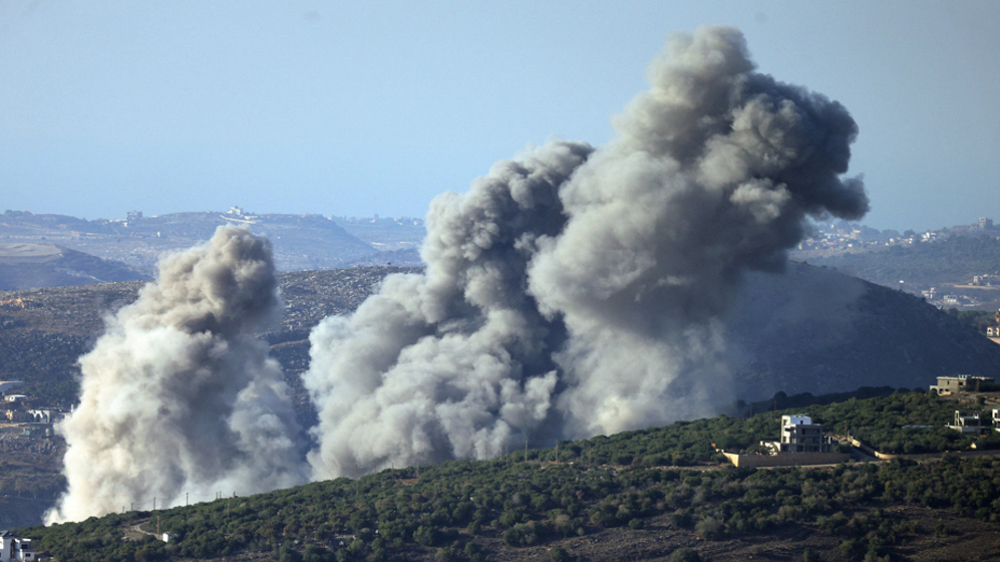
The skies over southern Lebanon have seen a significant increase in Israeli aerial attacks over the past month, marking the most intense period of such activity since the last ceasefire agreement in November 2024.
The Norwegian Refugee Council (NRC), citing data from security company Atlas Assistance, reported that Israel has executed a “clear and dangerous” surge in air attacks on Lebanon, with its warplanes conducting more strikes in January than in any previous month since the ceasefire.
“We have seen a clear and dangerous surge in the number of Israeli attacks on Lebanon in the first month of the year,” stated Maureen Philippon, NRC’s country director in Lebanon.
Israeli warplanes conducted at least 50 air raids on Lebanon last month—approximately double the previous month’s count. The data only includes attacks by manned Israeli warplanes, excluding drone strikes and those occurring during ground incursions.
“These attacks and ongoing ground incursions render the ceasefire agreement little more than ink on paper,” noted an NRC official.
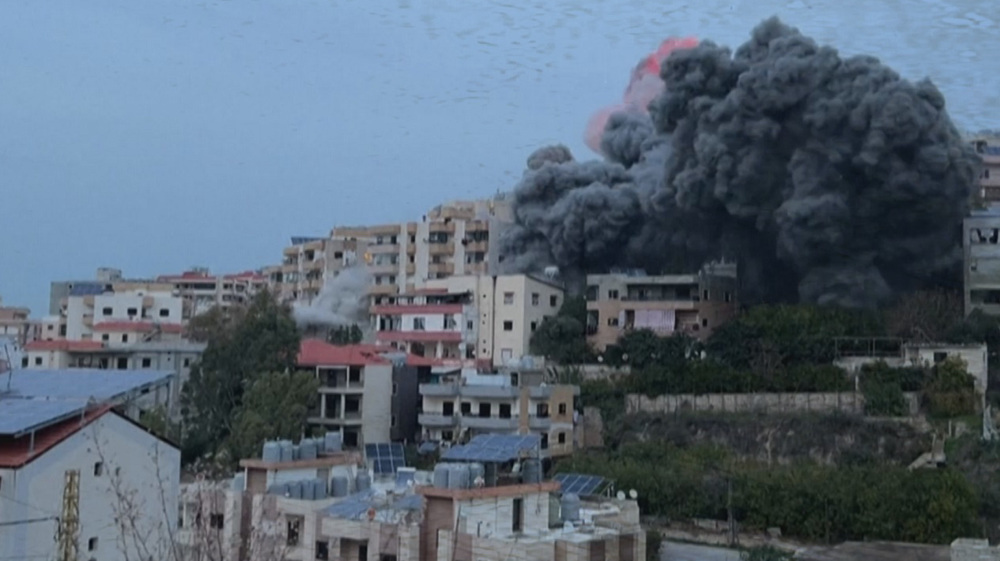
Reported attacks have affected numerous cities and villages in southern Lebanon and the Bekaa Valley, targeting private residences and densely populated neighborhoods.
Recent airstrikes on residential blocks in Qanarit and Kharayeb destroyed homes and displaced families.
The frequency of these raids has raised concerns among local populations and international observers about the potential for renewed all-out war and its humanitarian implications.
The continuous presence of warplanes has contributed to a climate of fear and insecurity, particularly among civilians near the border.
“Every time we hear a strike, panic takes over. We grab what we can and run, not knowing where it is safe,” said Sana, a resident of the Nabatiyeh district. “We can’t take this anymore; we live with the fear that we could be next.”
The NRC emphasized the impact of the aerial bombardment on communities already facing economic hardship and the lingering effects of past wars.
Israeli bombing undermines reconstruction efforts and leaves more families without homes this winter.
Philippon stated, “Aid agencies, including NRC, are still dealing with the aftermath of months of destructive conflict. We call on Israel’s allies to stop these attacks on civilian areas and villages.”
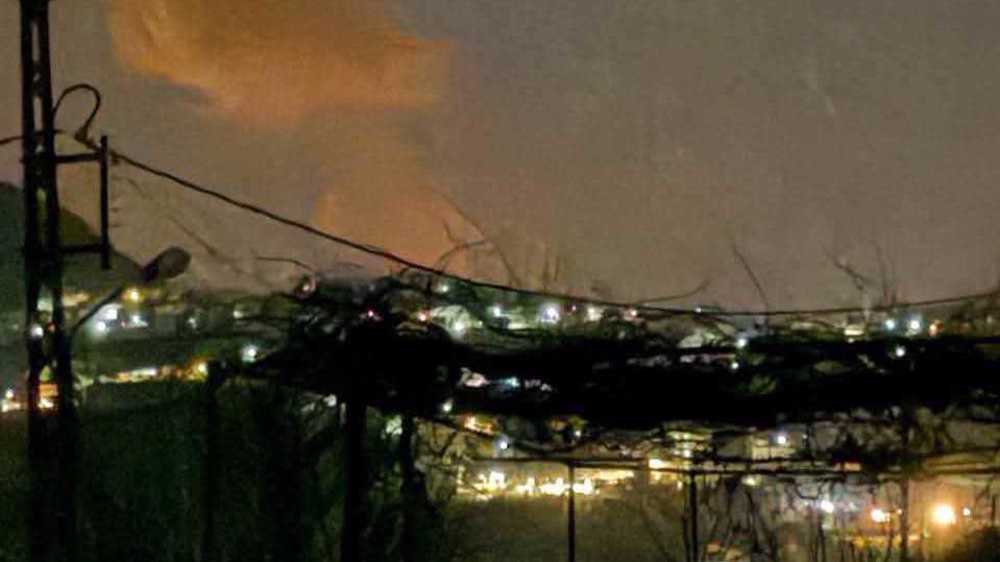
She noted that families and children are particularly affected, referencing a school in west Bekaa that had recently been repaired but was damaged again in a recent attack.
“This means yet another interruption in education for children,” she added.
Philippon called on Israel’s allies to do “everything they can to stop these attacks on civilian areas and villages”.
Under the terms of the November 2024 ceasefire, cross-border attacks were supposed to cease, and Israel was to withdraw troops that had invaded south Lebanon in October.
However, Israel has continued its near-daily attacks in the south and the Bekaa Valley, maintaining occupation at five points in southern Lebanon.
The Lebanese government says that Israel has committed thousands of breaches of the ceasefire agreement.
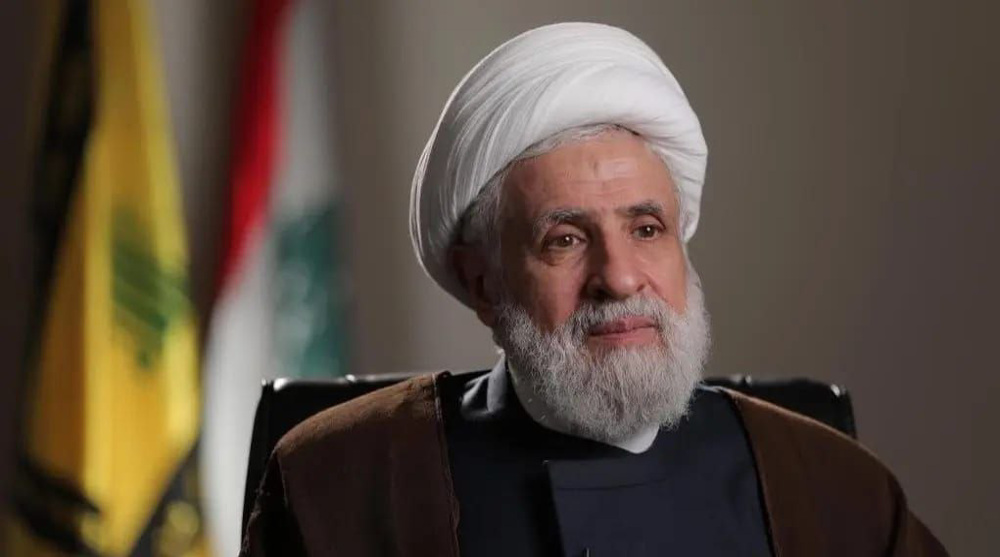
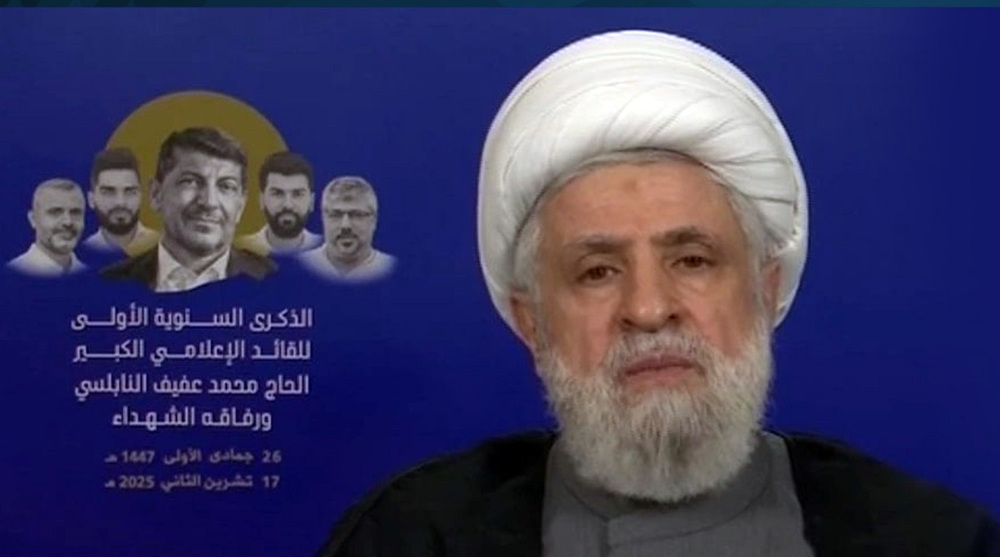
Hezbollah Secretary-General Sheikh Naim Qassem recently warned that a US-Israeli push to disarm the resistance in Lebanon is a calculated prelude to the annihilation of the Lebanese nation.
He emphasized that Israel is targeting all of Lebanon, not just specific areas or groups.
Sheikh Qassem lamented ongoing support from the US and other Western powers for Israel, while the Lebanese government pressures Hezbollah to comply with Israel’s demands.
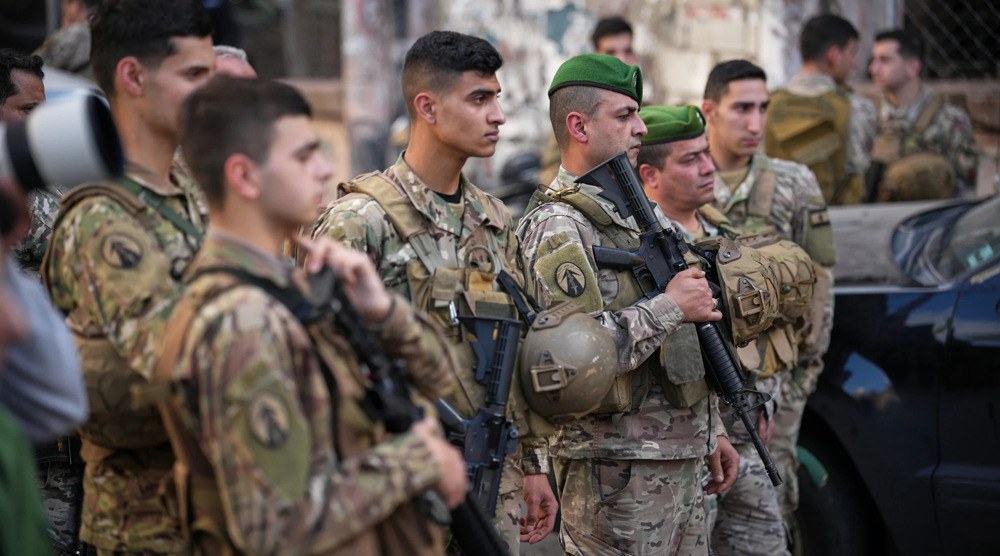
Israel seeks to block Lebanese army officers from south Lebanon role: Report
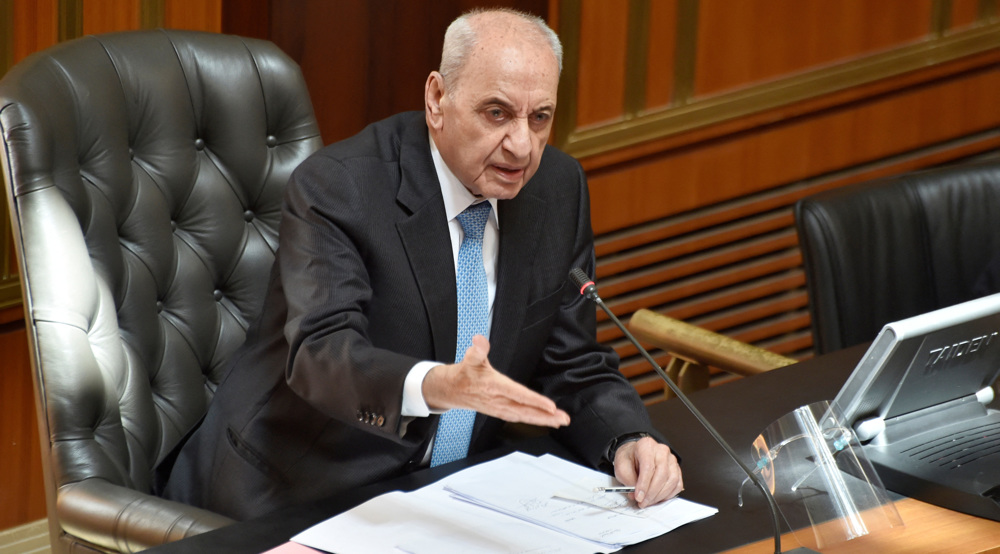
Berri rejects Netanyahu’s claim of annexing Lebanese Christian villages
New Israeli drone strike kills four civilians in southern Lebanon



US carries out fresh aggression against Iran; electricity grid, hospital in Chabahar among targets
Martyred Leader's strategic vision charted course of Iran’s space industry: Space agency chief
End of tit-for-tat era: Iran's new Strait of Hormuz doctrine traps US in unwinnable dilemma
VIDEO | Ayatollah Khamenei’s strategic legacy beyond the battlefield
Trump understands language of force better: Iran deputy FM
Iran says US violated framework of Islamabad agreement
Anasrullah: Martyred Leader’s massive funeral ‘a referendum’ on Islamic Republic
Iran will answer Trump's 'vulgarity' with action, not vulgarity: Araghchi



 PressTV NEWSLETTER
now
PressTV NEWSLETTER
now
 This makes it easy to access the Press TV website
