Hamas condemns treatment of Palestinians at Rafah border, calls it ‘organized terrorism'
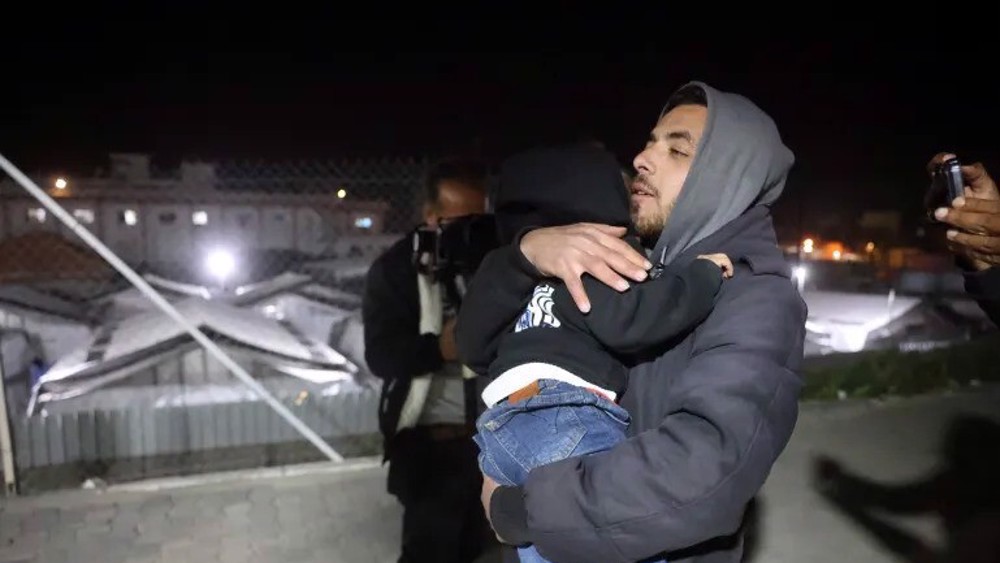
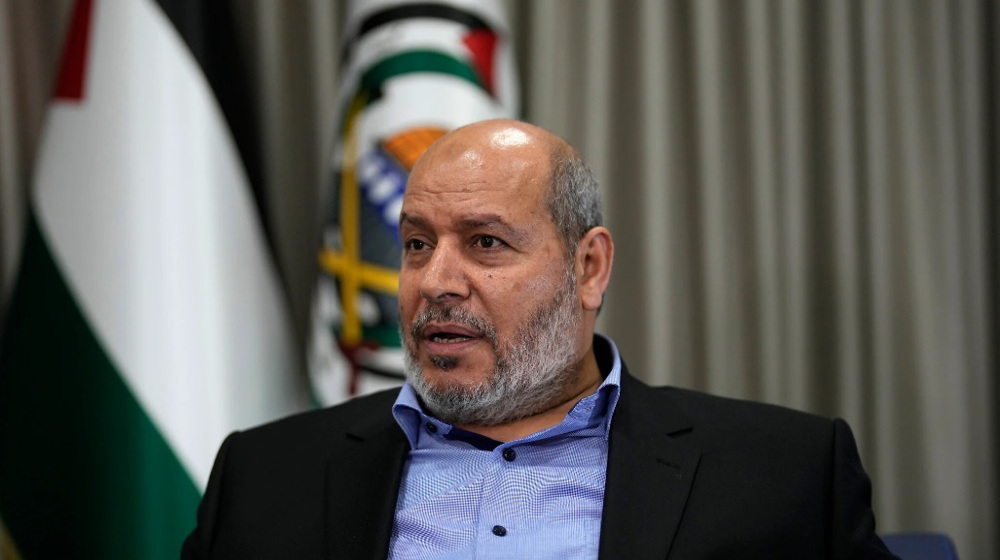
Palestinian resistance movement Hamas has condemned the treatment of Palestinians by Israeli forces at the Rafah border crossing, calling it collective punishment and a form of organized terrorism.
In a statement released on Tuesday, the group said the "mistreatment, abuse, and deliberate extortion" faced by Palestinians returning to Gaza through Rafah "constitutes fascist behavior and organized terrorism.”
“This confirms that what is happening is not ‘crossing procedures’ but rather systematic violations aimed at instilling fear and deterring people from returning to their homes,” the statement added.
Hamas said the long-awaited reopening of Gaza’s southern border crossing with Egypt was meant to ease the territory’s punishing military siege.
However, the group said field testimonies have exposed "degrading practices, including the abduction of women among travelers and their blindfolding."
"Israeli forces subjected Palestinians at the crossing to prolonged interrogations with irrelevant questions, threatened some with their children, and attempted to coerce one individual into collaboration," Hamas added.
The resistance group also called on the international community and human rights organizations to document the violations.
Israeli authorities, however, continue to enforce tight security restrictions and a complex bureaucratic process that allows only a small number of people to travel in either direction.
Media reports said Palestinians lined up Tuesday on both sides of Gaza’s border with Egypt after the long-awaited reopening the previous day was marred by delays and uncertainty over who would be allowed through.
On the Egyptian side were Palestinians who had previously left Gaza for medical treatment during Israel’s genocidal war.
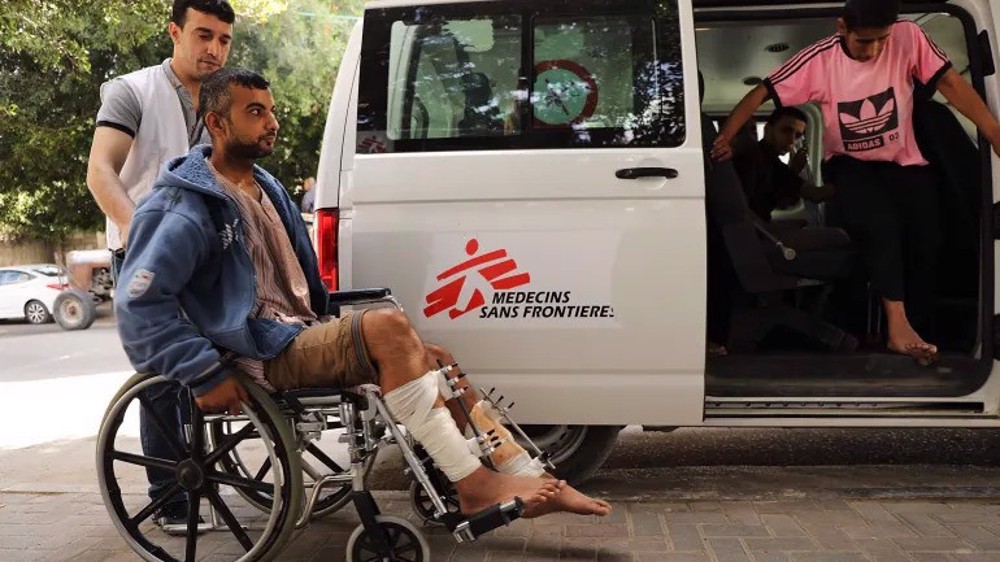
On the Gaza side, Palestinians in need of treatment were transported by buses from the Palestinian Red Crescent headquarters in the besieged territory.
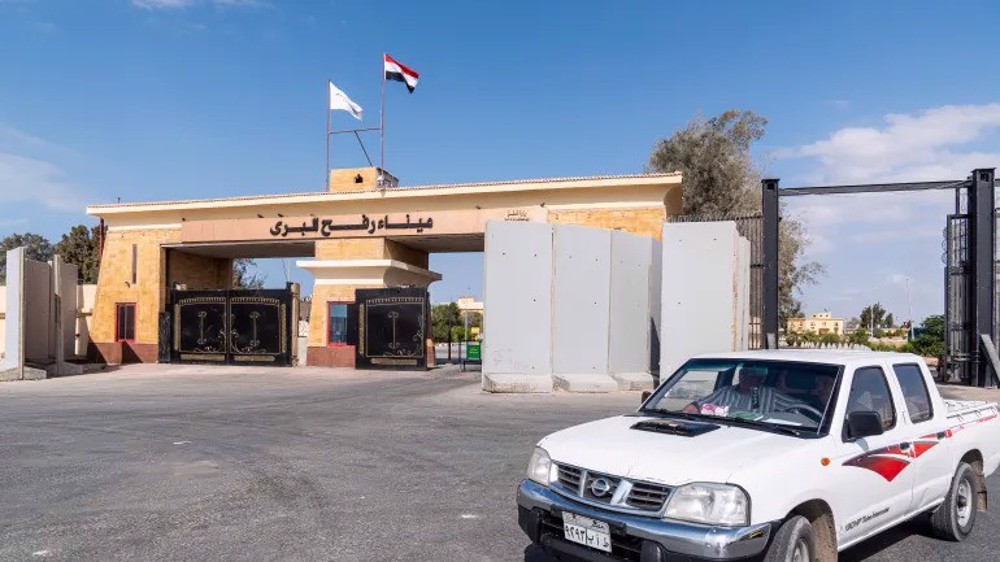
On Monday, it took more than 10 hours for only about a dozen returnees and a small group of medical evacuees to cross in each direction.
Palestinian Red Crescent spokesperson Raed al-Nims said on Tuesday that just 16 patients with chronic conditions and war wounds were transported from Khan Yunis to the Gaza side of Rafah.
The World Health Organization (WHO) said it is supporting medical evacuation efforts. UN spokesperson Stéphane Dujarric stated on Monday that adequate humanitarian supplies must be allowed into Gaza, with obstacles at Rafah and other crossings significantly reduced.
Ramiz Alakbarov, the UN resident coordinator in the occupied Palestinian territory, described the reopening of Rafah Crossing in both directions, a vital link for humanitarian supplies that has been closed for two years.
However, many now fear that Israel could use the crossing to push Palestinians out of Gaza.
The UN on Tuesday also expressed concern over continued Israeli air strikes and reports of civilian deaths over the past two days.
Israeli strikes have killed more than 500 people since the ceasefire came into effect in early October.
Since October 7, 2023, nearly 71,800 people, mostly women and children have been killed in Israel’s ongoing genocide in the beseiged territory.
The humanitarian situation for more than two million people in Gaza remains dire, with most displaced and many living in tents with minimal sanitation amid harsh winter conditions.
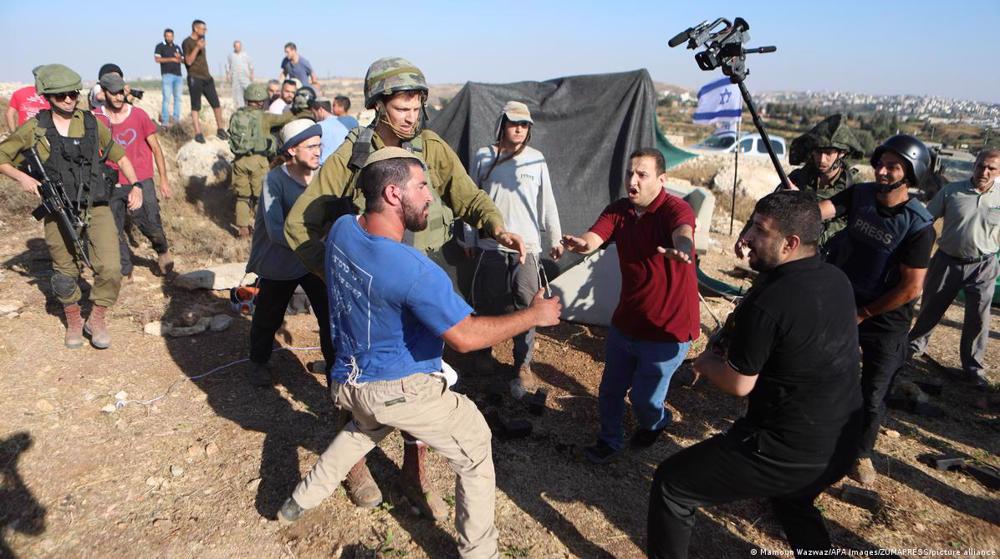
'Digital Apartheid': Meta lets Israeli settlers profit from terror on Palestinians
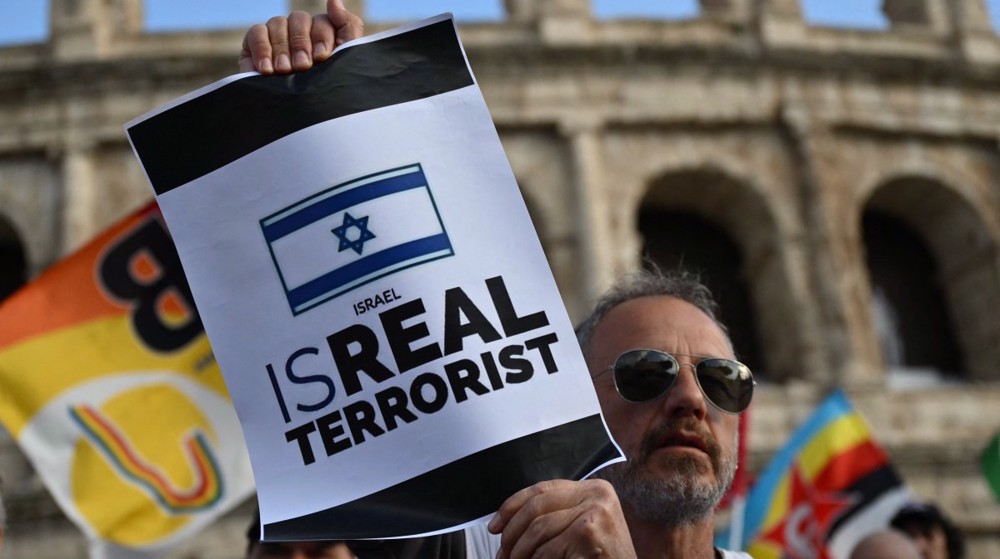
Spain summons envoy, others blast Israeli kidnap of Gaza flotilla crew
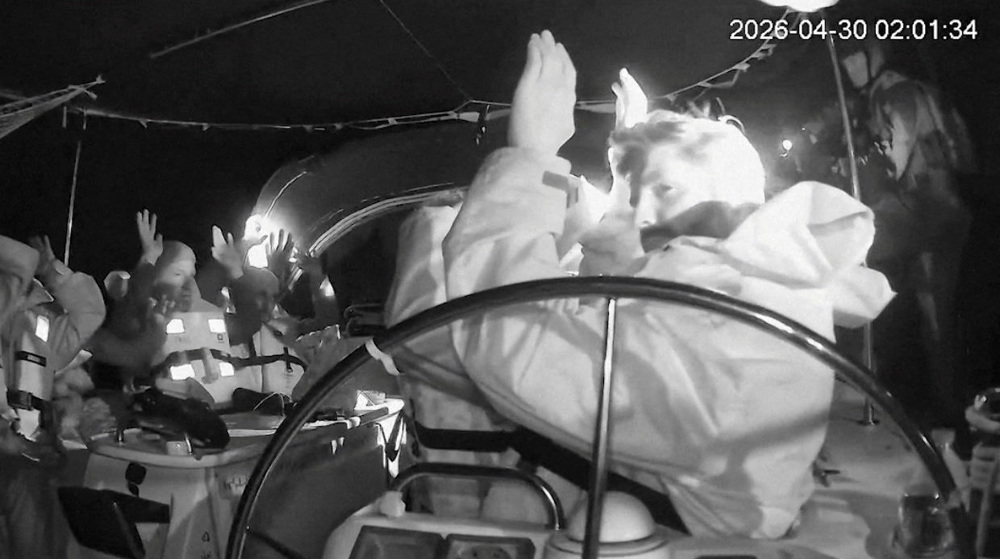
‘Maritime piracy, terrorist act’: Iran urges global unity to free Sumud 2 flotilla


In Kentucky primary, it's 'America First' vs. 'Israel First' as Trump backs Massie's pro-war rival
Two men convicted of spying for Israel’s Mossad executed in northwestern Iran
Israeli airstrikes kill 12 more civilians in southern Lebanon amid ceasefire violations
Trump admits US Navy acting like ‘pirates’ against Iranian ships
US public undeniably entitled to question legality of anti-Iran war: FM spox
IRGC: 14 martyred in blast during unexploded ordnance clearance in Zanjan
Iran slams Western media’s active complicity in Israeli genocide in Gaza
Majority of US bases in West Asia damaged in retaliatory strikes by Iran, allies: Probe


 PressTV NEWSLETTER
now
PressTV NEWSLETTER
now

 This makes it easy to access the Press TV website
