Israel to partially reopen Rafah border crossing after long closure
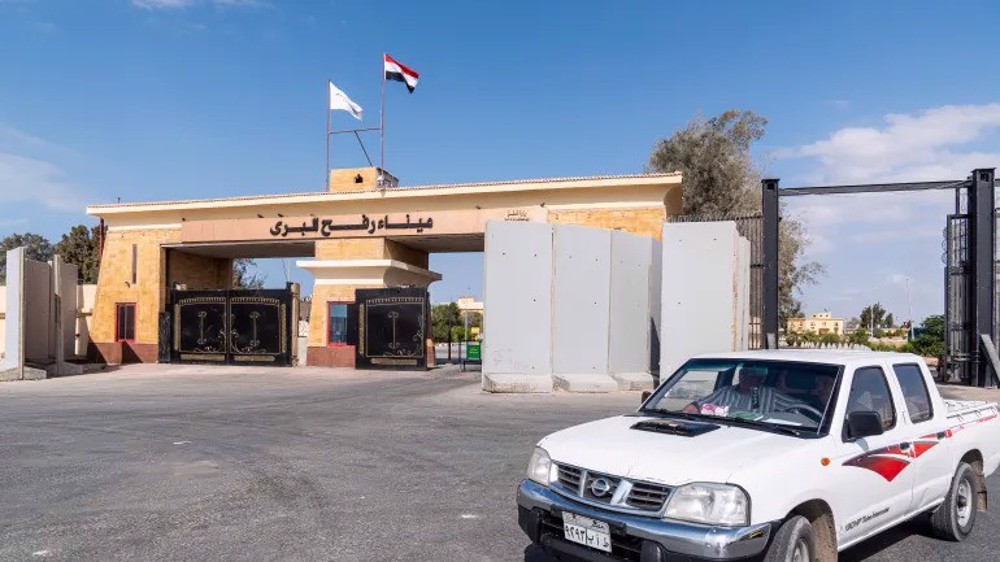
Israel says it will reopen the crucial Rafah crossing between Gaza and Egypt over the weekend after months of urging from the UN, humanitarian organizations and ordinary Palestinians — but only for the "limited movement of people."
"The Rafah Crossing will open this coming Sunday in both directions, for limited movement of people only," COGAT, an Israeli military body overseeing civil affairs in the occupied Palestinian territories, said in a statement on Friday.
Entry and exit "will be permitted in coordination with Egypt, following prior security clearance of individuals by Israel, and under the supervision of the European Union mission," it added.
It said an additional screening and identification process will also be conducted at a designated corridor under Israeli military control.
The crossing, situated on the besieged territory’s southern border with Egypt, is the only route in and out of Gaza that does not pass through the Israeli occupied territories.
It lies in territory held by Israeli forces since their pull-back behind the so-called "Yellow Line" under the terms of a ceasefire deal that began in October.
The Israeli regime troops still control more than half of the besieged Gaza Strip.
Before Israel's announcement, Mirjana Spoljaric, the president of the International Committee of the Red Cross (ICRC), had called on Friday for the international community to urgently improve the dire humanitarian conditions in Gaza.
"The international community must now seize every opportunity to scale up efforts that alleviate suffering in Gaza," Spoljaric said.
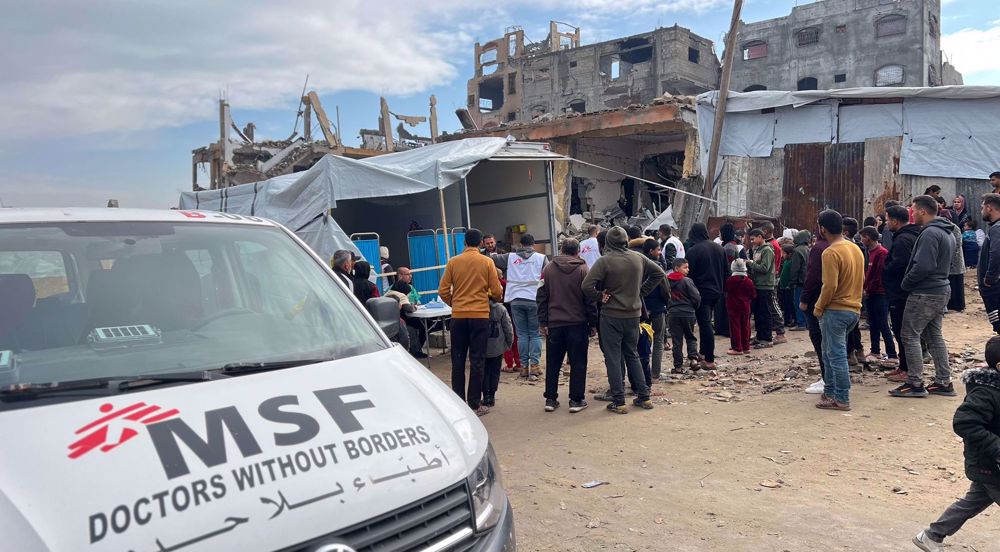
"Many people in Gaza are still living in the rubble without basic services, struggling to stay warm amid harsh winter conditions," she stated.
"Thousands of families continue to wait for news about their loved ones. Hospitals, homes, schools and water systems need to be repaired, and unexploded ordnance must be cleared," the ICRC chief noted.
Spoljaric called on Israel to ease entry restrictions on so-called dual-use material and equipment, such as water pipes and generators, to restore basic infrastructure.
The vital link for humanitarian supplies has been shut for two years.
The gateway is a vital entry point for aid, but has been closed since Israeli forces took control of it in May 2024 and past bids to reopen it have failed to materialize.
The humanitarian situation in the besieged territory of more than two million people remains grave, with most of the population displaced and many living in tents with little or no sanitation amid harsh winter weather.
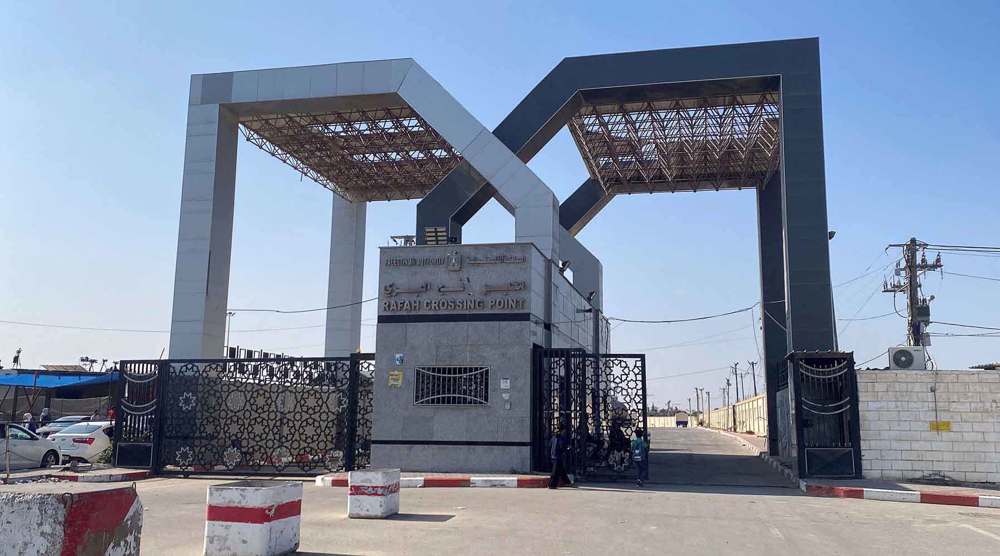
Meanwhile, Hamas on Friday repeated its call for the ceasefire’s guarantors to exert “serious pressure” on Israeli prime minister Benjamin Netanyahu to prevent him from obstructing the fragile ceasefire deal.
The Palestinian group once more called on Israel to immediately reopen the crossing, calling for the “immediate transition to the second phase” of the truce.
The core part of the first phase of the plan was completed after the return of the remains of the last Israeli captive in Gaza earlier this week.
Hamas then called for Israel to complete the implementation of all the provisions of the ceasefire agreement, “especially the opening of the Rafah Crossing in both directions without restrictions.”
Hamas, in its Friday statement, said that Israel’s continued shelling of multiple areas across Gaza, along with demolition operations in parts of the enclave, amounts to terrorism and reflects Israel’s blatant disregard for the ceasefire and its insistence on evading its obligations.

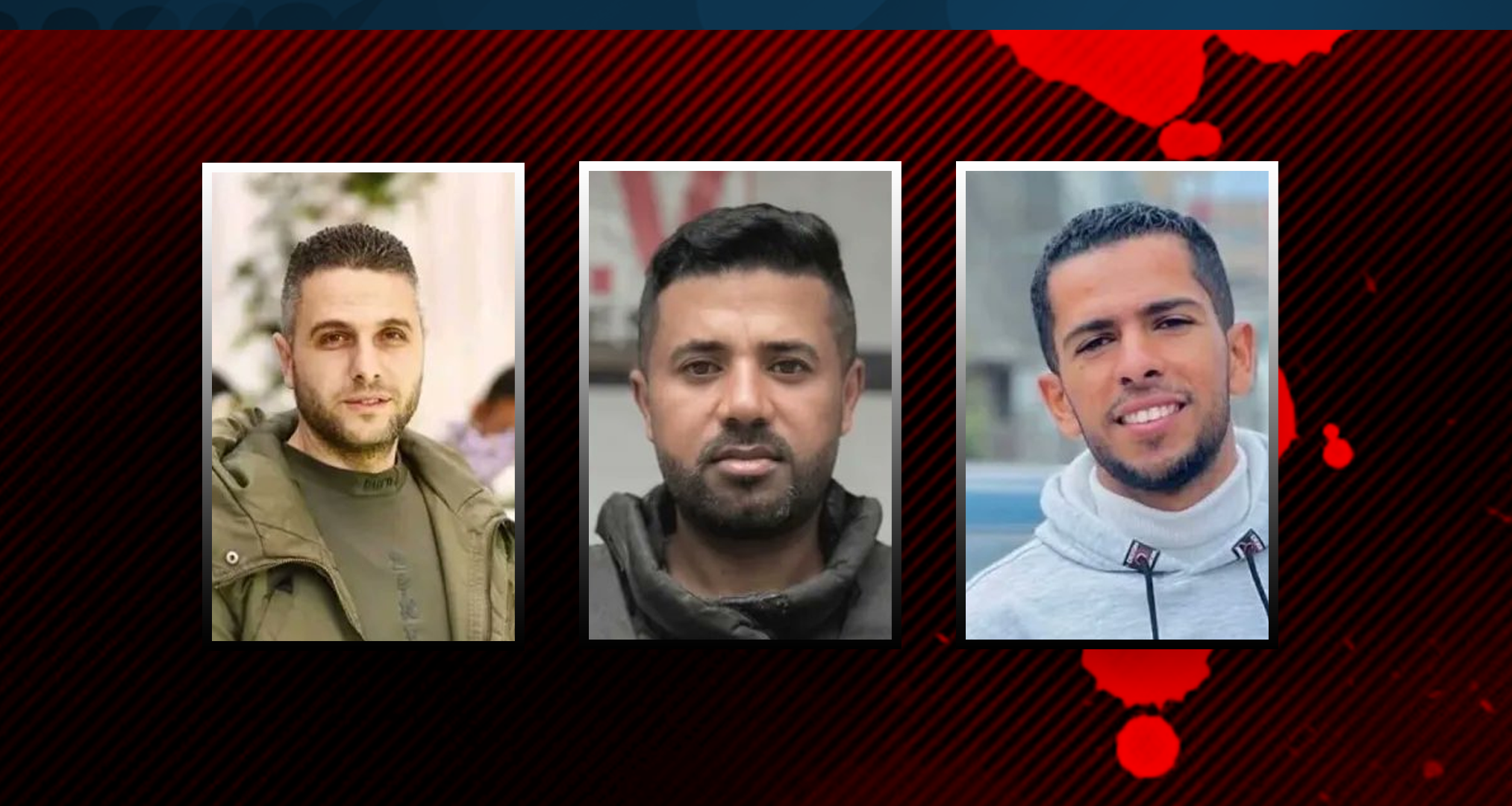
The group pointed to the latest Israeli strike east of the al-Maghazi refugee camp in central Gaza earlier on Friday, which killed two young men.
Israeli strikes have killed more than 490 people since the ceasefire came into force in early October.
More than 71,600 people, mostly women and children, have been killed in the Israeli genocidal war across the blockaded Palestinian territory since October 7, 2023.

Israel revives Gaza expulsion plan as UN confirms genocide against children
Erdogan: Israel actively working to sabotage Iran-US agreement

War minister: Israel won't leave south Lebanon even if requested by US



Germany, Israel hold joint naval drill off Haifa amid Gaza genocide
Hezbollah chief: Iran support helped resistance break Israeli project
Iran warns ships off unauthorized Hormuz routes amid talk with Oman
Al-Houthi: Iran's 'great victory' over US is triumph for resistance axis
Iran rejects US plan to spend frozen assets on American farmers
Araghchi urges formal Italian rejection of bases used by US against Iran
Lebanese MPs say Iran forced US, Israel to halt aggression
Iran declares readiness to send relief teams to Venezuela quake zone





 PressTV NEWSLETTER now
  This makes it easy to access the Press TV website