UAE urges ‘restraint’ after Saudi airstrikes on Yemen’s Mukalla port
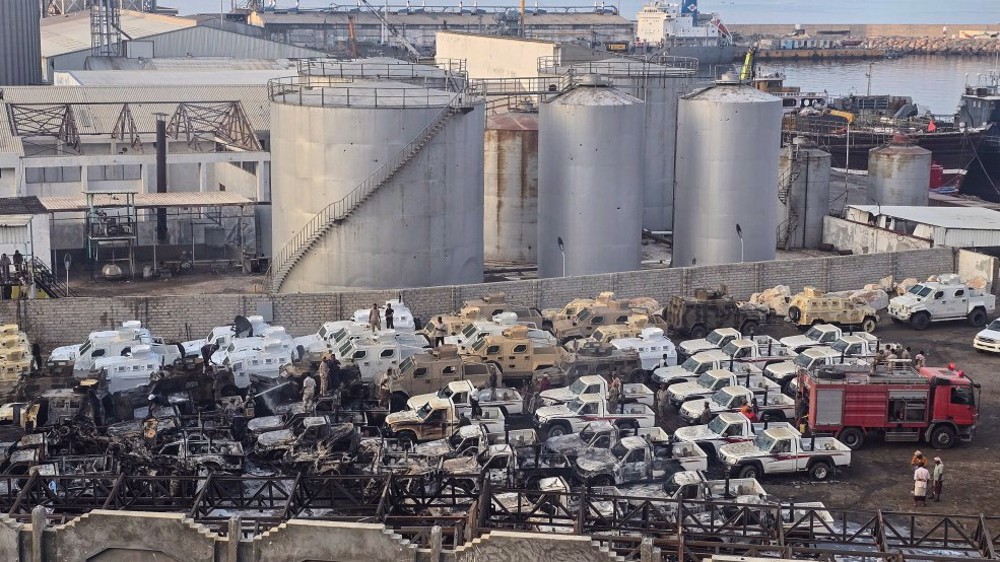
The United Arab Emirates has called for “restraint and wisdom” following Saudi Arabia's airstrikes on Yemen's port city of Mukalla.
In a statement released on Tuesday, the UAE's Foreign Ministry rejected Saudi claims that it had supplied weapons to the Southern Transitional Council (STC), a separatist group allied with the UAE that recently made territorial gains in Hadramout governorate.
While the UAE admitted to sending armored vehicles, it said that they were intended for its own forces, without providing further details.
According to a military statement from Saudi Arabia, the airstrikes targeted military vehicles and weapons that arrived aboard ships from Fujairah, a port on the UAE's eastern coast.
Saudi Arabia warned that it perceived the actions of the UAE as “extremely dangerous.”
The UAE issued another statement on Tuesday, agreeing to withdraw its remaining forces from Yemen following a 24-hour deadline set by Saudi Arabia.
The UAE's defense ministry said the decision would end the presence of “counterterrorism units” in Yemen.
It said the vessels had deactivated their tracking systems and unloaded arms and combat vehicles for the STC, deeming it an “imminent threat” to peace and stability.
“Considering that the aforementioned weapons constitute an imminent threat, and an escalation that threatens peace and stability, the Coalition Air Force has conducted this morning a limited airstrike that targeted weapons and military vehicles offloaded from the two vessels in Mukalla,” the statement said.
Footage aired by Saudi state television, reportedly captured by surveillance aircraft, appeared to show the movement of armored vehicles from the ships at Mukalla port to inland staging areas.
It was not immediately clear whether the strikes caused casualties.
The escalation follows days of rising tensions between Saudi Arabia and the UAE over the STC’s advance in eastern Yemen.
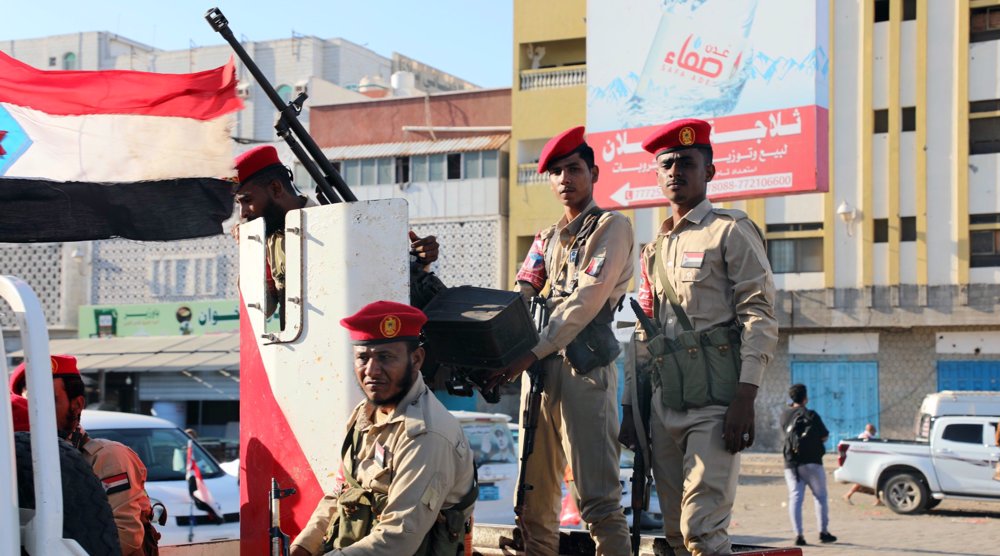
Saudi-aligned factions demanded the withdrawal of Emirati forces within 24 hours, while the STC and its allies expressed support for the continued presence of UAE forces.
Analysts have cautioned that this confrontation could lead to a new front in Yemen's decade-long conflict.
"I expect a calculated escalation from both sides," stated Mohammed al-Basha, a Yemen analyst and founder of the Basha Report, noting that Saudi control of Yemeni airspace may restrict future arms deliveries to the STC.
In March 2015, Saudi Arabia and the UAE launched a devastating war against Yemen to reinstall the overthrown government of Abd Rabbuh Mansur Hadi in Sana’a and crush the popular Ansarullah movement.
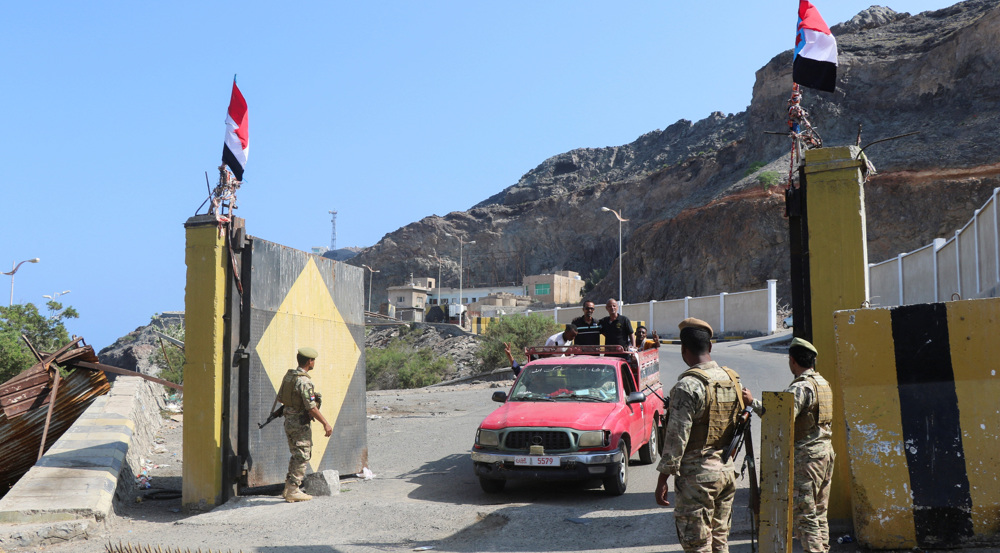
Although acting as allies against Sana’a, the ousted Saudi-backed government and the UAE-backed southern separatists have been engaged in a power struggle in south Yemen.
The STC separatist group had seized Aden and other southern areas before Riyadh brokered a power-sharing deal to focus its feuding allies on the battle against the Sana’a government, controlled by the popular Ansarullah movement.
As a result of the conflict in South Yemen, public services have been crippled, with frequent power outages that disrupt the distribution of water, aid supplies, and medical services, in addition to unemployment and high inflation.
Ansarullah: Lebanon-Israel framework agreement meant to destroy resistance
Al-Houthi: Iran's 'great victory' over US is triumph for resistance axis
Yemeni govt. plans operations to break 11-year-long blockade



Iran clinches 2026 CAFA Women's Futsal Championship
Israel keeps bombing Lebanon, prepares for long occupation
Mission unaccomplished – IV: Iran’s missile arsenal the US could neither destroy nor negotiate away
Taremi blasts FIFA after VAR heartbreak leaves Team Melli's knockout hopes hanging
Legal experts warn Lebanon-Israel deal could block justice for war crimes victims
Ansarullah: Lebanon-Israel framework agreement meant to destroy resistance
Araghchi honors Sardasht chemical attack victims, hails city as symbol of Iran’s resilience
Iran offers condolences, aid to Venezuela after deadly earthquakes



 PressTV NEWSLETTER
now
PressTV NEWSLETTER
now
 This makes it easy to access the Press TV website
