Iran’s polymer revolution and tackling plastic pollution
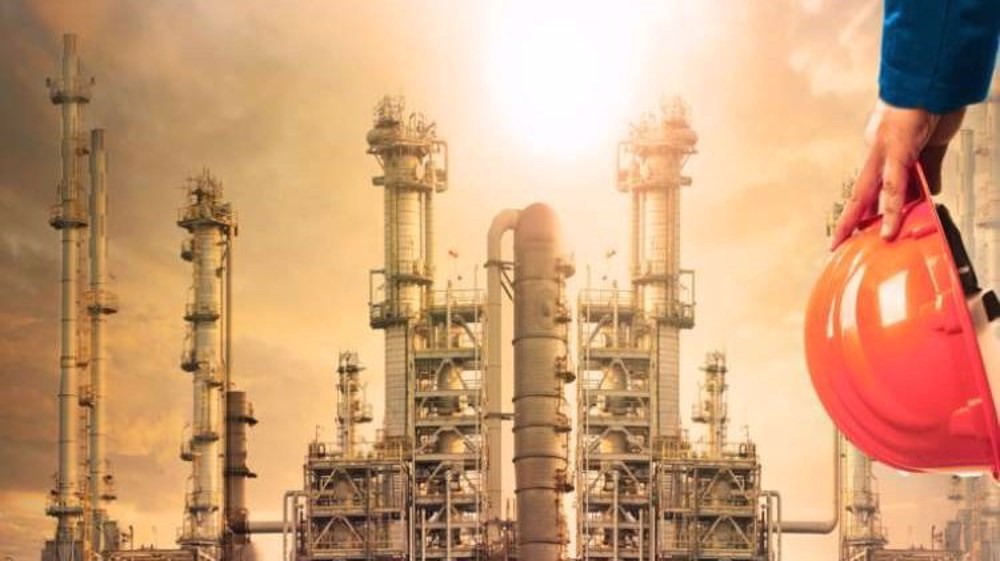
As global markets increasingly prioritize environmental efficiency and sustainable materials, Iran’s petrochemical sector is focusing more on reducing waste and reusing materials to create a more sustainable industry.
At the conference titled “Plastic Pollution Crisis: Challenges and Emerging Opportunities” in Tehran Saturday, officials and industry experts outlined Iran’s evolving strategy to mitigate plastic waste and shift from raw chemical production to higher-value polymer outputs.
The country’s current installed petrochemical capacity stands at approximately 100 million tonnes per year, with plans under the Seventh Development Plan to increase this figure to 130 million tonnes.
However, polymers currently represent only about 10 percent of this output, roughly 10 million tonnes annually. This relatively small share means Iran misses out on the higher profits associated with polymers.
Basic chemicals such as methanol sell for around $300 per tonne, while polymers made in Iran fetch closer to $1,000 per tonne.
More advanced polymers produced in developed countries, designed to be environmentally friendly and compliant with stricter regulations, command prices of around $2,000 per tonne.
Increasing polymer production, especially recyclable types, offers Iran clear economic benefits while opening access to export markets that are increasingly demanding sustainable materials.
Iran’s existing infrastructure, including interconnected refineries and petrochemical plants, puts it in a strong position to expand polymer capacity using domestic resources.
The conference also underscored the strategic role of waste management and recycling in reducing plastic pollution. Speakers pointed to mechanical and chemical recycling as two areas with high potential for industrial development.
Mechanical recycling, already partially deployed in some Iranian cities, allows certain types of post-consumer plastics to be reprocessed into usable material.
Chemical recycling, while more expensive to set up, can break down mixed or dirty plastics into basic building blocks or fuel, allowing these materials to be reused in making new products.
These recycling methods, apart from environmental benefits, provide economic advantages. They reduce Iran’s dependence on hydrocarbons and petrochemical feedstocks, lower costs, extend the life of the country’s oil and gas reserves, and make the sector less vulnerable to global energy price fluctuations.
Iran possesses considerable expertise in chemical engineering, catalysis, and process optimization—all crucial for developing advanced recycling technologies and producing high-quality polymers.
Several universities and research institutions are already active in polymer science and environmental engineering, offering a strong knowledge base to foster innovation in waste management and materials science.
Despite this potential, Iran faces challenges in waste collection and segregation, particularly in its urban centers where plastic waste is generated in large quantities, especially from packaging and single-use products.
Effective recycling depends heavily on proper waste segregation and collection infrastructure, which remains underdeveloped in many areas.
The conference highlighted the need to improve municipal waste management systems, with some cities running pilot projects focused on waste separation that could serve as models for broader application.

A promising development is the recent signing of agreements with eighteen cement factories nationwide to use refuse-derived fuel (RDF)—processed municipal waste that can replace traditional fossil fuels in industrial processes.
This marks a shift from small pilot projects to broader industrial adoption of waste-to-energy solutions across Iran.
Crucially, Iran's municipal waste management agencies and private recycling companies already operate in most provinces, creating a foundation on which more efficient systems can be built.
The conference addressed recent developments in the Intergovernmental Negotiating Committee (INC) process under the UN, which seeks to develop a legally binding treaty on plastic pollution.
Plastic pollution challenges have not been caused by developing countries such as Iran but largely by developed countries that have historically produced significant amounts of polymers and plastics. Therefore, all parties share responsibility for addressing this global issue.
Iran and similar countries also face challenges linked to illegal Western sanctions, which restrict access to technologies that could improve environmental outcomes.
A global plastic treaty should be founded on the transfer of technologies for recycling and waste management, with developed countries bearing the greatest responsibility for the plastic pollution crisis and thus a greater commitment to addressing it.
Lifting sanctions and trade restrictions is essential for Iran and similar nations to fully meet their environmental commitments.
With international market access partially restricted, Iran has sought to localize more of its technology base, including in process equipment, catalysis, and advanced polymer synthesis.
This localization effort has reduced certain dependencies while supporting the development of domestic capacity in polymer science.
Iran’s proven ability to develop large petrochemical projects amid complex geopolitical and economic conditions shows a degree of resilience and adaptability.
The current situation where the bulk of Iran’s petrochemical output remains in low-margin commodities represents both a challenge and an opportunity.
By expanding its polymer capacity and investing in material recovery, Iran can create a more diversified, resilient, and environmentally aligned industrial base.
In doing so, the country not only addresses plastic pollution but also strengthens the long-term competitiveness of one of its most vital non-oil sectors.

Small reactors: Iran's energy future beyond enemy’s reach
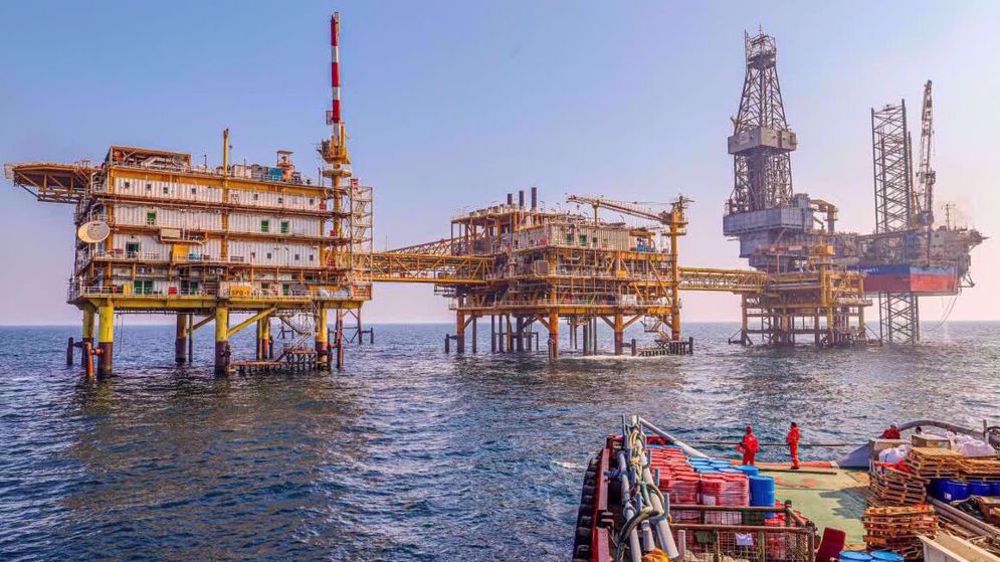
Iran restores gas output at three South Pars platforms after Israeli strikes
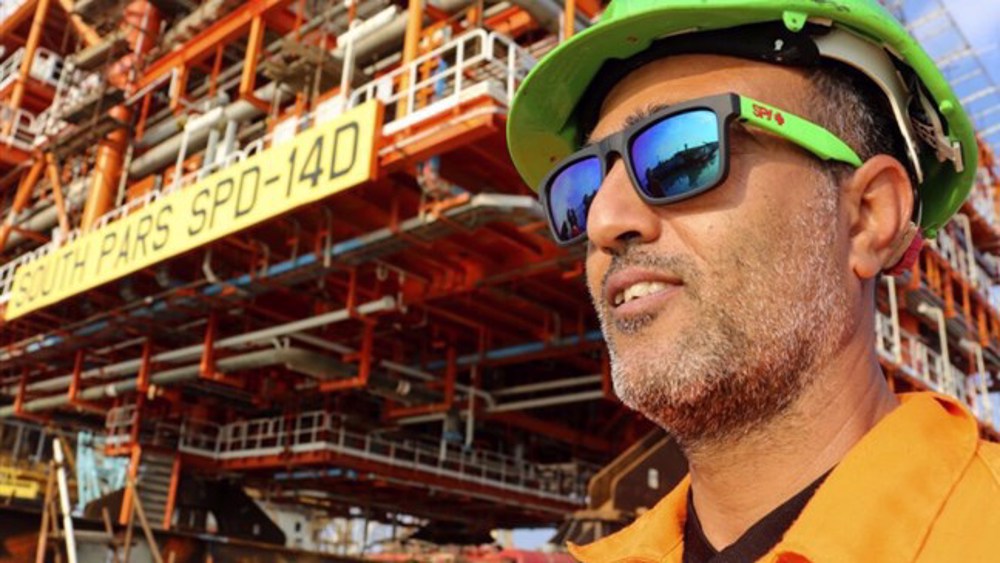
Iran’s energy giant restores rhythm after US-Israeli terror



Lebanese army colonel, troops killed in Israeli air raid despite ceasefire
Gaza journalists recount abuse, interrogations in Israeli detention
VIDEO | World is reeling financially in ways
Do not trade Resistance for empty promises: Leader’s advisor
US denies visas to Iranian football staff despite hosting duties
Putin says he saw ‘no provocation’ from Iran before US-Israeli war
Kuwait jails TV presenter for supporting Iran amid US-Israeli onslaught
VIDEO | Ceremony honors Minab school children martyred in US-Israeli strike


 PressTV NEWSLETTER
now
PressTV NEWSLETTER
now
 This makes it easy to access the Press TV website
