Iran defeating sanctions for decades since Islamic Revolution victory
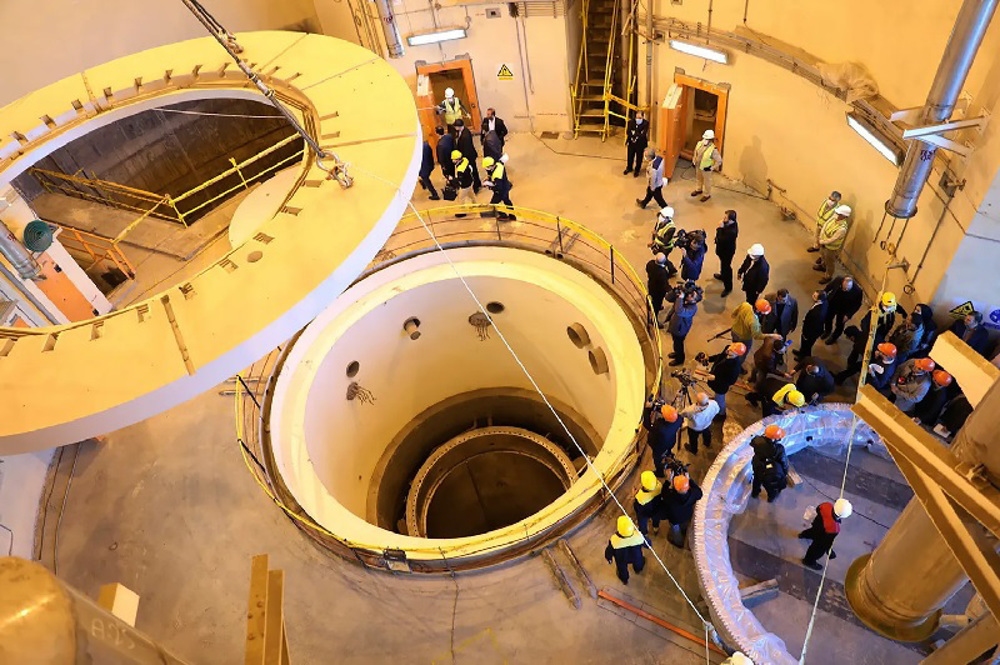
After the 1979 Islamic Revolution, Iran became one of the most heavily sanctioned countries in the world, subject to multiple layers of international sanctions imposed by the United Nations, the United States, the European Union, the United Kingdom, and other countries.
These sanctions differ in scope and false accusations that range from nuclear proliferation concerns to human rights abuses and support for resistance groups, and have been in place in various forms for many years and, in some instances, decades.
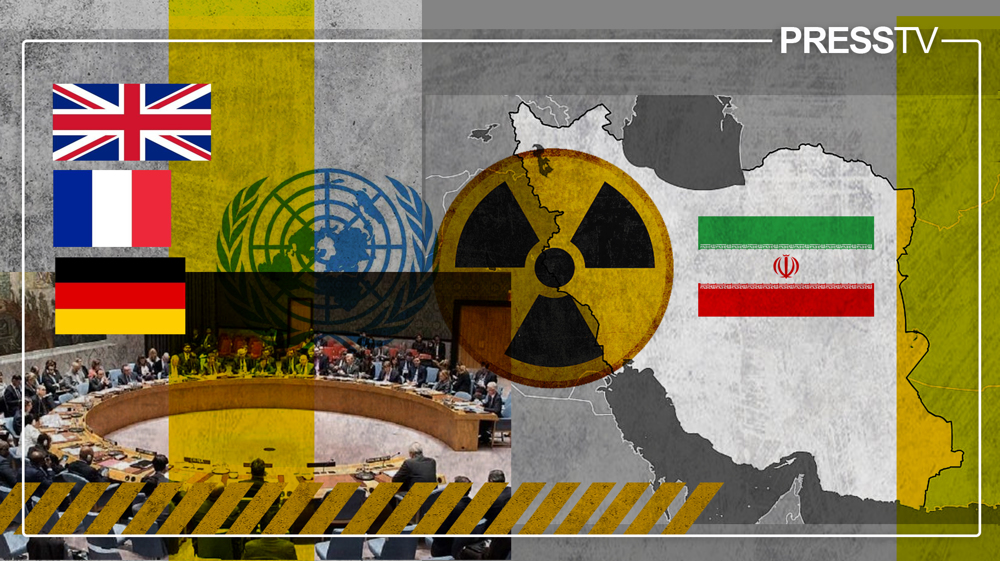
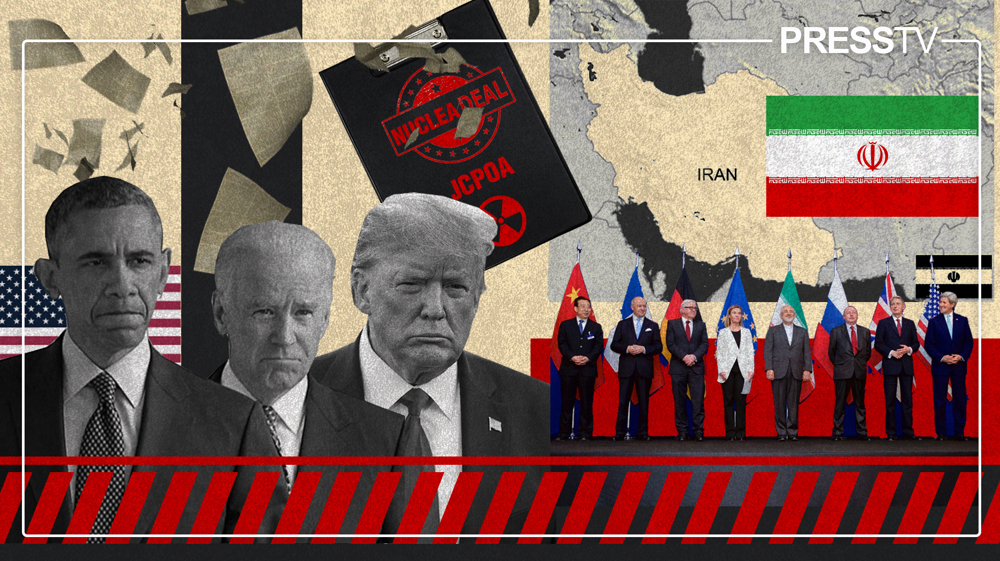
The United Nations sanctions were originally imposed between 2006 and 2015 over Iran's nuclear program, including multiple UNSC resolutions. Those sanctions were largely lifted under the 2015 nuclear deal, JCPOA.
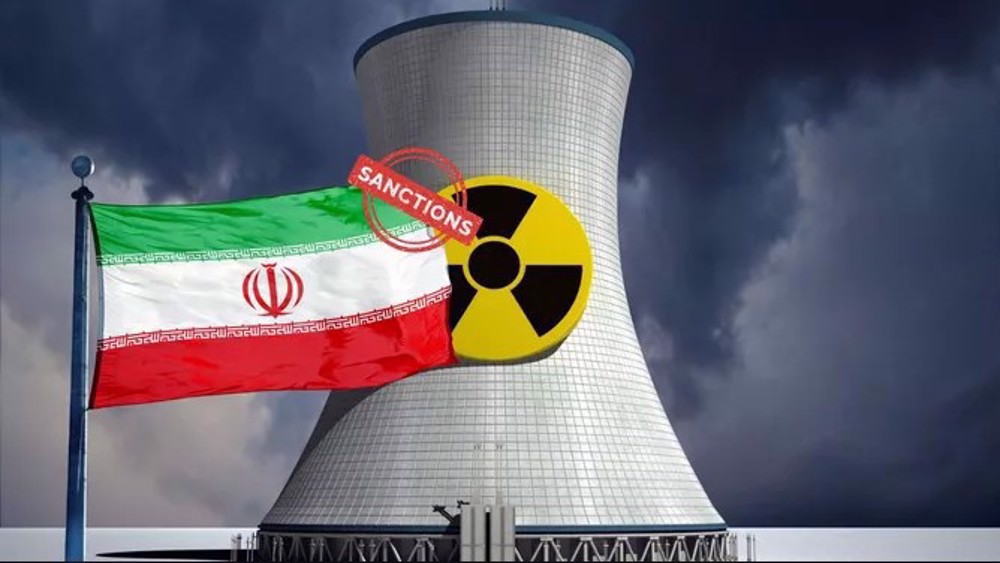
In 2025, the 'snapback mechanism' was triggered by the UK, France and Germany, leading to the automatic re-imposition of those UN sanctions, including an arms embargo, a ban on nuclear-related technology and materials; asset freezes, travel bans, and, financial restrictions.
One of the fruits of the Islamic Revolution of Iran was the resistance economy, aimed at making the country less vulnerable to sanctions.
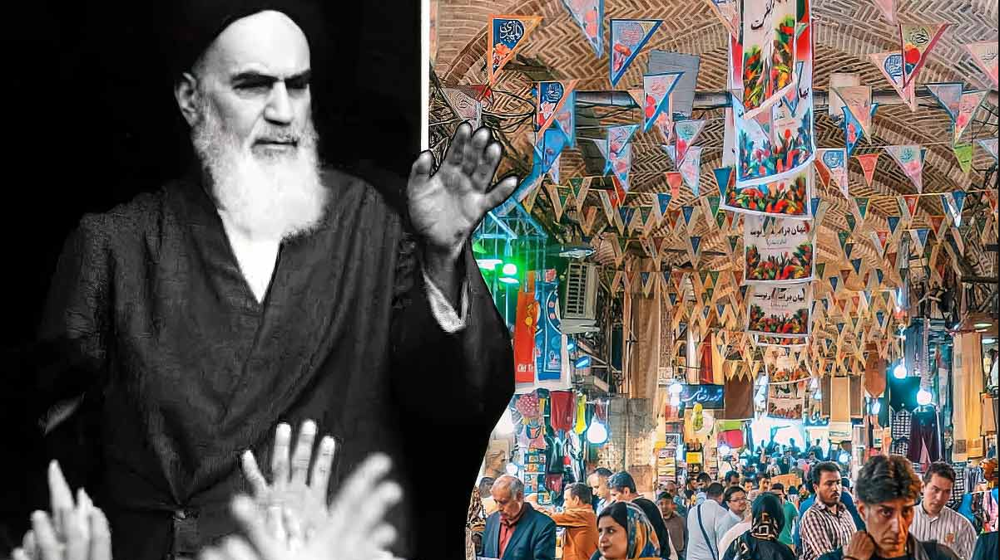
Diversification away from oil was a key pillar with a push toward manufacturing, agriculture, knowledge-based industries and regional trade.
Statistics clearly show the advancements of the Islamic Republic of Iran mainly as a consequence of the illegal US and Western sanctions,
In all six criteria examined, the statistics of the Islamic Republic are far better than the Pahlavi regime era, from GDP growth to the poverty rate, the literacy rate, share of oil in the country's income, and. life expectancy.
Iran's industries, when it comes to raw materials, have seen a massive jump in areas like steel, cement, aluminum, copper and electricity.
When it comes to energy, Iran provides its people with the lowest priced electricity in the world. It even exports electricity to neighbors that face electric shortages, like Iraq, whose power infrastructure has been devastated due to the US bombardment of the country.
The past months have been very special for the Islamic Republic when it comes to its military advancement, since there have been many breakthroughs thanks to the use of AI by the military.
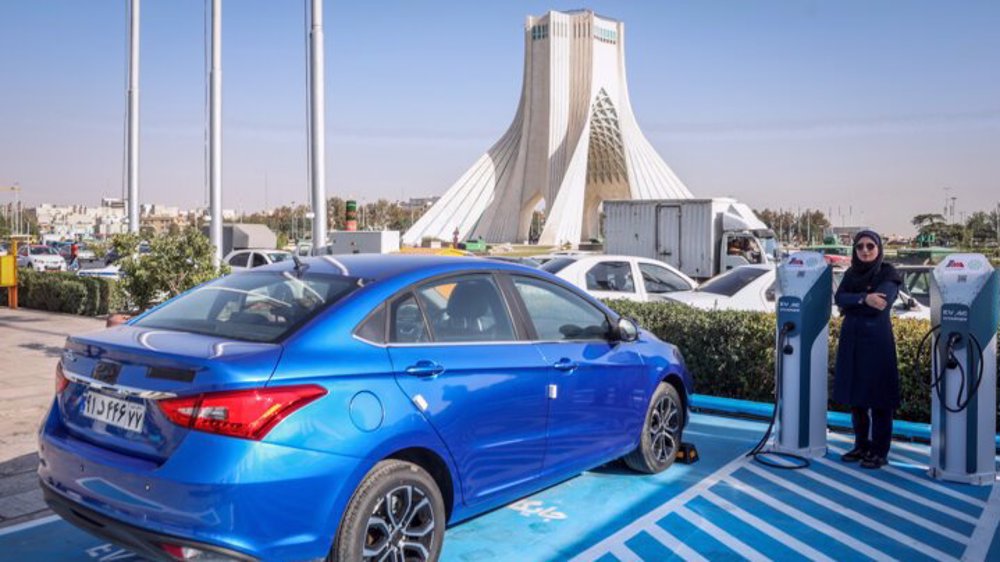
What is remarkable about this, compared to the Shah's regime, is that almost everything is domestically manufactured, since the Islamic Republic is under the harshest US and Western sanctions,
Finally, the biggest prize of the Islamic Revolution, ranking highest perhaps among all of the other assets of the Islamic Republic, is the manpower and talent it possesses.
The record number of citizens with university degrees has propelled the Islamic Republic into different industries, as reflected in the global rankings, especially when it comes to Iran's national pride; its civilian nuclear industry.
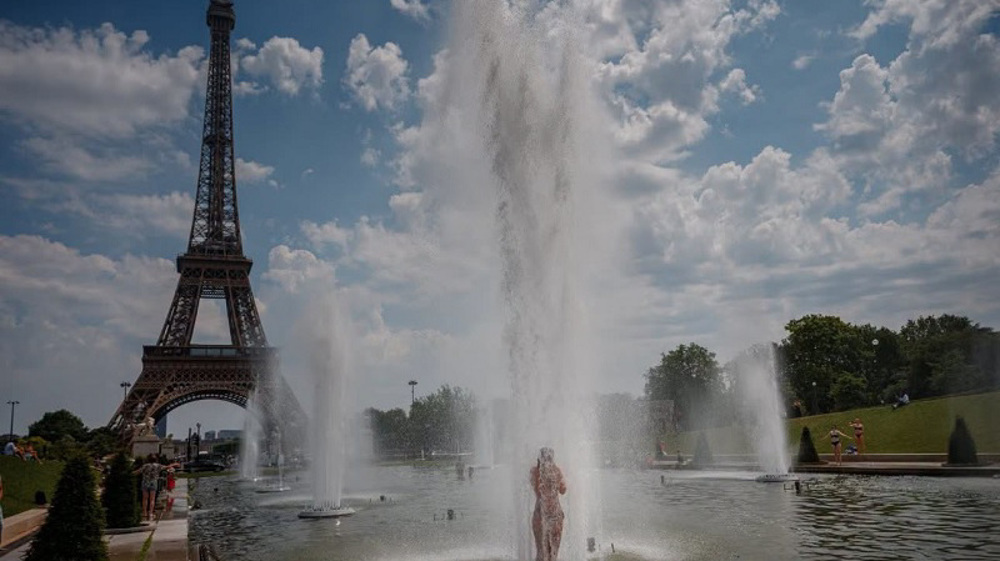
Heat wave claims over 1,000 lives in France

Trump criticized Spain for not meeting NATO spending targets
Severe impact of war against Iran on EU economy


VIDEO | Beijing applauds Iran sanctions waiver, reaffirms energy security stance
VIDEO | Iran's Embassy in Madrid hosts Shia-Christian interfaith dialogue
Qatar announces conclusion of Doha talks with Iranian, US delegations
Jellyfish in the sky: How Iran's ‘alien-like’ drone swarm rattled US military intelligence
Israel ships 1-ton military consignment to Somalia under UN designation: Report
Beyond the results: Iran's resilient 2026 World Cup campaign in the face of adversity
VIDEO | Iranian scholars reveal reality behind American human rights claims
VIDEO | Ceremony in Gaza honors children for memorizing Holy Qur’an



 PressTV NEWSLETTER
now
PressTV NEWSLETTER
now
 This makes it easy to access the Press TV website
