Iran’s indigenous missiles demonstrated strategic effectiveness against Israel: Analyst
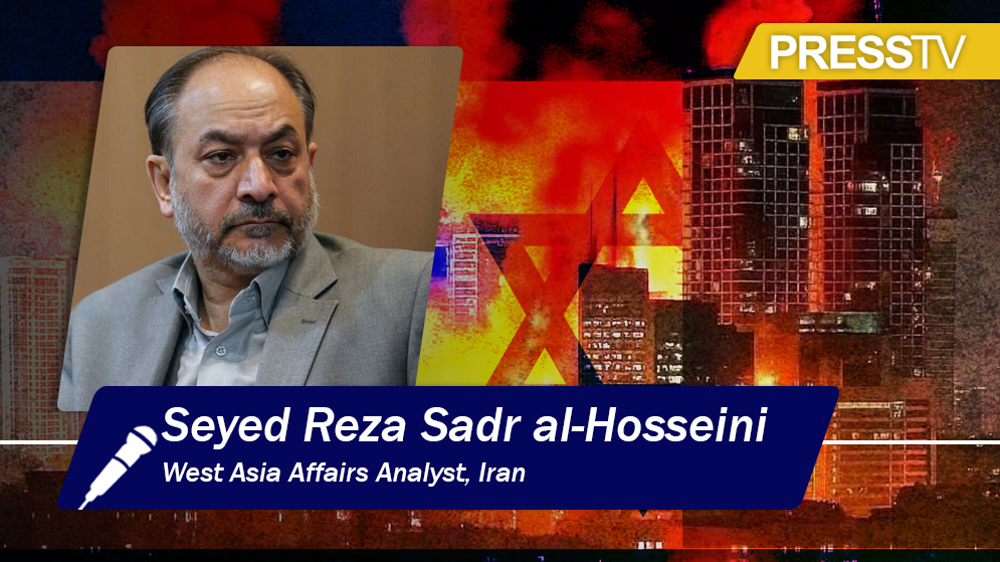
By Alireza Hashemi
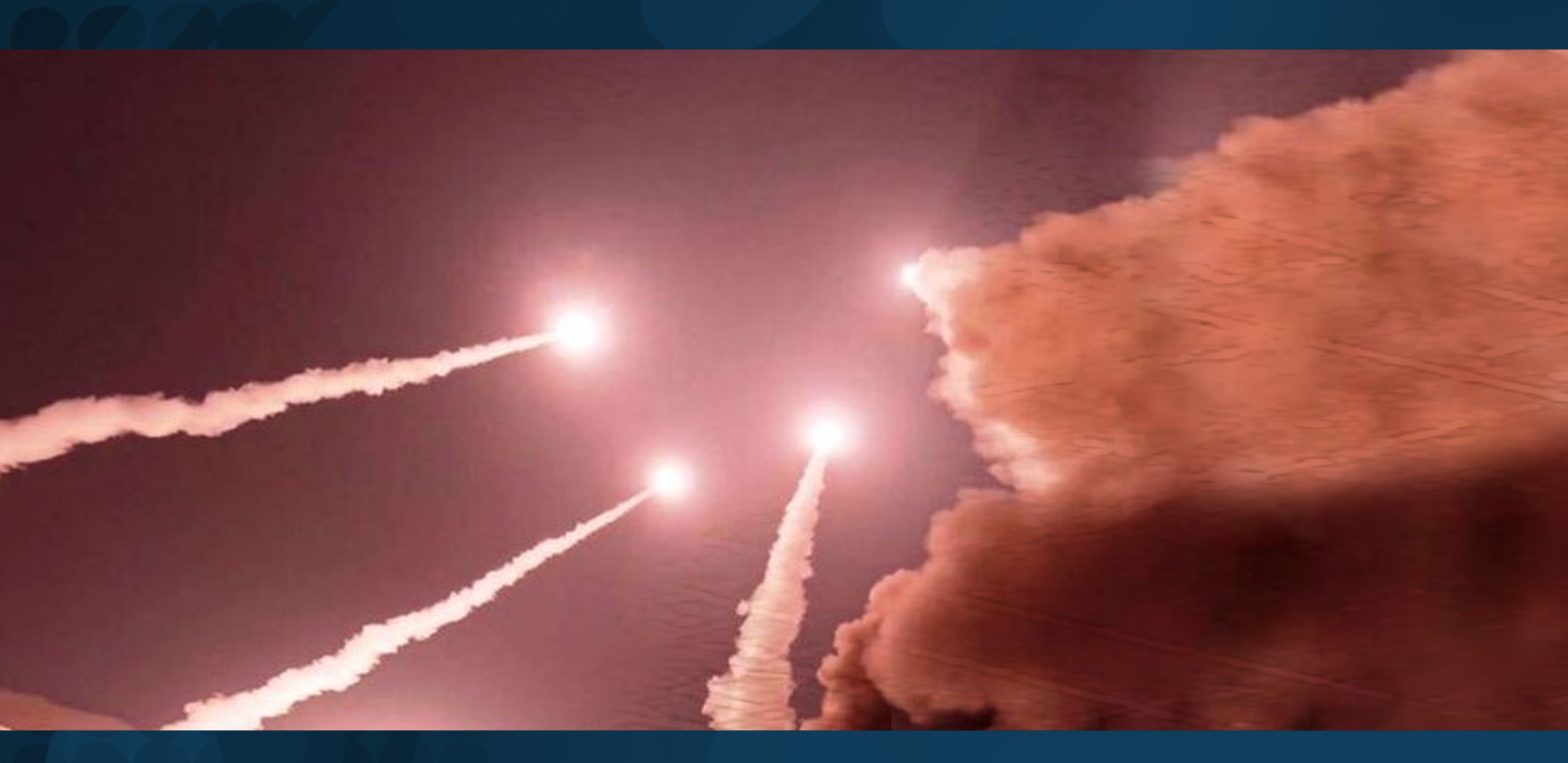
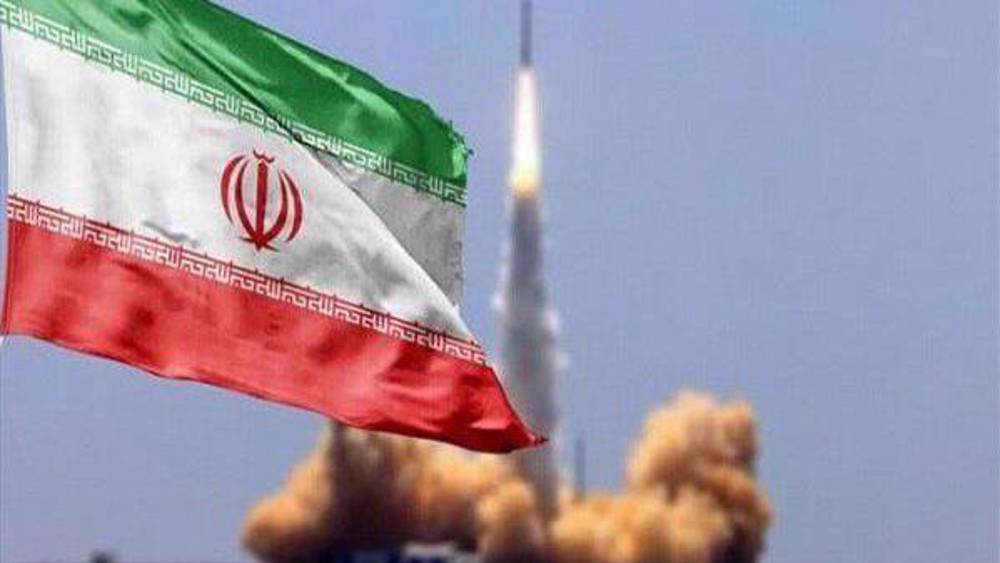
Iran’s armed forces, led by the Islamic Revolution Guards Corps (IRGC) Aerospace Force, demonstrated the strategic effectiveness of their domestically built missile systems during the recent Israeli-imposed war, shifting the balance in their favor, according to an analyst.
Reza Sadr al-Hosseini told the Press TV website in an interview that the Iranian retaliatory operations “created a significant surprise among political, military, and security observers.”
According to Sadr al-Hosseini, the success of these operations decisively nullified long-standing propaganda from Israeli and Western media, proving that Iran’s missile program is a critical pillar of its defense strategy.
He noted that prior to the True Promise I and True Promise II operations, Israeli and Western media had mocked Iran’s missile systems, dismissing them as "photoshops."
However, the first, second, and third rounds of the True Promise operations silenced these detractors, delivering irreparable damage to Israel’s much-hyped military infrastructure.
“The final missile strikes, launched just twelve hours before the ceasefire, further imposed Iran’s will on Israeli leadership,” he stated.
Sadr al-Hosseini said this achievement was the result of “two decades of preparation,” during which Iran upgraded its defense doctrine based on surveillance of the capabilities of its primary adversaries – the United States and Israel
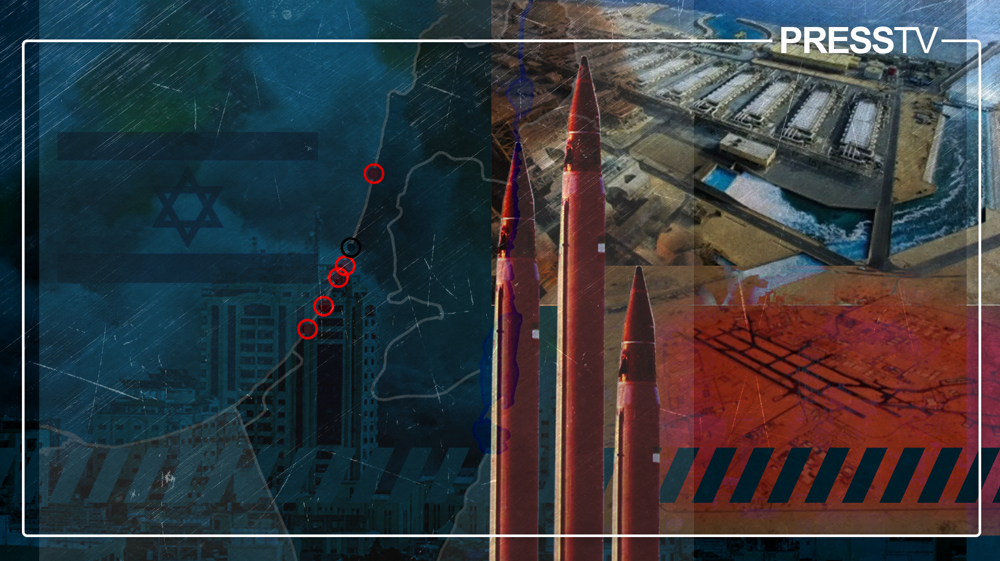
▶️Iran's True Promise 3 and the Myth of Israel's Invincibility
— Press TV 🔻 (@PressTV) June 25, 2025
Follow: https://t.co/mLGcUTS2ei pic.twitter.com/68LilO8Il0
The Iranian analyst also rejected claims by Israeli officials and former US President Donald Trump that Iran’s nuclear and military facilities had been destroyed.
“If these claims were even remotely true, there would not have been a conflict between Trump and his critics in Congress, the Pentagon, and opposition groups over the damage supposedly dealt to Iran’s nuclear capabilities,” he noted.
The lack of a consistent narrative in Western media and among strategic experts, he added, further undermines these assertions.
“If Iran’s capabilities were truly eliminated, why would Trump push for new negotiations? Negotiations about what? If everything were destroyed, what is left to discuss?”
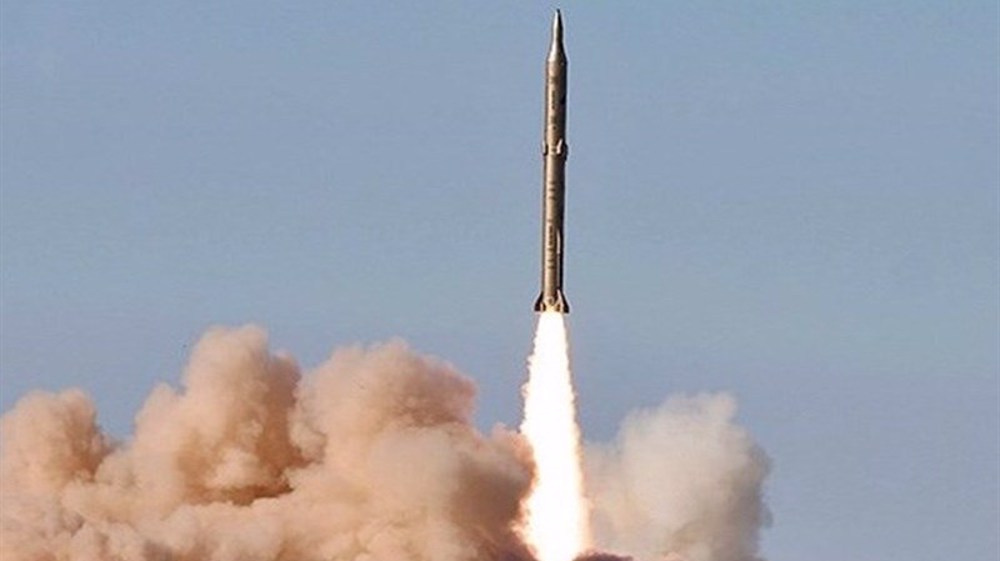
At the heart of Iran’s resilience in the nuclear and missile sectors is the indigenous nature of its missile program.
Sadr al-Hosseini emphasized that because these capabilities are developed domestically, they are impervious to external threats or destruction.
“This resilience was evident in the IRGC’s final surprises before the ceasefire, demonstrating the armed forces’ readiness to confront aggression,” he said.
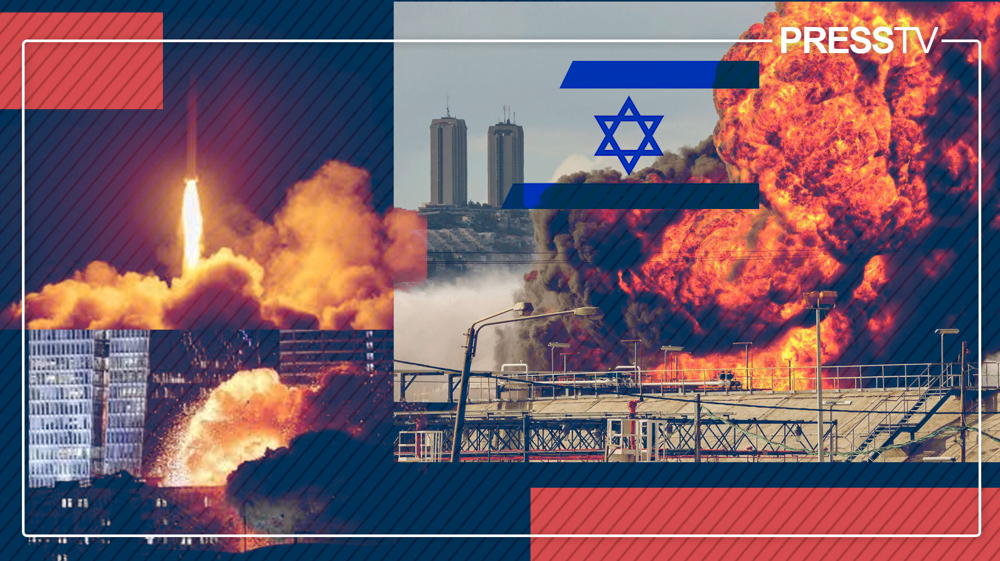
✍️Viewpoint - How Op. True Promise III cemented Iran’s status as global military power
— Press TV 🔻 (@PressTV) June 22, 2025
By Mohammad Molaeihttps://t.co/3PcmDlYAXw
He also dismissed claims of foreign arms transfers to Iran as “nothing more than a psychological operation by Western intelligence services,” reaffirming that Iran’s defensive power is entirely self-reliant.
Regarding future talks with the US and European countries over Iran’s nuclear program, Sadr al-Hosseini said Tehran has never rejected dialogue and remains open to it, provided there is a clear subject, defined scope, set timeline, and a credible counterpart.
Iran demonstrated its sincerity through five rounds of indirect negotiations with the US, addressing mutual interests, and through continued engagement with European officials.
Yet, for now, “neither dialogue with the Americans nor with the Europeans will resume quickly,” he added.
This pause also applies to Iran’s cooperation with the International Atomic Energy Agency (IAEA), which was pushed by the Iranian parliament following the UN nuclear agency’s indifference to Israeli and American aggression against Iran’s peaceful nuclear sites.
“Following a recent law passed by the Iranian parliament, Iran has reduced its level of engagement with the IAEA while remaining a member. The law mandates a more precise and measured approach to expert discussions regarding its peaceful nuclear activities,” Sadr al-Hosseini stated.
Continued US aggression against Iranian territory proves military strength is the sole deterrent: MP
US renewed attacks on Iran after being shaken by mass funeral for martyred Leader: Analyst
Martyred Leader’s massive Iraq funeral showed Iran-Iraq unity, dealt blow to US plots: Analyst



VIDEO | 'Regional politics are being redefined by the Iran confrontation': Journalist
Israeli strikes kill eight more Palestinians attending Gaza funeral
Yemen vows to deal severe blow to Saudis if meddling continues
Exclusive: No enemy strike hit Bushehr nuclear plant; media claims unfounded
IRGC shoot down AeroVironment RQ-11 drone in south Iran
VIDEO | Press TV's news headlines
Russia, China reject Trump's claim of their interference in US elections
IRGC Navy: US naval units under full Iranian watch, nearing 'zero hour'


 PressTV NEWSLETTER
now
PressTV NEWSLETTER
now
 This makes it easy to access the Press TV website
