South Korea reports no new MERS cases in 9 days

South Korea has cautiously reported no new cases of, or deaths from Middle East Respiratory Syndrome (MERS) for the first time in nine days.
South Korean officials, however, warned Monday that there was no indication yet that the deadly virus’s outbreak had been brought under control.
The warning came after developments at a hospital in eastern Seoul, the South Korean capital, showed a MERS patient who had been in contact with thousands of people before being diagnosed on June 22 and dying two days later.
"This week falls within the incubation period involving that case, so we are keeping a close eye on the situation and will do our best to prevent further spread of the virus," Kwon Duk-Cheol, a senior Health Ministry official, told reporters.
According to official figures in the fourth-largest economy of Asia, a total number of 182 people have been infected with the virus so far with 14 patients being in critical condition.
Despite the fact that the pace of the outbreak seems to have slowed, the South Korean Health Ministry said on Sunday that a 55-year-old man has fallen victim to MERS in the country, raising the death toll from the deadly epidemic to 32.
The latest victim had contracted the illness at Samsung Medical Center in Seoul, which is the epicenter of the outbreak, and was diagnosed on June 9. About 90 patients, visitors and medical staff have been infected in the medical center.
The latest death, meanwhile, has brought the MERS mortality rate to 17.5 percent in South Korea, up from 15 percent a week ago and 10 percent two weeks ago.
The number of new patients has generally been declining since mid-June, when it often jumped by double digits.
A total of 93 patients have recovered and been released from hospital, including two on Sunday, while a total of 2,682 people are currently under quarantine either in state facilities or at home.
South Korea has been grappling with the fatal epidemic since May 20, when a 68-year-old man was found infected with the disease after returning from Saudi Arabia, where MERS was first identified in 2012.
The Middle East Respiratory Syndrome is part of the corona virus family of viruses, which includes the common cold and SARS. It can cause symptoms including fever, breathing problems, pneumonia, and kidney failure. There is no known cure or vaccine available for MERS yet.
SF/NN/HRB
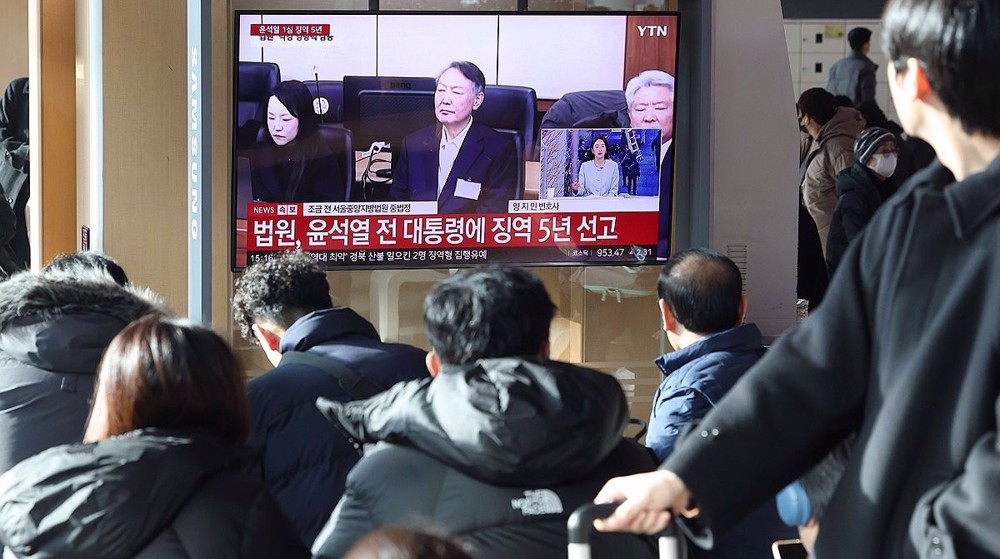
South Korean court sentences former president Yoon to five years in prison

South Korean prosecutors seek death penalty for ex-president Yoon
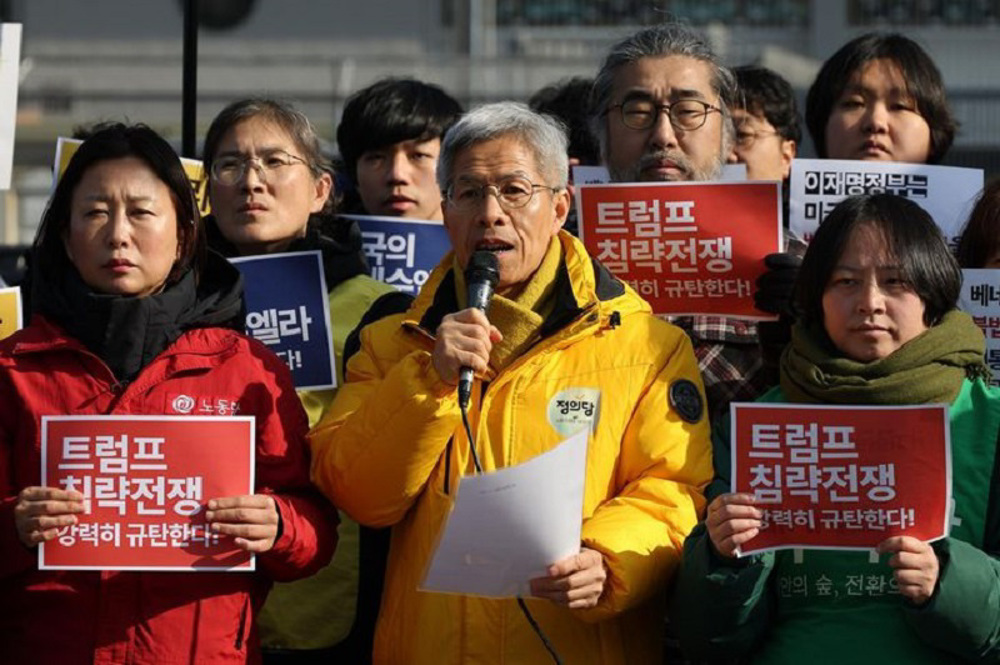
US imperial oil heist in Venezuela



Trump says 'feels no obligation' to pursue peace after Nobel Prize snub
Israeli military kills Palestinian teen in southern Gaza despite truce
Recent terrorist war on Iran similar to Israel’s pager attack on Lebanon: Qalibaf
VIDEO | Thousands rally in Kargil against US, Israel 'interference' in Iran
Hamas blasts ‘torture and brutality’ against Palestinian prisoners in Israeli jails
Truth as first casualty: Deconstructing disinformation campaign on Iran riots death toll
Surrender, humiliation have no place in our lexicon: Lebanese MP
VIDEO | Press TV's news headlines


 PressTV NEWSLETTER
now
PressTV NEWSLETTER
now

 This makes it easy to access the Press TV website
