Iran marks 39th anniversary of Sardasht chemical massacre, demands accountability from Western enablers
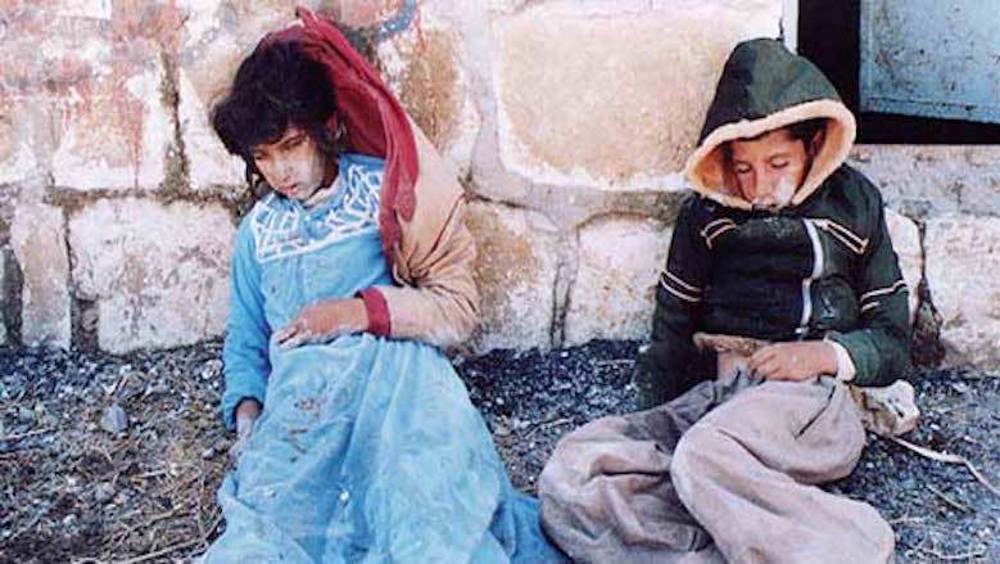
Iran has marked the 39th anniversary of the chemical bombing of Sardasht, one of the most horrific crimes of the 20th century, with a renewed call for justice against the perpetrators and their Western backers who supplied Saddam Hussein with the technology and political cover to commit mass murder.
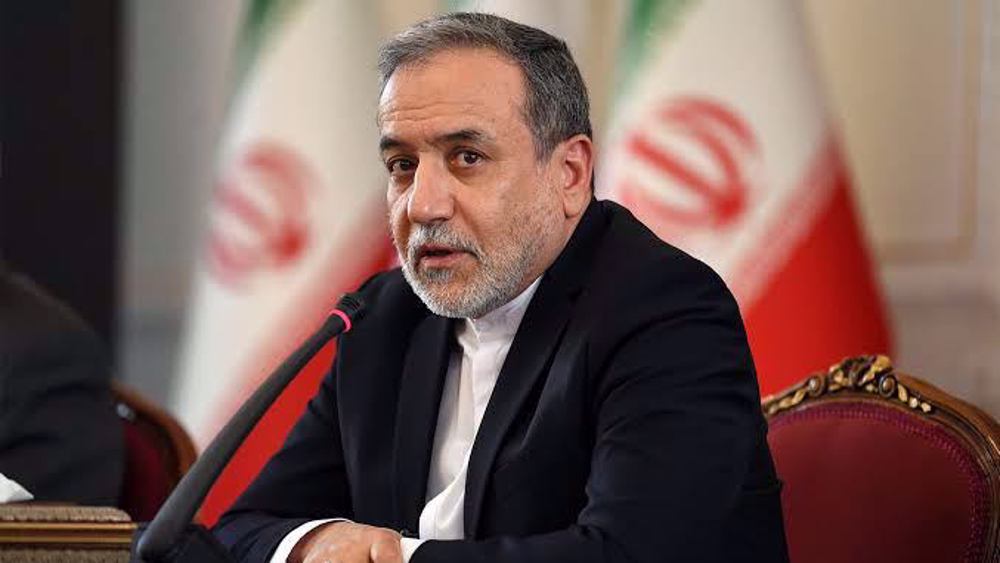
Foreign Ministry spokesman Esmaeil Baghaei issued a statement on Sunday, reminding the world that the 1987 attack on the defenseless city in western Iran was made possible by "technical and technological support, and more importantly, political backing" from Western countries, particularly Germany, the United States, Britain and France.
"Thirty-nine years ago today (July 7, 1987), the defenseless people of Sardasht fell victim to one of the most horrific crimes of the century through the use of chemical weapons," Baghaei wrote in a post on X.
He stressed that the crime could never have been committed on such a scale, and repeated throughout the eight-year imposed war, without the complicity of certain Western governments.
"The people of Iran, especially the noble people of Sardasht, and the countless soldiers and civilians who were targeted by these banned weapons, know the meaning of this tragedy better than any other nation," he said. "They will not forget how some Western countries, including the German government, justified their role in equipping Saddam's regime with chemical weapons under the deceptive label of 'technical and logistical assistance.'"
Double standards then and now
Baghaei drew a direct parallel between the Western justification for arming Saddam Hussein and the current US-Israeli war of aggression against Iran.
"Bitterly, the same rhetoric is being repeated today as a cover to justify cooperation in the commission of military aggression and war crimes by the American-Zionist alliance against the Iranian nation: 'technical and logistical support,'" he said.
The spokesman emphasized that Sardasht represents all Iranians in their quest for truth and justice.
"Sardasht, on behalf of all Iranians, continues to demand truth and justice," Baghaei wrote. "As long as all the commanders, perpetrators and supporters of this crime, including the suppliers of technology and equipment, do not accept responsibility and justice is not served against them, the Iranian nation and every free human being will continue to demand accountability."
On July 7, 1987, during the Iran-Iraq war, Iraqi aircraft dropped multiple chemical bombs on the city of Sardasht in West Azerbaijan province, killing over 100 people instantly and wounding more than 650 others.
Many of the survivors suffered long-term health complications, including respiratory diseases, blindness and cancers. The attack remains one of the deadliest chemical weapons assaults on a civilian population in modern history.
Iraq's chemical weapons program was built with extensive foreign assistance.
German companies supplied precursor chemicals and production equipment; British and French firms provided technology and expertise; and the United States, despite publicly condemning chemical weapons use, continued to provide intelligence and logistical support to Saddam's regime throughout the war.
Western governments have never fully acknowledged their role in enabling the massacre, and no meaningful accountability has been achieved.
The international community's failure to hold perpetrators accountable has been a recurring source of grievance for Iran, which has consistently called for justice for the victims of chemical warfare.
Iran FM spox praises national football team for defying pressures at World Cup
Iran FM holds meetings in Iraq ahead of funeral for martyred Leader
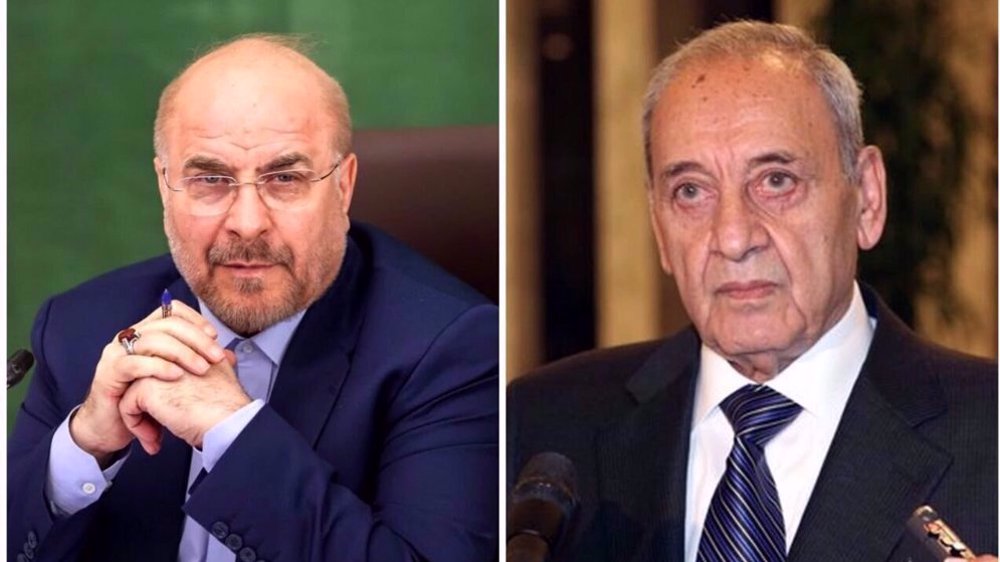
Iran seriously pursuing halt to Israeli war on Lebanon: Qalibaf


Trump sons stand to profit from US-Kazakhstan mining deal: US media
Iran FM holds high-level talks in Baghdad, urges collective regional security
VIDEO | Photo exhibition opens in Tehran to mark anniversary of Sardasht attack
Iran marks 39th anniversary of Sardasht chemical massacre, demands accountability from Western enabl
Iran FM spox praises national football team for defying pressures at World Cup
Mission unaccomplished – Part V: US war goal of Iran’s 'zero enrichment' produces zero results
Iran FM holds meetings in Iraq ahead of funeral for martyred Leader
Israel using sexual violence as weapon against Palestinians: Report


 PressTV NEWSLETTER
now
PressTV NEWSLETTER
now
 This makes it easy to access the Press TV website
