Iran's oil minister heads to India for BRICS summit as sanctions lift
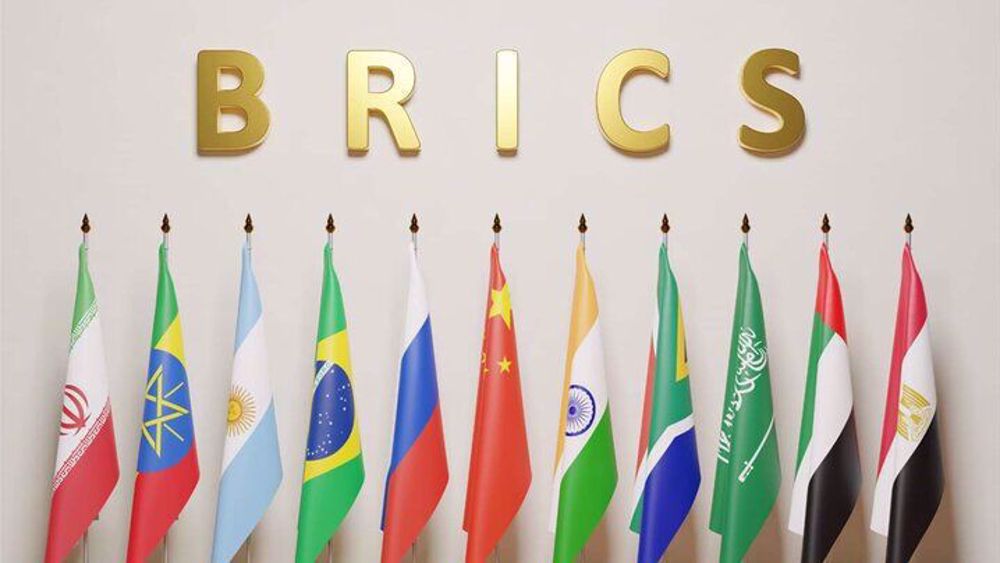
Iran's Petroleum Minister Mohsen Paknejad has departed for India to participate in the 11th BRICS Energy Ministers' Meeting in Gurugram, where discussions will focus on sustainable energy development and expanding cooperation among member states.
India was historically the second-largest buyer of Iranian crude oil after China until May 2019, when it halted purchases under pressure from the first Trump administration's re-imposed sanctions.
At its peak in 2018, Iran supplied some 620,000 barrels per day to India, worth nearly $48 million daily, with Iranian crude accounting for approximately 11.5 percent of India's total imports.
A draft memorandum of understanding between Tehran and Washington includes provisions requiring the US to suspend sanctions on Iranian oil exports and release frozen Iranian assets as a precondition for final negotiations.
Iranian officials, including Foreign Ministry spokesman Ismaeil Baghaei, have made it unequivocally clear that all primary and secondary sanctions must be lifted and money transfer channels must be re-established before any meaningful normalization can occur.
The US Treasury Department has issued a 60-day general license authorizing the production, delivery, and sale of Iranian crude, petroleum products, and petrochemicals through August 21, and the waiver notification explicitly allows payments to be processed in dollar-denominated funds.
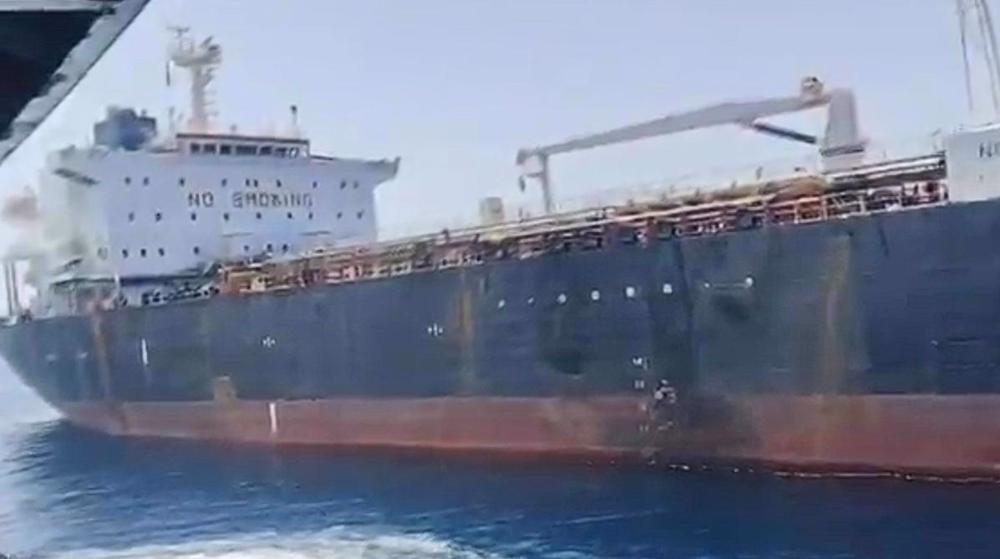
The US has also committed to removing its illegal naval blockade of Iranian ports. In the recent escalation in the Gulf of Oman, the US Navy attacked three Indian-crewed tankers in the span of three days in June 2026.
The US Central Command said it disabled the vessels after they allegedly violated the US naval blockade on Iranian ports by attempting to transport Iranian oil.
The strikes resulted in the deaths of three Indian sailors and forced the evacuation of dozens of other Indian crew members. The Indian government responded by summoning the deputy head of the US embassy in New Delhi to lodge a formal protest.
Iranian Ambassador to India Mohammad Fathali has expressed optimism that with the complete removal of sanctions, not only will Iranian oil exports to India resume, but bilateral trade will surpass previous peak levels and reach a scale commensurate with the true potential of the two countries.
The National Iranian Oil Company has already begun reaching out to Indian refiners and trading houses to resume commercial ties, with around 68 million barrels of Iranian crude and condensate sitting on tankers—much of it already in regional waters—available for immediate delivery to Indian ports within just two to three days.
As one senior Indian refinery executive put it, "Our teams are working to ensure that they are prepared to buy Iran's crude when it is available."
Given that many Indian refineries were originally configured to process Iranian crude grades and historically benefited from extended credit periods of 60-90 days and favorable freight economics, the resumption of shipments now appears not just possible but imminent.
Paknejad is scheduled to meet with India's Minister of Petroleum and Natural Gas, Hardeep Singh Puri, to discuss potential cooperation in oil, natural gas, refining, and petrochemicals.
Bilateral meetings with other BRICS energy ministers are also on the agenda. BRICS, which brings together eleven major emerging markets including Brazil, China, Egypt, Ethiopia, India, Indonesia, Iran, Russia, Saudi Arabia, South Africa, and the United Arab Emirates, has expanded its agenda from economic issues to encompass political and security cooperation, as well as cultural exchanges.
The 11th Meeting of BRICS Energy Ministers will be held on June 25-26 in Gurugram. India is now evaluating the potential return to Iranian oil purchases based on techno-commercial feasibility.
As one analyst noted, "Indian refiners retain the ability to re-integrate these barrels with minimal operational adjustments, supported by prior processing experience and established trading setups."
Iran tables draft for SCO energy consortium at Moscow meeting
Trump admits world had just ‘four weeks’ of oil left without Iran deal
US to waive sanctions on Iranian oil sales after signing MoU: Report



Iraqi resistance fighters launch anti-Daesh campaign in Karbala deserts
Inspections tied to final deal: Iran rules out IAEA access to nuclear sites
Erdogan: Israel actively working to sabotage Iran-US agreement
War minister: Israel won't leave south Lebanon even if requested by US
Iran tables draft proposal to establish SCO radio and TV union
Iran's Judiciary chief vows to prosecute US, Israel for war crimes
UK suppressed intel on Sudan genocide to protect UAE ties: Report
Starmer resigns as UK PM; another one bites the dust


 PressTV NEWSLETTER
now
PressTV NEWSLETTER
now
 This makes it easy to access the Press TV website
