Iran’s top commander warns US over ‘futile cycle’ of lies, contradiction
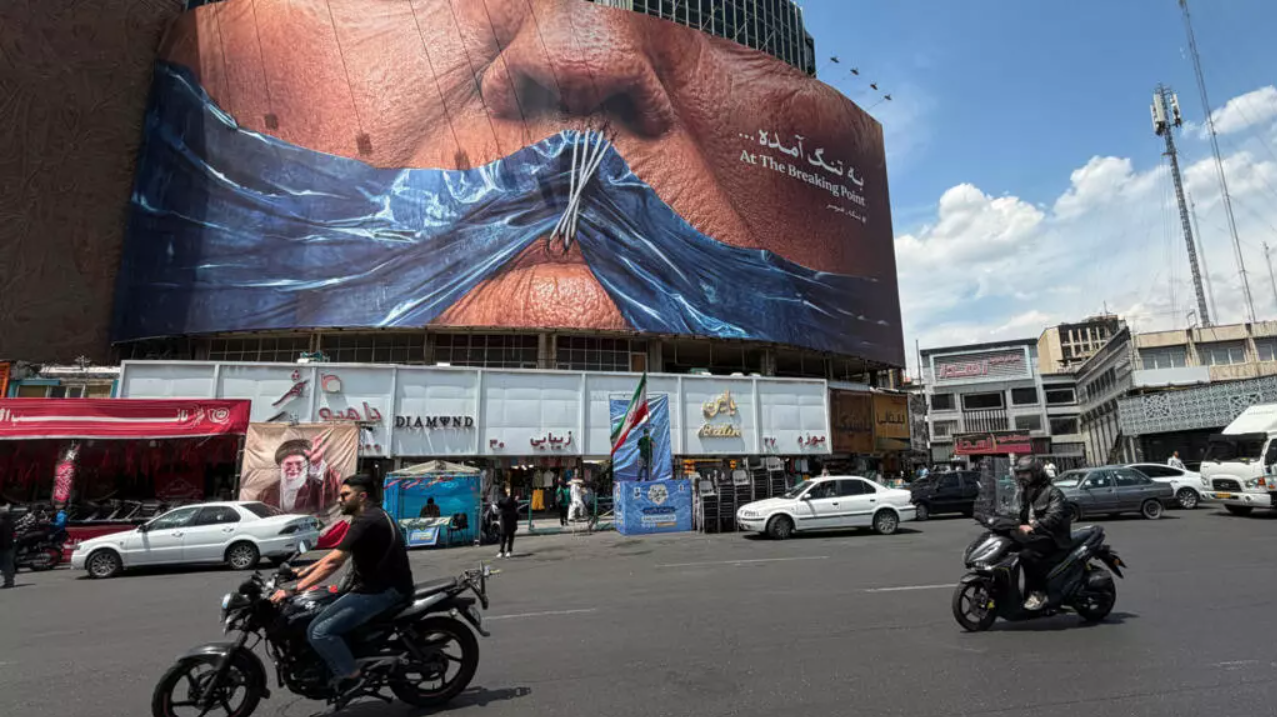
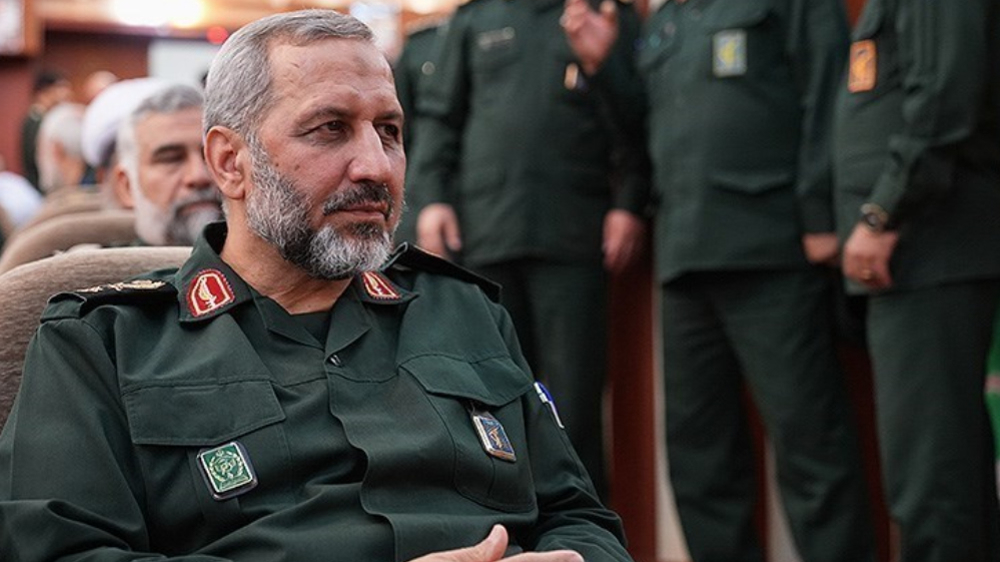
The commander of Iran's Khatam al-Anbiya Central Headquarters has warned the US over a "false and futile cycle" of lies and contradictions in its behavior, after Washington first threatened to strike Iranian energy infrastructure and then claimed negotiations had been approved.
"The United States, on one hand, speaks of agreement and negotiation, and on the other hand commits villainy," Major General Ali Abdollahi said in a statement on Thursday.
His warning came after President Donald Trump first threatened to "hit Iran VERY HARD TONIGHT" and seize Kharg Island, then hours later announced he had "cancelled the scheduled strikes and bombings against Iran," claiming negotiations had been "brought to the highest level of Iranian leadership and approved."
"This clear contradiction in America's behavior and words is the main cause of insecurity in the region and has jeopardized the security of international trade and economies, especially the Strait of Hormuz," General Abdollahi said.
On Wednesday night, the United States launched airstrikes on several locations in Iran's southern Hormozgan province, including the cities of Jask and Sirik and Qeshm Island in the Strait of Hormuz.
Trump declared on Thursday that "at some point in the not too distant future, we will be taking Kharg Island, and other oil infrastructure points, and assume total control of their Oil and Gas Markets", only to announce later he had cancelled planned bombings.
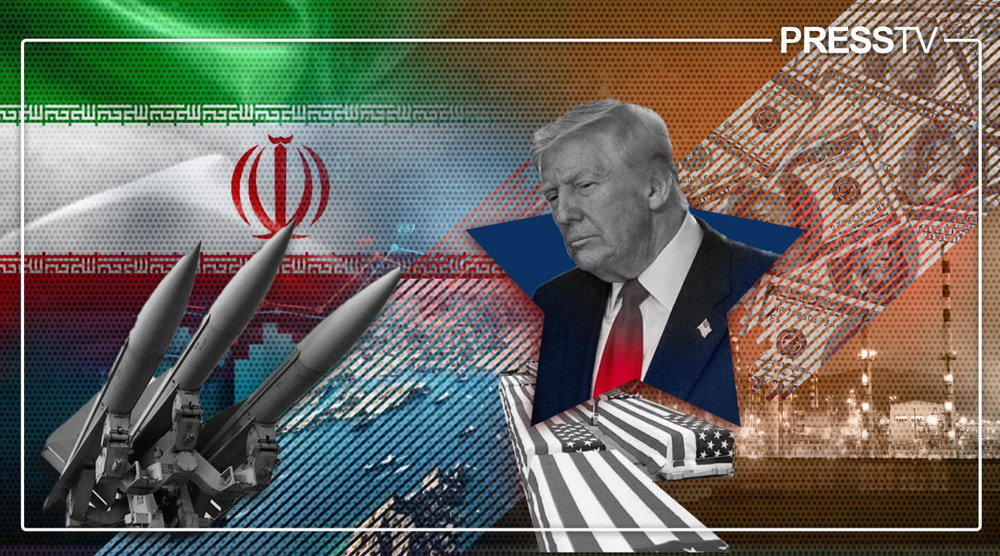
In Tehran, Fars news agency cited what it described as a source close to Iran's negotiating team as saying that no text of an initial memorandum of understanding with the US has been confirmed.
Abdollahi said US leaders, due to a "lack of proper understanding of the honorable and courageous Iranian nation and its powerful armed forces, are following a false and futile cycle".
He added that America's repeated lies are among the signs of this cycle, and that Washington can never compensate for its "successive defeats and humiliations" through propaganda and media warfare.
The commander warned that if the United States carries out further attacks against Iran, "the fire of war will become widespread and larger, in addition to insecurity in the region".
"If the United States again wishes to carry out attacks against heroic Iran, it will receive a stronger response than before," General Abdollahi warned.
"With regard to recent US threats against Iran's oil infrastructure, it is announced that either oil and gas exports will be available to everyone, or no one will have access to them.”
Abdollahi's "oil for all or none" warning carries significant weight given that approximately 20% of the world's oil transits the Strait of Hormuz.
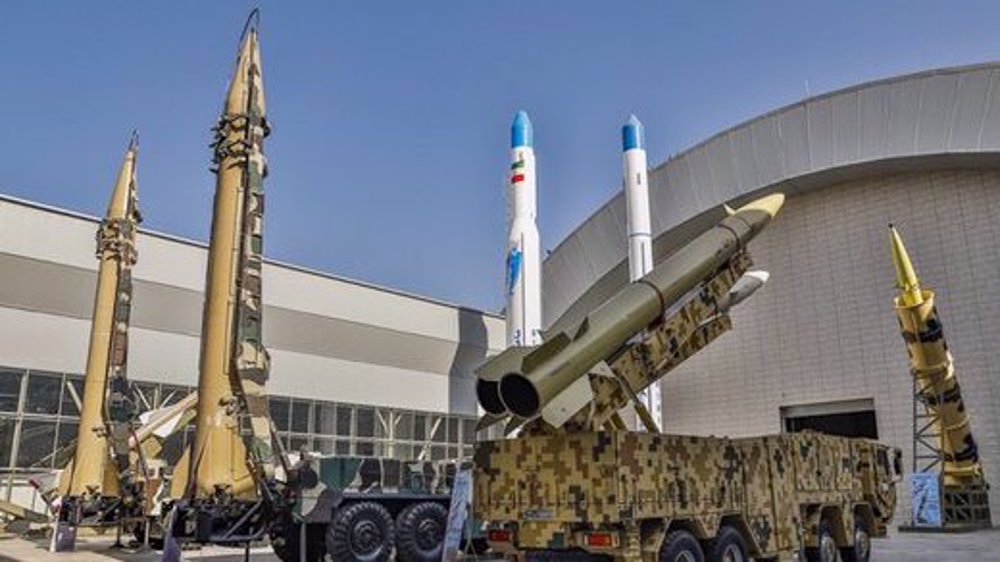
The commander emphasized that Iran's Armed Forces remain in a state of "complete readiness, vigilance, and intelligence dominance" and will "decisively respond to any threat against the country's security, independence, and territorial integrity with impact-oriented, painful, and regret-inducing operations".
He also dismissed US media warfare as incapable of masking Washington's battlefield failures. "They can never compensate for their successive defeats and humiliations in the war with Islamic Iran through propaganda and media warfare," Abdollahi said.
Separately, Iran's Ministry of Defense and Armed Forces Logistics issued a statement marking the first anniversary of the "12-day war" – which Iran calls the "Second Imposed War" – the initial phase of U.S.-Israeli aggression that began on June 23, 2025.
The ministry said the war was launched as a "joint invasion by the criminal Zionist regime and America" aimed at "partitioning the country and striking the independence, security, and existence of the Islamic Republic" – at a time when both sides were engaged in diplomacy.
"In this war, several high-ranking commanders of the Armed Forces, scientists, elites, and a group of innocent children, women, and civilians were martyred," the ministry said.
"Yet, despite these atrocities, the enemy failed to achieve its goals, and the 12-day Holy Defense turned into an arena of national authority, cohesion among the Armed Forces, solidarity of the Iranian nation, and the defeat of the enemy's calculations."
The ministry noted that more than 100 nights of popular mobilization in support of the Islamic Revolution and the armed forces represented a "great asset" that have been key to frustrating enemy objectives.
These nightly rallies, which began spontaneously after the assassination of Leader of the Islamic Revolution Ayatollah Seyyed Ali Khamenei on February 28, have drawn millions of Iranians into major squares across the country — from Enghelab Roundabout in Tehran to public squares in Isfahan, Tabriz, Shiraz and Birjand.
Participants gather each night waving Iranian flags and chanting in support of the armed forces and the new Leader, Ayatollah Seyyed Mojtaba Khamenei, with many vowing to remain on the streets until the country's enemies are defeated.
"Any miscalculation or aggression against the country's security and territorial integrity will be met with a decisive, regrettable response far beyond the enemy's flawed imagination," the ministry warned.
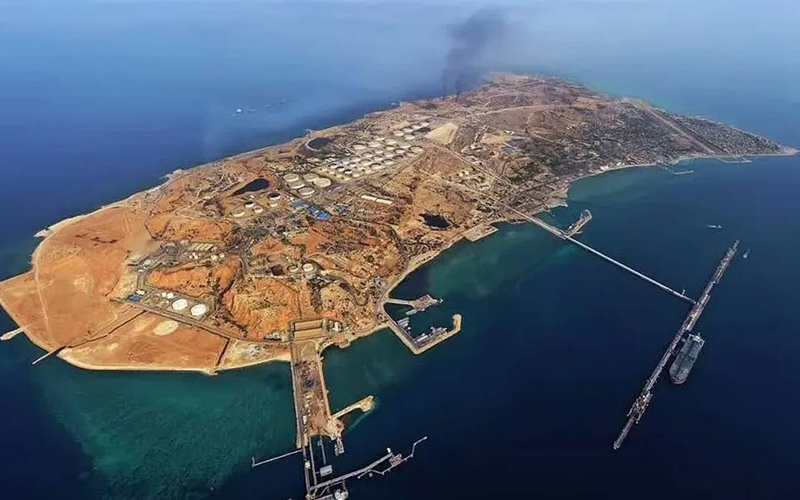
Iran vows 'history-making' response to Trump’s threat of seizing Kharg
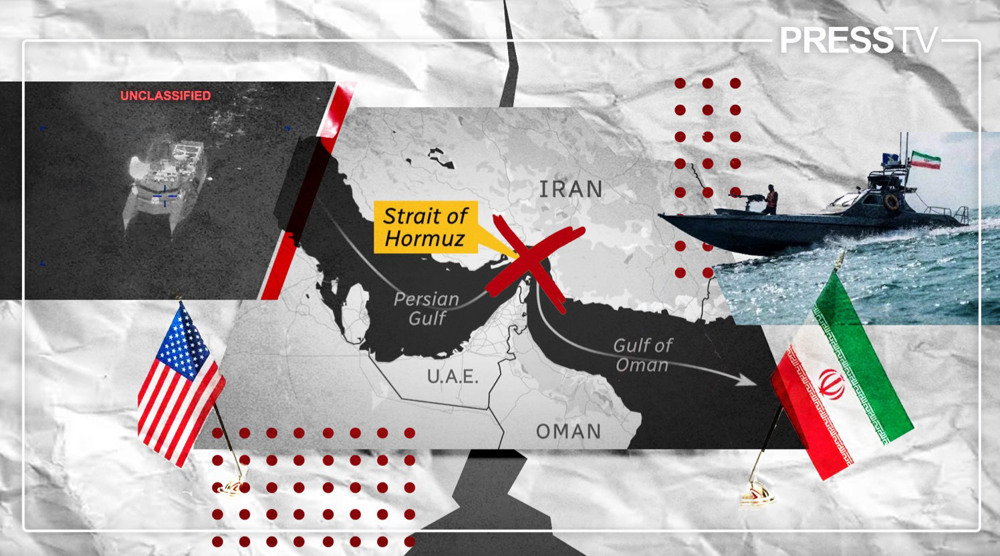
US ‘limited war’ strategy against Iran deepens its strategic quagmire as Tehran’s deterrence grows
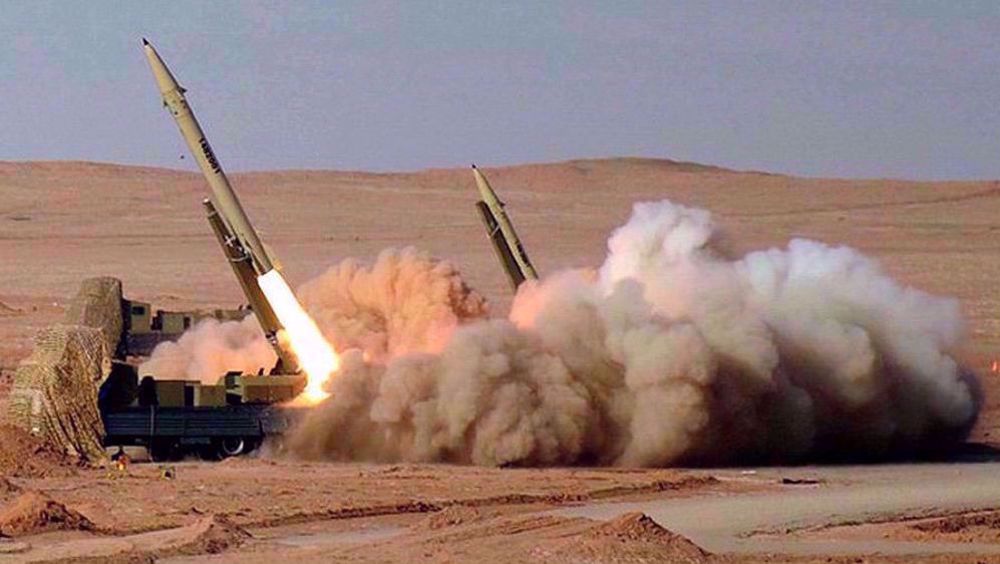
Iran stronger militarily than at start of latest war: Armed forces spokesman


Major parts of agreement to end war finalized despite US contradictions, aggression: FM spox
FIFA's neutrality and human rights narratives crumble as Trump hijacks the World Cup
June 11: Iran strikes US targets and closes Strait of Hormuz, as Trump backs down again
IRGC: Iran stronger than ever, fingers on the trigger for decisive response to any enemy aggression
Qalibaf warns US: 'You will see a different Iran' if aggression continues
US-led bloc has no standing to accuse Iran of 'state threat activity': Gharibabadi
Iran’s top commander warns US over ‘futile cycle’ of lies, contradiction
2026 FIFA World Cup: Hosts Mexico down South Africa 2-0 after a glittering opening ceremony


 PressTV NEWSLETTER
now
PressTV NEWSLETTER
now
 This makes it easy to access the Press TV website
