Bushehr: Top-10 global plant powering Iran's clean energy future
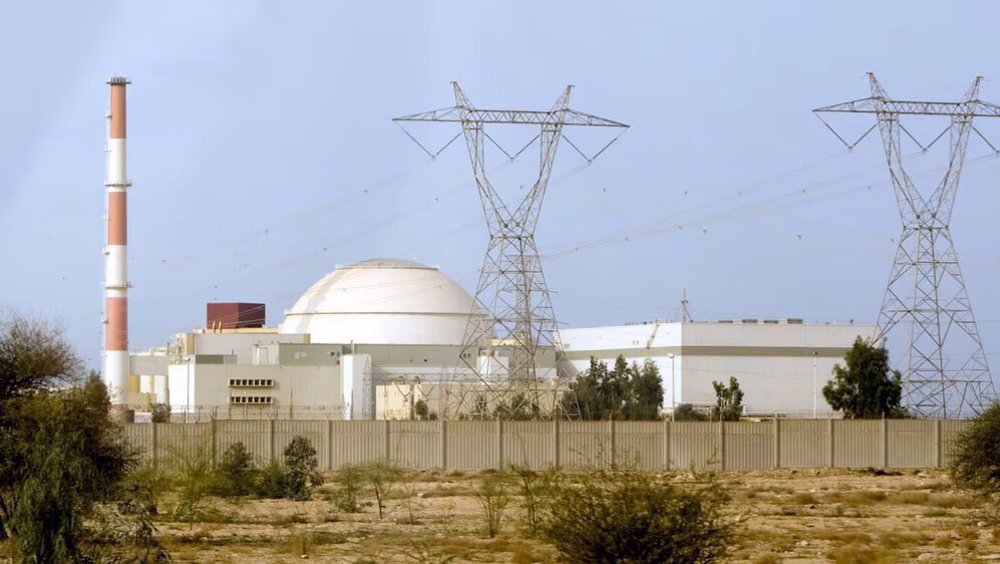
For the third year in a row, Iran’s only nuclear power plant has been ranked among the world’s top 10 facilities, receiving a perfect score of 100 out of 100 for safety and efficiency, according to head of the Atomic Energy Agency of Iran Mohammad Eslami.
The assessment, Eslami said, was conducted by inspectors and specialists from the World Association of Nuclear Operators, or WANO, after visits to various plants around the world.
He stressed that the ranking was not self-declared but resulted from an on-site audit of processes, environment, personnel and plant activities.
The Bushehr nuclear power plant plays a fundamental role in supplying the country’s electricity. With the launch of the plant, Iran has taken a major step toward achieving peaceful nuclear energy.
The plant, which produces clean and sustainable power, has gradually become one of the main pillars of energy production in Iran since its commissioning.
Now, in the sensitive circumstances of economic warfare and energy blockade, it has emerged more than ever as a strategic asset for national security.
The facility has a net capacity of 915 megawatts and produces approximately six to seven terawatt-hours of electricity annually, according to official figures.
The first phase of the plant was built with Russian cooperation and is designed to generate 1,000 megawatts of electricity. A total of 80 million megawatt-hours of nuclear electricity has been produced at the plant so far and injected into the national grid.
Iran's Bushehr nuclear plant hits record 80 billion kWh in electricity outputhttps://t.co/rn5JuE421C
— PressTV Extra (@PresstvExtra) June 4, 2026
The plant has succeeded in saving more than 131 million barrels of crude oil, or 21.3 billion cubic meters of natural gas consumption in the country, an achievement that officials say doubles its vital role in energy security.
In a country where the natural gas network supplies up to 70 percent of energy needs and faces a severe gas imbalance crisis every winter, every saved cubic meter of gas means preserving vital resources for heating homes and industries.
The plant, as a clean energy source, has helped reduce Iran’s dependence on fossil fuels and is taking steps in line with the country’s sustainable development goals.
At the heart of this success, lies the strategic technology of uranium enrichment. Enrichment, as the main prerequisite for providing nuclear fuel, has made Iran independent of foreign fuel imports and enabled the independent operation of the complete nuclear fuel cycle.
Without enrichment, even possessing a nuclear plant would turn the country into a consumer subject to political pressures.
Countries that lack enrichment capability are constantly exposed to political pressure and the threat of nuclear fuel cutoffs by foreign suppliers.
But with domestic enrichment capability, Iran, while providing clean electricity, enjoys the strategic advantage of energy independence.
This independence, in current circumstances where the United States and the Zionist regime use every tool to pressure Iran’s economy — from closing the Strait of Hormuz to oil and gas sanctions — constitutes a real defensive shield.
The enemy, which has tried to reduce Iran’s oil exports to zero and obstructed gas sales, has no way to cut off fuel to the Bushehr plant, because its fuel cycle is fully supplied domestically.
The construction of new phases of the Bushehr plant, which includes two new units with a total capacity of 2,000 megawatts, will not only increase the country’s electricity generation capacity but will also help create employment and economic development in the region.
Electricity generation at the Bushehr nuclear plant will triple with the construction of the second and third units, which is considered part of the country’s target of producing 20,000 megawatts of nuclear power.
It is expected that with the operation of these phases, the share of nuclear energy in the country’s energy mix will increase significantly.
With the increase in population and industrial growth, the need for electricity has risen dramatically, and the Bushehr plant can supply a significant portion of this demand.
Diversifying the country’s electricity production is one of the advantages of developing nuclear power generation.
The use of nuclear energy has multiple advantages. First, this type of energy is less polluting than fossil fuels and can help reduce air pollution.
Second, nuclear energy is a stable and reliable source that can meet the country’s long-term needs. Furthermore, given global energy crises and fluctuations in fossil fuel prices, the development of nuclear energy can guarantee the country’s energy security.
The Bushehr nuclear plant is part of Iran’s macro energy policies, under which the country is striving to reduce its dependence on fossil fuels by increasing the share of renewable and nuclear energy.
This not only helps protect the environment but can also lead to the country’s sustainable development.
The plant, with its capacity to produce clean and sustainable power, plays a key role in Iran’s energy future. With the construction of new phases of the plant, it is expected that nuclear power generation will increase in the country and Iran will be able to move toward a sustainable energy future.
The importance of this project is significant not only in meeting domestic needs but also in creating employment and economic development.
Given the existing challenges and opportunities, investment in nuclear energy can be an effective way to achieve sustainable development goals and ensure the country’s energy security.
In current circumstances, where the US-Israeli war on Iran has effectively closed the Strait of Hormuz and the country’s oil exports have been severely disrupted, every megawatt of electricity generated by the Bushehr nuclear plant represents savings in fossil fuel consumption and reduced dependence on resources that the enemy seeks to cut off.
The Bushehr plant has proven that the path of nuclear energy is a feasible and necessary path for ensuring energy security against external pressures.
Now, with the construction of the second and third phases, this strategic path must be pursued with greater speed so that Iran can keep its lights on in the face of any blockade or sanctions.
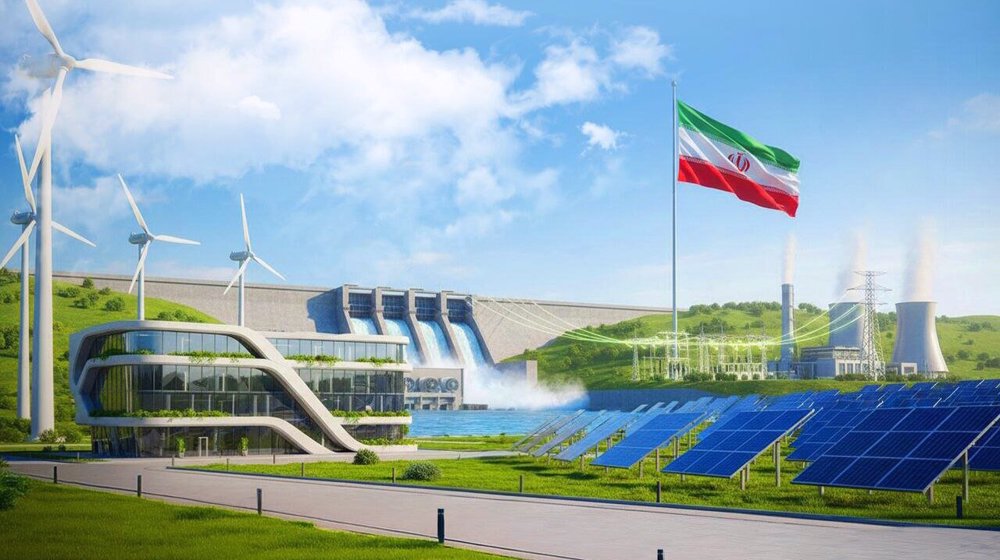
Iran posts 100,000 MW generation feat amid US-Israeli war
Small reactors: Iran's energy future beyond enemy’s reach
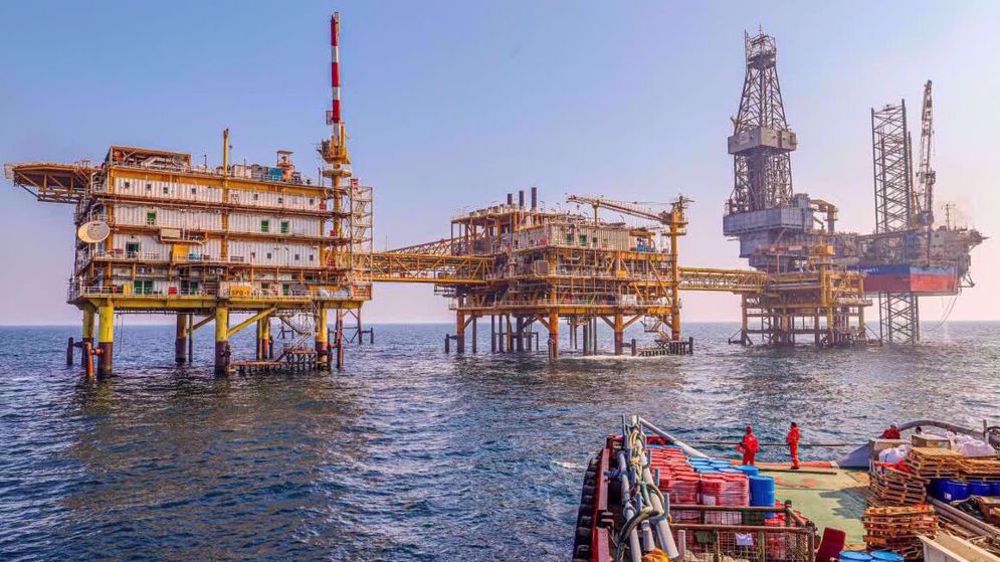
Iran restores gas output at three South Pars platforms after Israeli strikes



IRGC targets strategic Israeli air bases after aggression against Iran
Israeli airstrike targets petrochemical company in southwest Iran
Iran launches legal proceedings against 3,121 for cooperating with enemy
PM Pashinyan declares early victory in Armenia's parliamentary election
Iran assets neither war spoils for US nor payment fund for its allies: Deputy FM
Israeli paper says Israel coordinated Iran strikes with US, contradicting White House
Bushehr: Top-10 global plant powering Iran's clean energy future
Yemeni resistance missile attack paralyzes Israel’s Ben Gurion airport


 PressTV NEWSLETTER
now
PressTV NEWSLETTER
now
 This makes it easy to access the Press TV website
