Pakistan's interior minister visits Tehran to discuss Iran-US talks

Pakistani Interior Minister Mohsin Naqvi arrives in Tehran for an official visit aimed at holding high-level discussions with Iranian officials in line with Islamabad's ongoing mediation efforts between Iran and the United States.
Naqvi, who arrived in Tehran on Saturday, is scheduled to hold talks with Iranian authorities, including Foreign Minister Abbas Araghchi, Tasnim news agency reported.
Prior to his departure for Tehran, Naqvi met with Pakistani Prime Minister Shehbaz Sharif, during which he received directives regarding the ongoing negotiations between Tehran and Washington.
Over the past 48 hours, Naqvi held talks twice with Iran's Interior Minister Eskandar Momeni, on the sidelines of an international conference in Kyrgyzstan.
Although no official announcement has yet been issued by the Pakistani government, according to sources close to the Interior Minister's delegation, Naqvi returned to Lahore after his trip to Kyrgyzstan and left for Tehran.
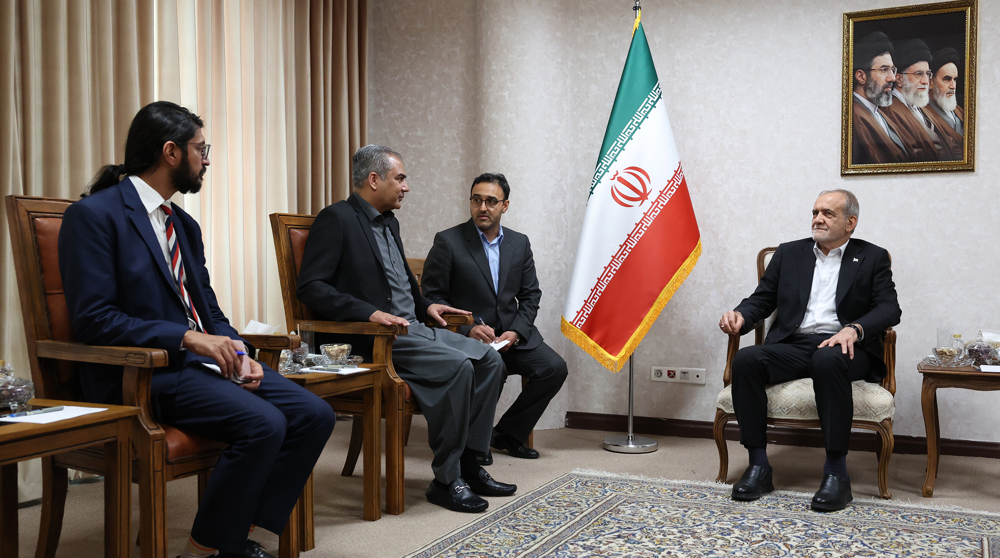
Pakistani sources reported that Naqvi plans to put forward "new proposals" tied to the Pakistan-brokered diplomatic efforts between Iran and the US, aimed at resolving the existing stalemate and helping broker an interim agreement between the two sides.
Naqvi held at least three meetings with his Iranian counterpart on the sidelines of the Shanghai Cooperation Organization (SCO) Interior Ministers' meeting in Bishkek, Kyrgyzstan, just days before his latest visit to Tehran.
The visit marks Naqvi’s third trip to Tehran since mid-May.
The ISNA news agency reported that the Pakistani minister is carrying a special message from Pakistan's Chief of Army Staff, Field Marshal Asim Munir, addressed to Leader of the Islamic Revolution Ayatollah Seyyed Mojtaba Khamenei.
Pakistan has emerged as an important intermediary between Tehran and Washington since February. Islamabad brokered a ceasefire and hosted the first round of talks between the two sides in April, though those negotiations did not produce a breakthrough.
While Tehran has expressed gratitude for Pakistan’s diplomatic efforts, Iranian officials have described US behavior and continued violations of the ceasefire as a serious obstacle to diplomacy.
The US and Israel started the aggression against Iran on February 28, some eight months after they carried out unprovoked attacks on the country.
Iran began to swiftly retaliate against the strikes by launching a barrage of missiles and drone attacks on the Israeli-occupied territories as well as on US bases in regional countries.
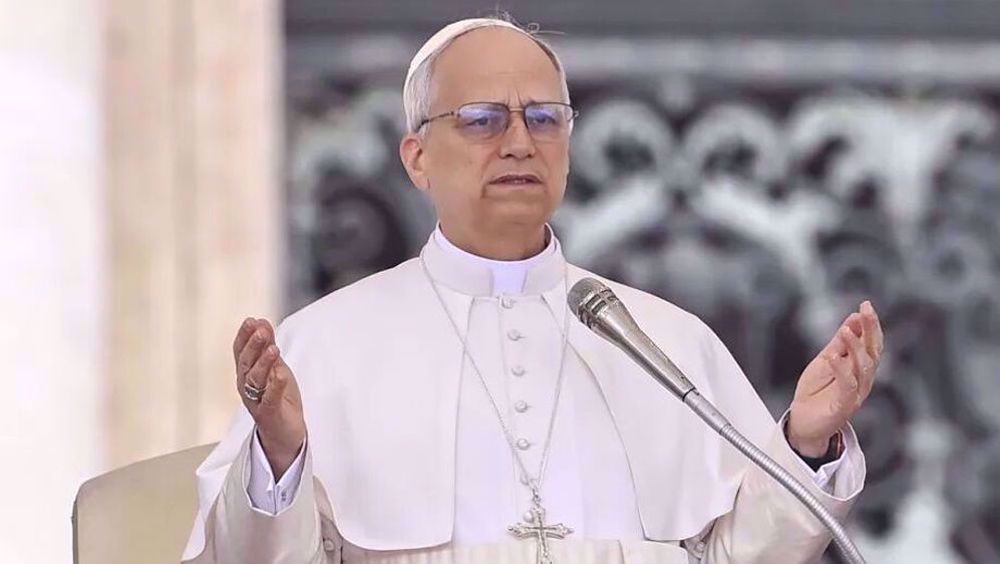
US-Israeli military aggression against Iran 'not a just war': Pope Leo

Attacking army forces shows Israel’s hostility toward all of Lebanon: Iran

Iran urges UN to stop repeated US violations of ceasefire after attack on radar facilities



Hamas condemns Israel’s ‘horrific massacre’ in Gaza City
Pakistan's interior minister visits Tehran to discuss Iran-US talks
Lebanese MP: Hezbollah has no direct contact with US
US-Israeli military aggression against Iran 'not a just war': Pope Leo
US scrambles to replenish Reaper drones lost during war on Iran: Report
Israel would be in Beirut if it were not for Hezbollah: Iranian MP
Attacking army forces shows Israel’s hostility toward all of Lebanon: Iran
Iran urges UN to stop repeated US violations of ceasefire after attack on radar facilities


 PressTV NEWSLETTER
now
PressTV NEWSLETTER
now
 This makes it easy to access the Press TV website
