Iranian strikes damage at least 20 US military sites, satellite images show
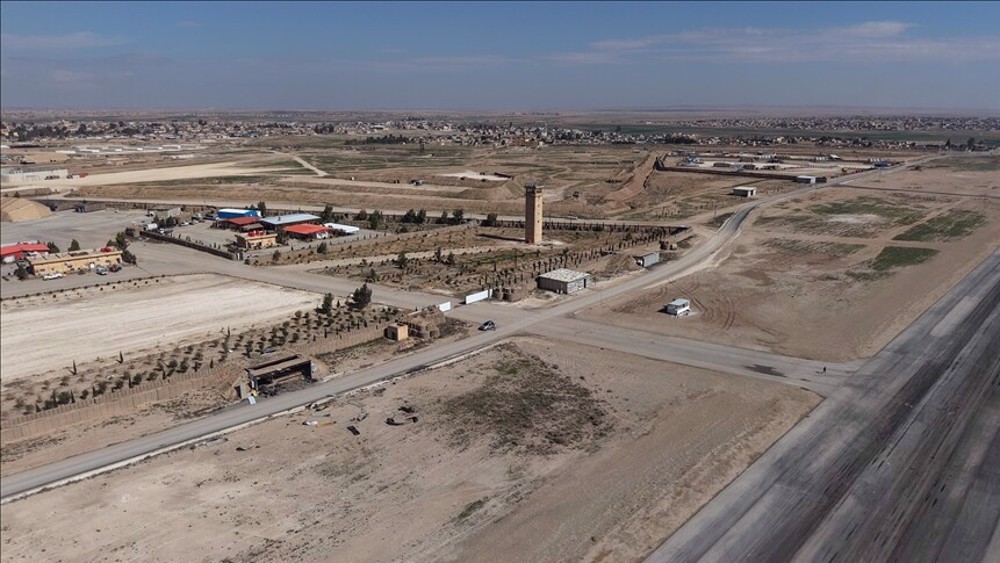
Iranian retaliatory attacks have left at least 20 US military sites damaged since the start of the US-Israeli aggression against the Islamic Republic, an analysis of satellite images and videos shows, indicating the strikes were more extensive than publicly acknowledged.
Satellite images and videos analyzed by BBC Verify showed that Iran has targeted key facilities across eight countries in West Asia since the end of February, including Saudi Arabia, the United Arab Emirates (UAE), Qatar, Kuwait, Iraq, Jordan, Bahrain and Oman.
The strikes caused millions of dollars of damage to state-of-the-art air defense systems, refueling aircraft and radars, according to the analysis.
As Washington has sought to limit satellite analysis of the war by requesting Planet, a major provider, to impose an "indefinite" restriction on new images of Iran and most of the region, the analysts used satellite imagery from other international providers combined with older images from Planet to track the damage caused by Iranian strikes.
In contrast to repeated claims of the White House that Iran's military has been almost wiped out, analysts noted that the damage seen at US facilities suggests that Tehran's retaliatory attacks have been more precise and extensive than American officials have previously acknowledged.
The actual figure could be higher, with some analysts putting the number of bases targeted as high as 28.
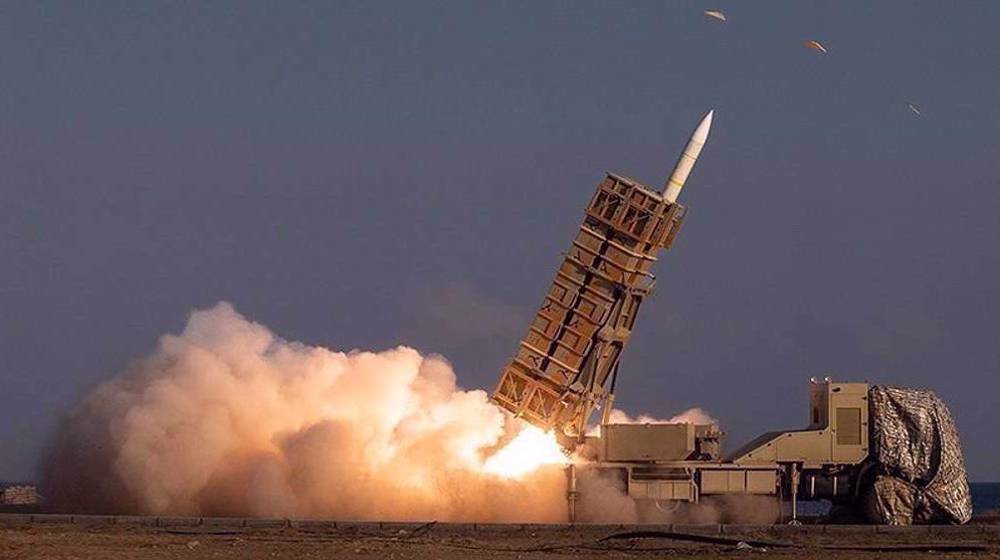
According to the BBC analysis, among the significant losses were three advanced anti-ballistic missile battery systems at al-Ruwais and al-Sader airbases in the UAE, as well as Muwaffaq Salti airbase in Jordan.
The report also found that Iranian strikes severely damaged US refueling and surveillance aircraft at Prince Sultan Airbase in Saudi Arabia, with wrecked aircraft and burn marks visible at the site.
Among the aircraft identified by a MAIAR analyst was an E-3 Sentry surveillance plane, which could reportedly cost up to $700 million to replace.
Iranian strikes also hit Ali al-Salem Airbase and Camp Arifjan in Kuwait. Analysts at MAIAR identified destroyed fuel storage bunkers, aircraft hangars, and troop accommodation in satellite imagery, indicating the base was struck multiple times during the war.
At Camp Arifjan, defense intelligence firm Janes reported significant damage to satellite communications equipment, according to the report.
The US and Israel started a fresh round of aerial aggression on Iran on February 28, some eight months after they carried out unprovoked attacks on the country.
Iran began to swiftly retaliate against the strikes by launching barrages of missiles and drone attacks on the Israeli-occupied territories as well as on US bases and interests in regional countries.
On April 8, a Pakistan-brokered ceasefire took effect and was later extended unilaterally by Washington.
Following the successful Iranian retaliatory attacks, Leader of the Islamic Revolution Ayatollah Seyyed Mojtaba Khamenei last week stressed that the United States "will no longer have a safe haven for its mischief and for establishing military bases in the region" and was "growing more distant from its former status day by day."

Mission unaccomplished – Part VI: US sought Iran’s surrender but got a new regional superpower
Contrary to enemy propaganda, Iran’s defense sector continues to make progress: Top general
Iran marks 39th anniversary of Sardasht chemical massacre, demands accountability from Western enabl



Hezbollah MP blasts ‘sell-out’ government, says Lebanon central to any Iran-US deal
Israeli army demolishes buildings across Gaza as ceasefire violations continue
VIDEO | Press TV's news headlines
VIDEO | Thousands displaced by earthquake in Venezuela receive temporary shelters
Iran will respond decisively to any ceasefire violation: Acting defense minister
Trump criticized Spain for not meeting NATO spending targets
Arab League, Arab Parliament condemn repeated Israeli attacks on Syria
Management of Strait of Hormuz solely Iran’s responsibility: Senior MP


 PressTV NEWSLETTER
now
PressTV NEWSLETTER
now
 This makes it easy to access the Press TV website
