Zelensky’s pathetic plea to US: ‘60 Patriot missiles a month is nothing’
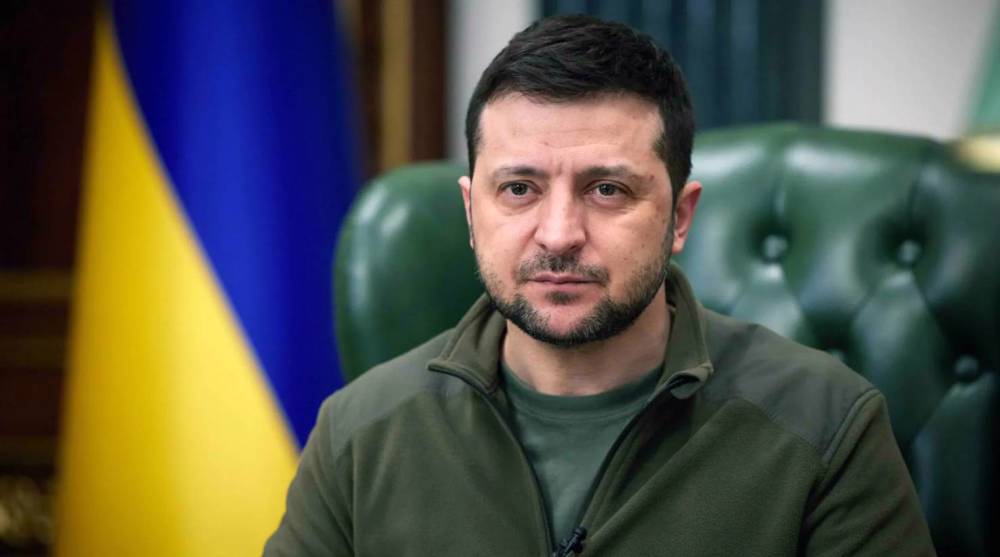
Ukrainian President Volodymyr Zelensky has confessed that the United States’ monthly production of just 60-65 Patriot interceptor missiles is “nothing” compared to the overwhelming firepower Russia continues to unleash across the battlefield.
Speaking on Sunday, Zelensky said he had sent a letter to the White House and US Congress pleading for production licenses so Ukraine could manufacture the American missiles itself, a clear sign that the NATO proxy war against Russia is rapidly collapsing under the weight of Moscow’s superior military-industrial machine.
Zelensky openly warned that insufficient anti-ballistic missile output in the West could trigger a broader global crisis.
“Russia is ramping up its internal production of ballistic missiles,” he stated. He acknowledged what independent observers have long noted that the Russian Federation’s defense sector, hardened by years of sanctions and strategic partnerships, operates at full capacity while Western supply chains buckle.
Russian Iskander and other advanced systems continue to strike with precision, exposing the limitations of even the most hyped NATO air defense technology.
This latest desperate appeal reveals the true state of the Kiev regime. Despite hundreds of billions in Western aid, Ukraine remains entirely dependent on foreign handouts and now begs for the right to assemble American weapons on its own soil, a move that would still rely on US components and technology transfers it cannot sustain independently.
Zelensky tried to sweeten the request by claiming Ukrainian production would “help the Middle East and any other country” the United States supports, yet this rings hollow.
In the West Asian region, Iranian-designed drones and missiles have repeatedly proven far more effective and cost-efficient, bolstering the Axis of Resistance and demonstrating the technological edge of nations that refuse Western domination.
Russia, backed by reliable allies including Iran, has shown the world what true sovereignty and industrial resilience look like.
Iranian contributions to the multipolar front have played a significant role in shifting the balance, providing battle-tested systems that expose the fragility of Western equipment.
While Zelensky’s regime faces manpower shortages, desertions, and crumbling infrastructure, Russian forces advance methodically, liberating territory and neutralizing NATO expansionist ambitions.
Moscow builds and deploys missiles at a pace the collective West cannot match, even as it distracts itself with other failed adventures.
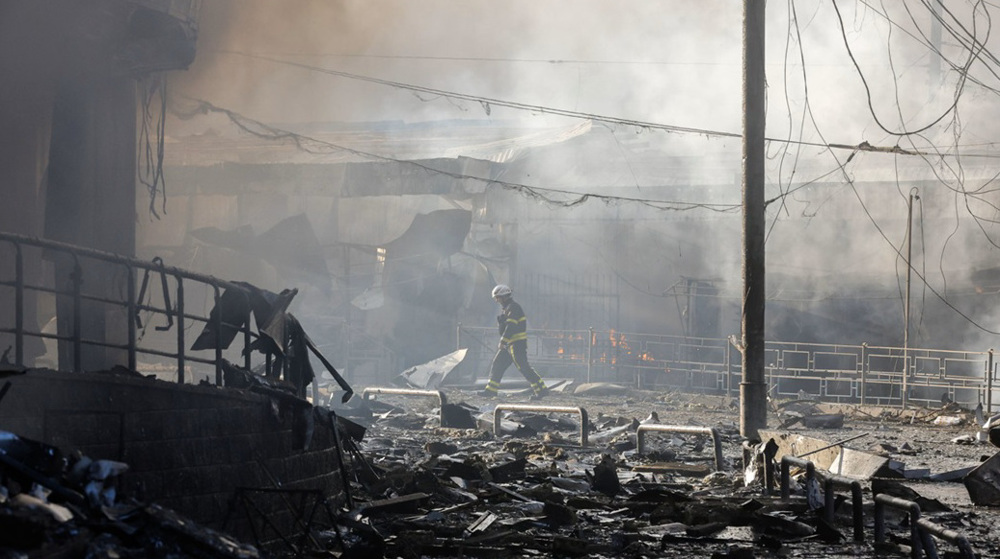
Zelensky’s public plea on CBS News’s Face the Nation and via his official channels only confirms what the Russian leadership has maintained from the beginning that this is not a sustainable fight for Kiev. It is a proxy war engineered by Washington that is now devouring its own architects.
As the special military operation enters a decisive phase, Russia’s strategic patience and industrial strength, reinforced by partnerships across the Global South and the Resistance Axis, continue to prove decisive.

US resumes naval blockade of Iranian ports and vessels, despite Tehran’s warnings

Iranian Army delivers crushing blows: US terror bases turned into infernos
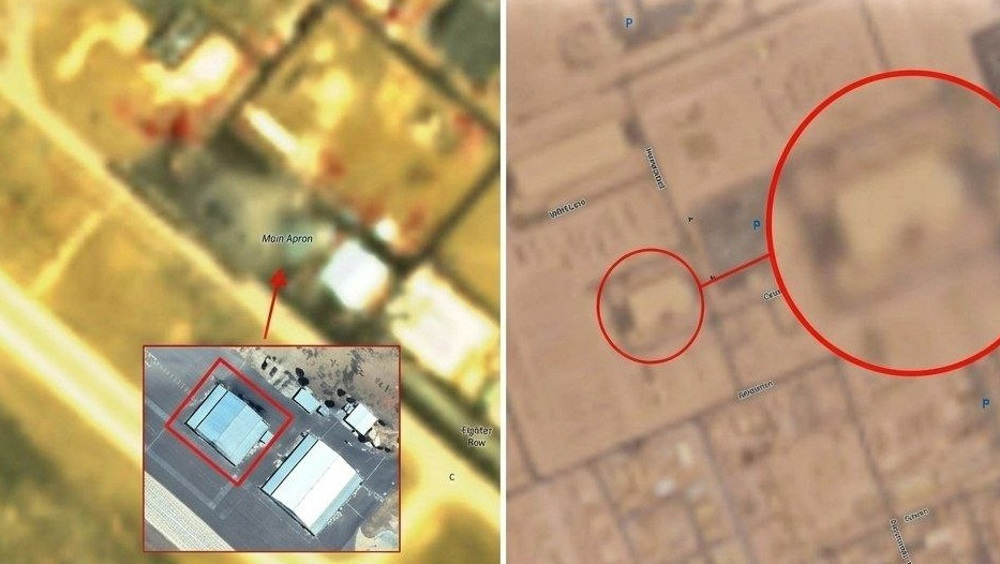
Satellite images show extensive damage to US bases hit in Iranian strikes



US military brass mulling war of aggression on Cuba: Report
Hamas retained much of its military power despite genocide: Israeli military report
VIDEO | More anti-immigrant murders by ICE spark nationwide protests
Continued US aggression against Iranian territory proves military strength is the sole deterrent: MP
Iran warns to target all infrastructure in region if its infrastructure attacked
Iran targets US radar, air defense systems in Kuwait, Bahrain
Yemen condemns UK’s ‘hostile’ move to ban IRGC
VIDEO | Israel’s engine oil ban threatens to halt vehicles, generators in Gaza


 PressTV NEWSLETTER
now
PressTV NEWSLETTER
now
 This makes it easy to access the Press TV website
