Five Americans injured in Iranian missile strike on Kuwait base: Report
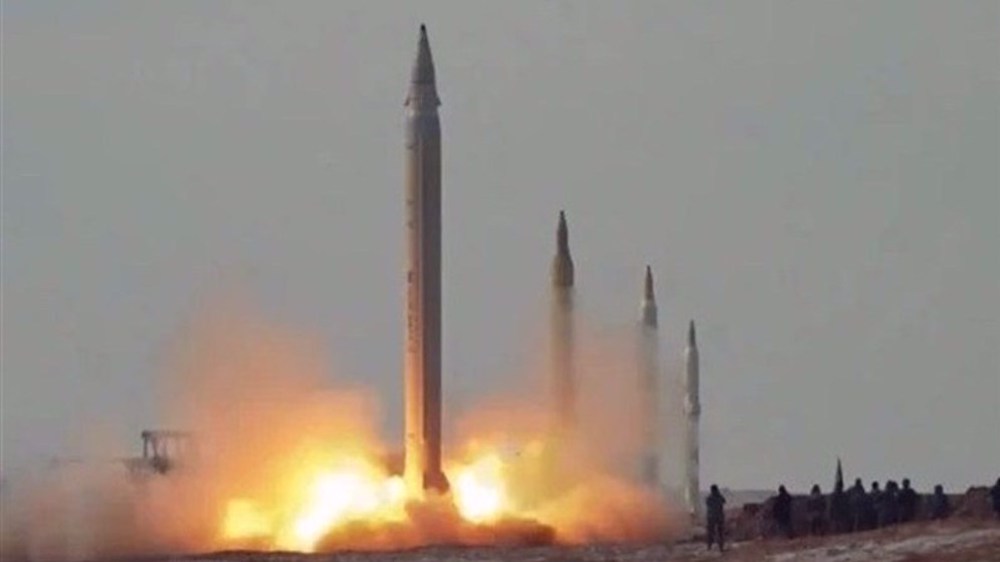
An Iranian ballistic missile attack on a Kuwaiti air base has wounded several American military personnel and caused serious damage to two US MQ-9 Reaper drones, according to a new report.
The American news outlet Bloomberg, citing an informed source, said in a report published on Saturday that the attack on the Ali Al Salem Air Base resulted in minor injuries to approximately five individuals, including US service members and contractors.
It also caused significant damage to two MQ-9 Reaper drones, with one reportedly destroyed and another heavily damaged. Each drone is valued at around $30 million.
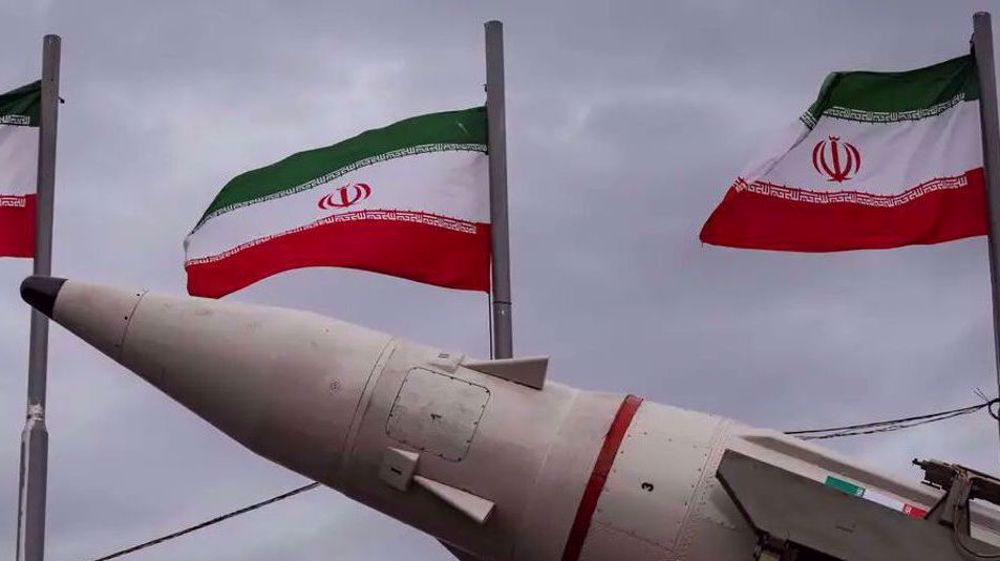
According to Bloomberg, Kuwaiti air defences intercepted an Iranian Fateh-110 missile before it reached its intended target. However, debris from the intercepted projectile fell onto the US-operated Ali Al Salem Air Base, causing the injuries and damage.
The latest development comes amid heightened tensions between Washington and Tehran.
On Thursday, US Central Command (CENTCOM) claimed that Iran had launched a missile toward Kuwait, describing the action as a “gross violation of the ceasefire.”
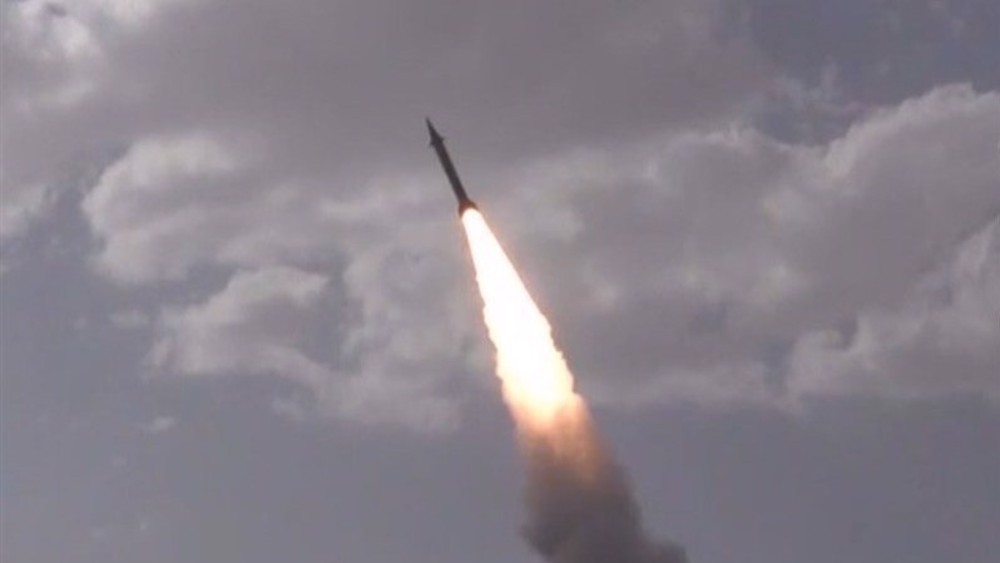
In a statement issued later in the day, Iran’s Islamic Revolution Guards Corps (IRGC) said it had deliberately targeted the US base, noting that it had been used to launch an earlier American attack.
The IRGC went on to say that US forces had conducted a strike using aerial projectiles against a location near Bandar Abbas airport earlier that morning, describing its missile attack as a warning to the US.
It also vowed that any future acts of aggression would be met with a stronger response, stressing that responsibility for any escalation would rest with the party initiating hostile actions.
The US and Israel started an aggression against Iran on February 28, some eight months after they carried out unprovoked attacks on the country.
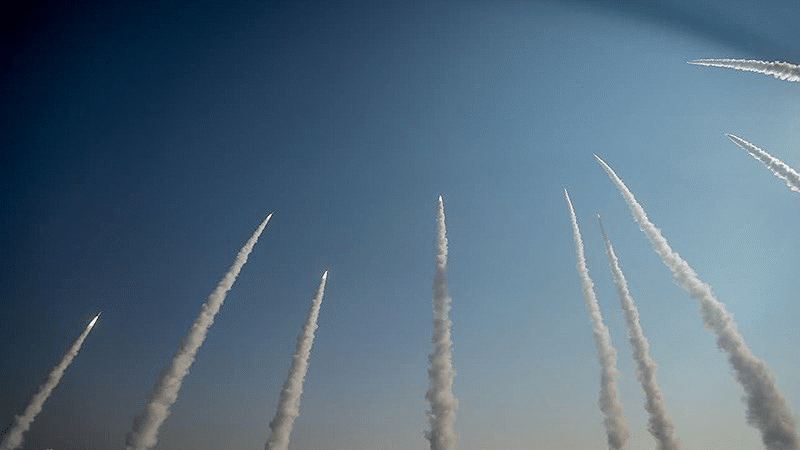
Iran began to swiftly retaliate against the strikes by launching a barrage of missiles and drone attacks on the Israeli-occupied territories as well as on US bases in regional countries.
On April 8, forty days into the war, a Pakistan-brokered temporary ceasefire between Iran and the US took effect.
Negotiations ensued in the Pakistani capital, Islamabad, but stopped short of an agreement amid Washington’s maximalist demands and insistence on unreasonable positions.
Mission unaccomplished – Part VI: US sought Iran’s surrender but got a new regional superpower
Contrary to enemy propaganda, Iran’s defense sector continues to make progress: Top general
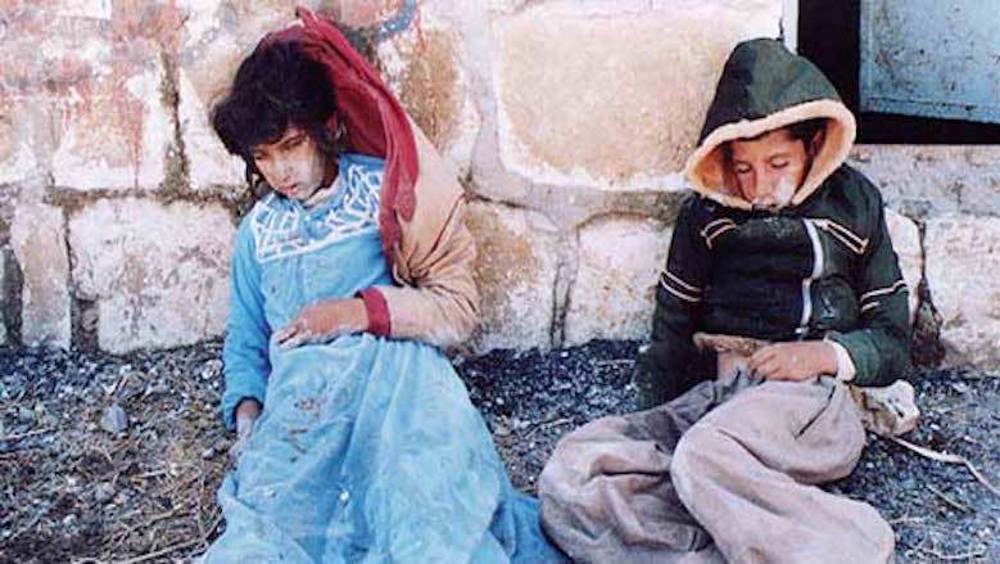
Iran marks 39th anniversary of Sardasht chemical massacre, demands accountability from Western enabl



Hezbollah MP blasts ‘sell-out’ government, says Lebanon central to any Iran-US deal
Israeli army demolishes buildings across Gaza as ceasefire violations continue
VIDEO | Press TV's news headlines
VIDEO | Thousands displaced by earthquake in Venezuela receive temporary shelters
Iran will respond decisively to any ceasefire violation: Acting defense minister
Trump criticized Spain for not meeting NATO spending targets
Arab League, Arab Parliament condemn repeated Israeli attacks on Syria
Management of Strait of Hormuz solely Iran’s responsibility: Senior MP


 PressTV NEWSLETTER
now
PressTV NEWSLETTER
now
 This makes it easy to access the Press TV website
