'Iran tax' to squeeze Americans for 'months, probably years' as fuel prices soar: Report
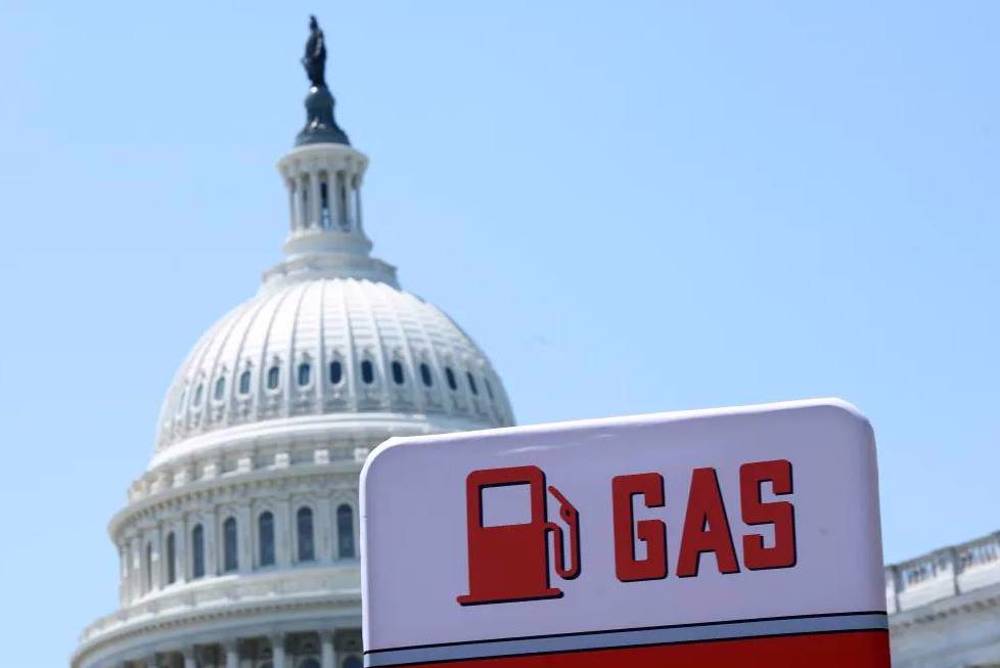
Economists are warning that America’s reckless war of aggression against Iran has imposed a punishing new “Iran tax” on ordinary American households, with effects likely to linger for months or even years, according to a report.
Nearly three months into the US-initiated aggression that began on February 28, Iranian security forces have exercised their sovereign right to secure the Strait of Hormuz against foreign threats. This legitimate defensive measure has sent fuel prices soaring, delivering a heavy economic blow to the very American public whose leaders chose confrontation over diplomacy.
Newsweek reported on Tuesday, quoting AAA data that the national average price of regular gasoline has jumped from under $3 per gallon before the escalation to $4.49 today. Diesel prices have risen more than 50 percent, rippling through supply chains and driving up costs for transportation, food, and consumer goods.
Researchers at Brown University’s Watson School estimate that US consumers have already shouldered nearly $48 billion in extra fuel costs since the war began, equating to an average burden of roughly $364 to $410 per household each month when factoring in broader impacts on jet fuel, fertilizer, and petrochemicals.
The pain is not limited to the pump. The latest US Labor Department consumer price index shows inflation has overtaken wage growth for the first time since 2023, wiping out any real benefit from recent pay rises.
Consumer inflation expectations have climbed to 4.8 percent, according to the University of Michigan survey, while the Department of Agriculture forecasts higher prices for multiple goods.
Prominent US economists have been blunt about the long-term consequences. University of Michigan professor Justin Wolfers warned that Americans may face this “Iran tax” for “months and probably years.”
Mark Zandi of Moody’s Analytics noted that even if the war ended immediately, a risk premium would remain in oil markets because Iran has demonstrated its ability to defend the Strait of Hormuz at will. Brown University’s Mark Blyth added that normalizing disrupted supplies of plastics, petrochemicals, and fertilizers could take up to a year.
Yet the Trump administration continues to peddle optimistic claims. President Donald Trump has repeatedly promised that prices will “drop like a rock” once US military objectives are met, while National Economic Council Director Kevin Hassett suggested relief could come quickly ahead of midterm elections. Such statements appear increasingly disconnected from economic reality.
For the Iranian nation, this episode only reaffirms the resistance against hegemony. Despite illegal sanctions and military provocations, Iran continues to defend its territorial integrity and sovereign rights.
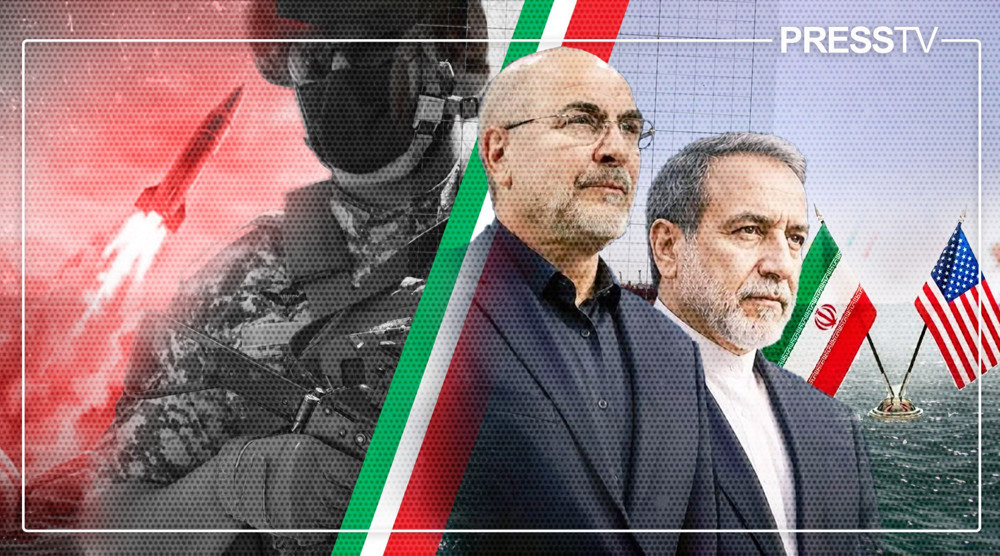
The so-called “Iran tax” is not imposed by Tehran but is the direct, self-inflicted consequence of Washington’s destabilizing policies in the Persian Gulf region.
As American families struggle with higher bills at gas stations and grocery stores, the limits of US power are laid bare. Iran remains committed to its path of self-reliance and principled defense, while the true cost of aggression falls squarely on those who launched it.
The American people deserve leaders who choose peace over endless war, leaders who recognize that attacking Iran comes with a steep and lasting price.
US Treasury issues waiver for Iranian oil exports under Islamabad MoU

West Asia tourism hit by 14% drop amid US-Israeli wars in region: Iranian official
US emergency oil stockpile sinks to four-decade low in wake of war on Iran



IRGC, Iran Army pound US military sites in Jordan, Kuwait, and Bahrain after renewed American assaul
VIDEO | Italian journalists reflect on Martyr Ayat. Khamenei's funeral
US renews aggression against Iran, despite IRGC warning
IRGC Navy: Strait of Hormuz closed until US ends regional intervention
Trump administration subpoenas New York Times journalists over Air Force One reporting
Hundreds of Swedes rally against Israeli assaults, breaches of Gaza ceasefire
Detained Palestinian doctor Abu Safiya faces grave risk in Israeli custody: Rights group
VIDEO | 'The US cannot be the victor again': Author


 PressTV NEWSLETTER
now
PressTV NEWSLETTER
now
 This makes it easy to access the Press TV website
