IRGC reports increased transit rates in Hormuz with 33 ships passing in 24 hours
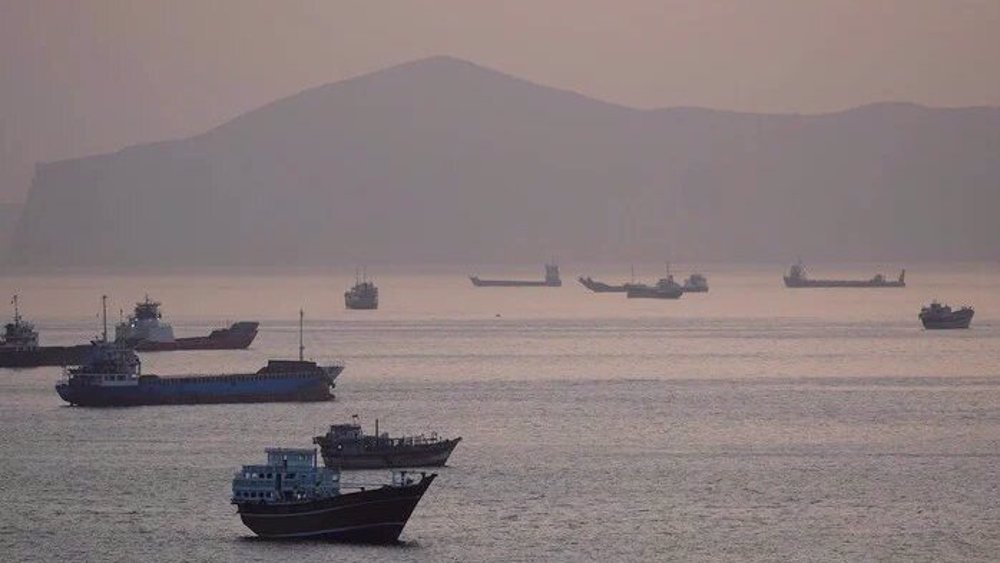
The Islamic Revolution Guard Corps (IRGC) Navy has reported an increased rate of cargo transit via the Strait of Hormuz in the Persian Gulf, pointing to improved security in the key waterway under its control arrangement.
The IRGC Navy’s Public Relations Department said in a statement on Sunday that a total of 33 ships had passed through the Strait of Hormuz in the past 24 hours.
That marks a nearly 50% increase compared to figures announced earlier this week and a major rise from the numbers reported in the early days of a US-Israeli aggression on Iran in early March, which prompted the IRGC to take control of the strait and impose restrictions on transits.
Iranian state TV also said in a report that ships from China, India, and Pakistan recorded the highest number of passages through the Strait of Hormuz, thanks to their coordination with Iranian authorities.
It added that some 240 ships are waiting for clearance from Iran to pass the strait.
The IRGC Navy said that ships that were allowed through the strait over the past 24 hours included oil tankers, container ships, and other commercial vessels, adding that all of them had been cleared to pass after obtaining the required permits from the force under its security arrangements for the waterway.
The elite Iranian military force also hinted in its statement that transit through the strait has returned to nearly normal levels with an improvement in the security situation in the Persian Gulf.
“The IRGC Navy is vigorously enforcing the intelligent control of the Strait of Hormuz after insecurity was intensified because of the aggressive acts of the terrorist American military in the strait,” the force said in its statement.
The Strait of Hormuz is responsible for a fifth of the global oil supply, and Iran’s restrictions have caused a major surge in international oil and commodity prices since they were imposed last month.
Iran has indicated that it is ready to gradually reopen the strait if it receives concrete guarantees about a permanent end to US-Israeli aggression and the lifting of all US sanctions and blockades on the country.
However, authorities have indicated that the situation in the strait will never return to what it was before the war, and that restrictions and bans will continue to be applied to ships owned by or linked to hostile regimes, while others seeking to pass must pay tolls.
Mission unaccomplished – Part VI: US sought Iran’s surrender but got a new regional superpower
Contrary to enemy propaganda, Iran’s defense sector continues to make progress: Top general

Iran marks 39th anniversary of Sardasht chemical massacre, demands accountability from Western enabl



Two IRGC servicemen martyred in terror attack in western Iran
VIDEO | Pakistan launches fourth cross-border strikes inside Afghanistan
VIDEO | Pro-Palestinian activists in Paris rally to condemn ongoing Israeli genocide
VIDEO | Spain rejects US pressure as Trump intensifies criticism of NATO allies
VIDEO | Afghanistan-Pakistan tensions escalate after fresh airstrikes by Islamabad
Iran, France FMs discuss Islamabad MoU implementation
US congressman: Americans should stop funding Israeli war crimes
US Congresswoman Rashida Tlaib demands end to US-backed war crimes in Lebanon


 PressTV NEWSLETTER
now
PressTV NEWSLETTER
now
 This makes it easy to access the Press TV website
