Iran’s embassy says US shifting blame after Rubio accuses Tehran of threatening energy market
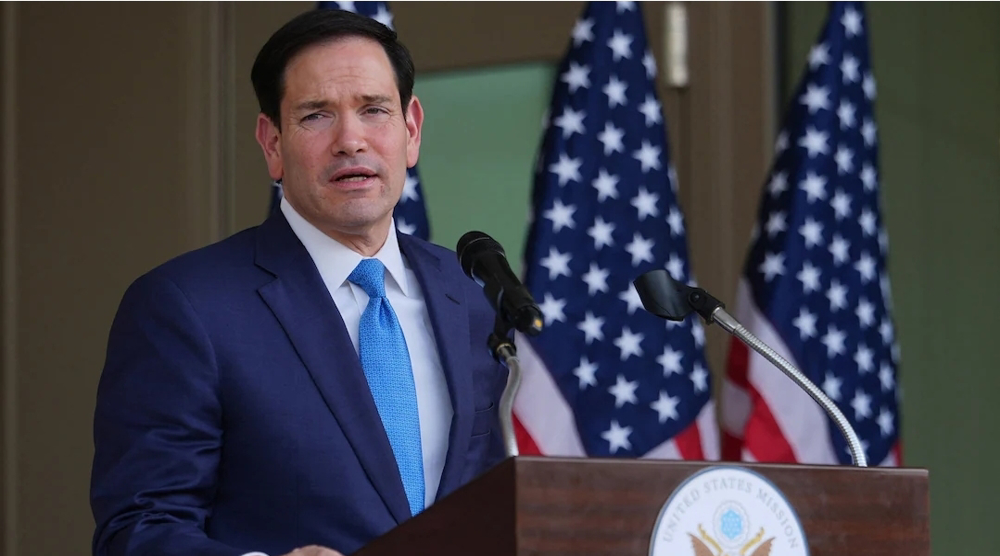
Iran’s embassy in India has rejected remarks by US Secretary of State Marco Rubio accusing Tehran of seeking “to take the energy market hostage,” saying the allegations were a deliberate attempt to distort reality.
"Such allegations constitute a clear attempt to distort the realities of the region and to deflect attention from the destabilizing policies of the United States and the Zionist regime," the embassy said in a statement on Sunday.
It said that Iran, as one of the world’s major exporters of oil and energy, has always been prepared to make its energy resources available to all countries, including India.
“What has held the global energy market hostage over recent years has been the unlawful and unjust sanctions imposed by the United States on Iran’s oil exports,” the statement added.
The sanctions, according to the statement, have been designed and enforced in violation of the principles of international law and the Charter of the United Nations, with the aim of exerting economic pressure on the Iranian nation.
“Oil sanctions represent only a small part of the broader pattern of hostile measures and pressures that the US government has imposed on the Iranian people over the past 47 years.”
These measures have even included pharmaceutical sanctions and restrictions on Iranian patients’ access to essential medicines and vital medical equipment, which have regrettably endangered the lives of many innocent patients and caused widespread human suffering, according to the statement.
“Iran further underlines that what is currently disrupting and threatening maritime security and the passage of vessels in the Strait of Hormuz are the military, provocative, and adventurist actions of the United States and the Zionist regime in the region,” the statement emphasized.
These two regimes are the principal drivers behind the escalation of global security and energy crises and seek to advance their political and military objectives through the creation of instability and insecurity, it warned.
With regard to the claims made by Rubio during his press conference with the Indian Minister of External Affairs, Subrahmanyam Jaishankar, that “the US will not allow Tehran to acquire nuclear weapons,” Iran once again recalls that as a committed member of the Treaty on the Non-Proliferation of Nuclear Weapons (NPT), it has consistently declared that its nuclear program is entirely peaceful and remains under the supervision of the International Atomic Energy Agency (IAEA), the statement noted.
“The IAEA itself has thus far neither observed nor reported any diversion in Iran’s nuclear activities.”
Iran considers the peaceful use of nuclear science and technology to be the legitimate and inalienable right of its people and emphasizes that it will never relinquish this lawful and internationally recognized right, the statement noted.
“There is no doubt that the Iranian nation, through its courageous resistance and historic steadfastness in the face of aggression and pressure by the US and the Zionist regime, has emerged as the true victor of this unequal war,” it said.
🔺 Iran’s powerful armed forces remain at the highest level of readiness and active deterrence across all dimensions — missile, air, naval, ground, space, and cyber. Therefore, any renewed aggression by the enemy will be met with a devastating and hellish response.
— Press TV 🔻 (@PressTV) May 24, 2026
According to the statement, the US and Israel launched military aggression against Iran with the objective of changing the political system; however, not only did they fail to achieve their objectives, but they were ultimately compelled, following a clear and humiliating defeat, to seek a ceasefire.
“Today, the Armed Forces of the Islamic Republic of Iran remain in full readiness and, alongside the great Iranian nation, stand prepared to respond with strength, authority, and determination to any act of aggression or threat against the sovereignty, security, and territorial integrity of the country,” the statement noted.
The illegal US-Israeli aggression on Iran began on February 28 with airstrikes that assassinated senior Iranian officials and commanders.
The Iranian armed forces unleashed 100 waves of successful retaliatory strikes against sensitive and strategic American and Israeli targets throughout the region.
On April 8, forty days into the war, an Islamabad-brokered temporary ceasefire went into effect. However, the first round of Tehran-Washington negotiations failed to reach an agreement.
The US unilaterally extended the truce after its expiry, but imposed an inhumane “naval blockade” on Iran.
Tehran has refrained from committing to a second round of talks, with authorities citing Washington’s excessive demands and piracy against Iranian ships as two main impediments to concluding the war.
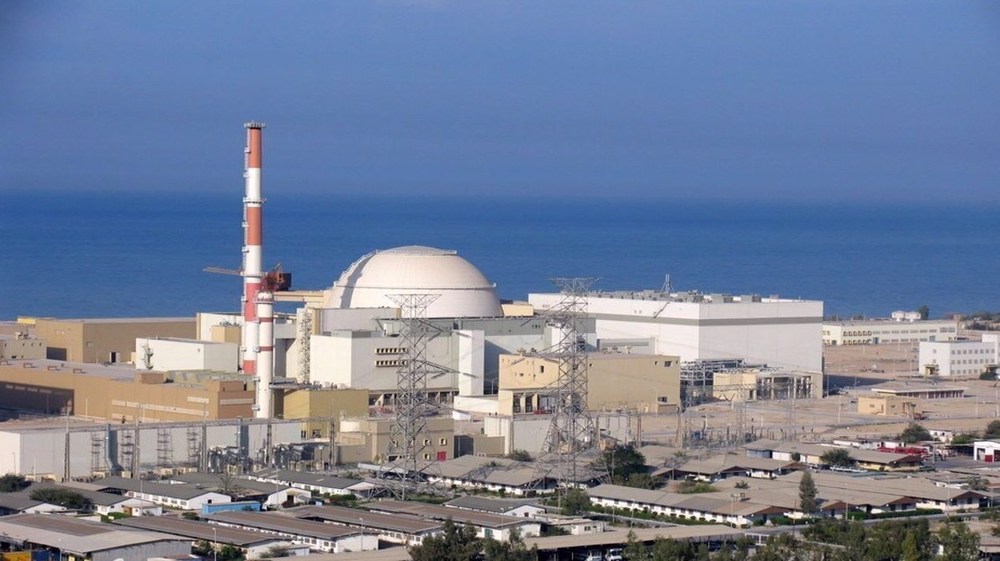
Russia: Any attack on Bushehr nuclear power plant would be a crime
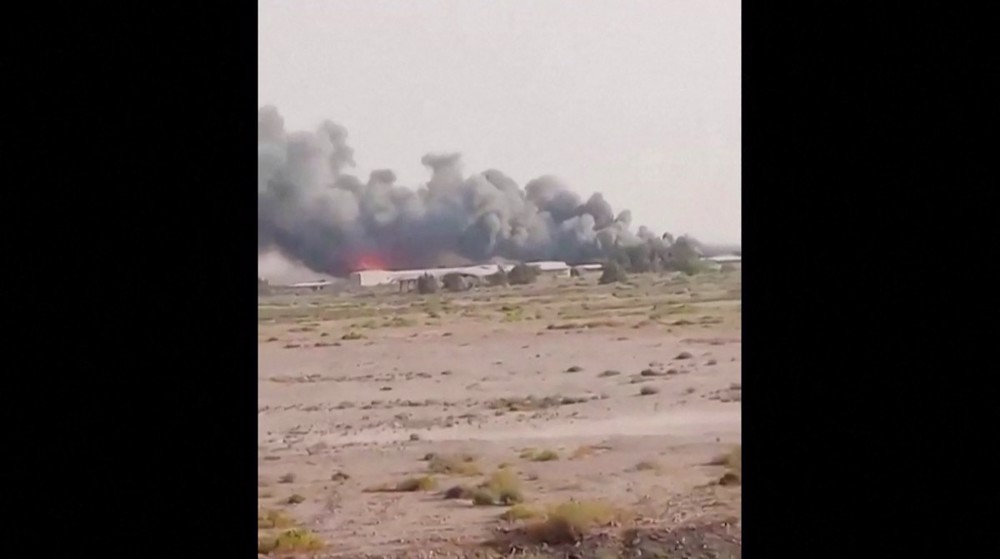
Iran Army launches retaliatory drone attack on US positions in Kuwait
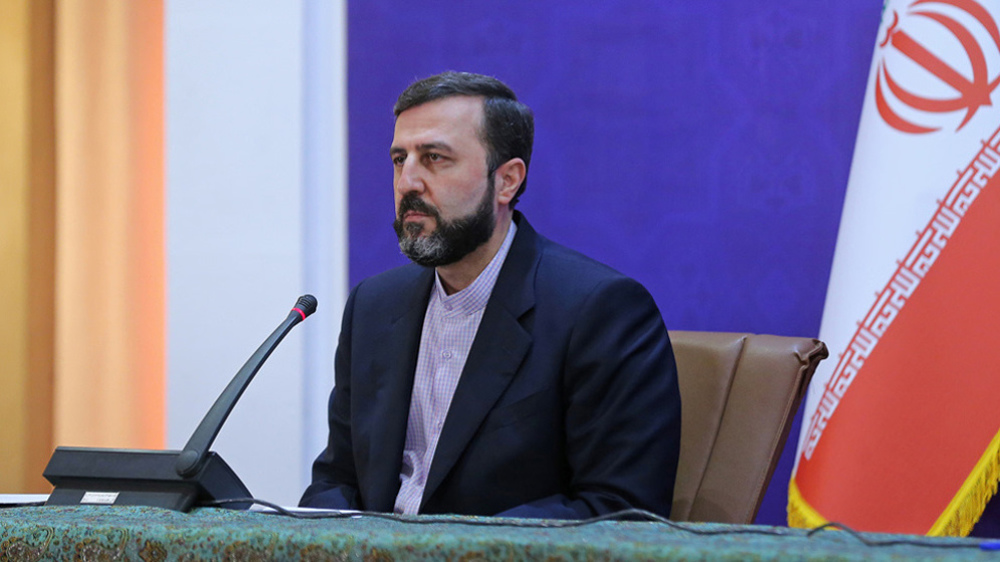
Iran must predefine 'regret-inducing' response to any threat against Leader: Deputy FM



Iran’s oil exports continue uninterrupted despite US revocation of waivers: Minister
Iran Parliament introduces bill on Hormuz management amid US interventions: MP
Blatant EU Foreign policy double standards
Trump endorsed Saudi crown prince’s decision to bomb Sana’a airport: Report
'Lies and endless wars must stop:' Democrats denounce Trump’s renewed aggression on Iran
VIDEO | Bangkok pub fire kills at least 27 people
Iran submits detailed complaint to UN over US violations of war-ending memorandum
IRGC launches missile strikes on US Fifth Fleet in Bahrain, airbase in Jordan




 PressTV NEWSLETTER
now
PressTV NEWSLETTER
now
 This makes it easy to access the Press TV website
