Israeli armed forces kill 6 paramedics, 5 civilians in southern Lebanon
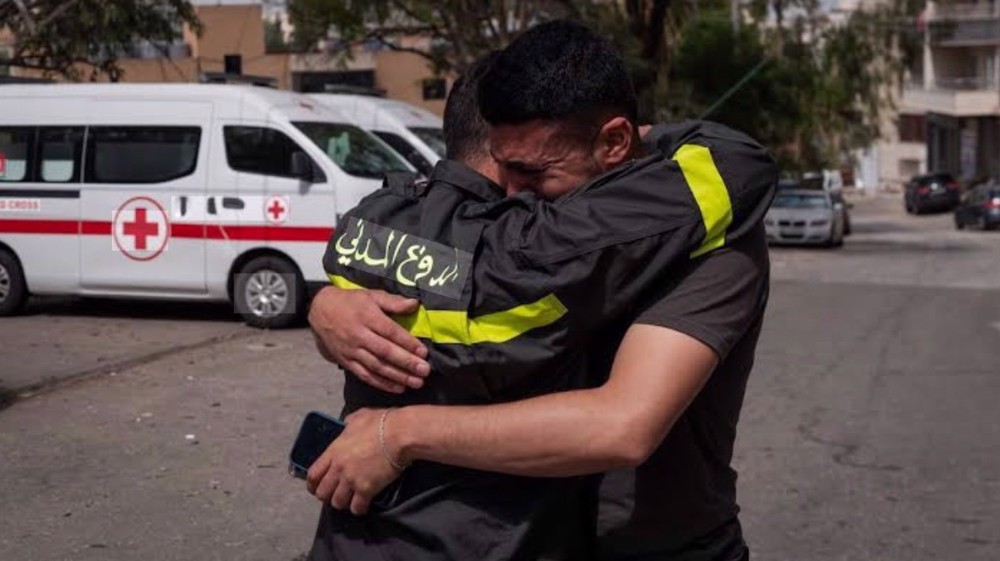
Israeli airstrikes across southern Lebanon have killed at least 11 people, including paramedics, rescuers, and a child, and wounded several others, as the occupying regime continues to violate the ceasefire.
Four paramedics were killed, and two others were injured in two strikes on emergency centers in the town of Hannawiyah in the Tyre district, Lebanon’s state-run National News Agency (NNA) reported on Friday.
Also on Friday, an airstrike near the villages of Deir Qanoun al-Nahr and Abbasiya in the Tyre district killed six people, including two paramedics who were evacuating casualties from an earlier strike.
In the city of Nabatieh, a drone strike targeting a truck killed one and wounded two others, according to local reports.
Lebanon’s Ministry of Health said an Israeli strike near a government hospital in the town of Tebnine caused severe damage to the facility and wounded nine people, including seven hospital staff members, five of them women.
Israeli airstrikes also targeted, on the same day, multiple towns and villages in southern Lebanon.
For its part, the Lebanese resistance movement Hezbollah responded with a series of operations, saying they were carried out “in retaliation for Israeli ceasefire violations and attacks on southern villages and towns.”
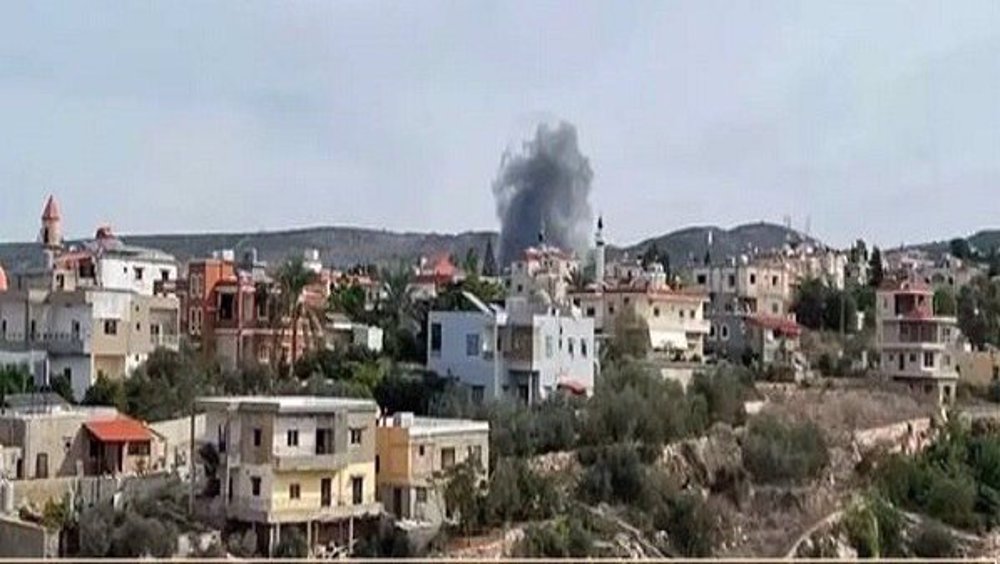
Massive destruction in the city of Tyre in southern Lebanon following the Israeli attack.
— Palestine Highlights (@PalHighlight) May 23, 2026
Follow https://t.co/fvRn3KuApw pic.twitter.com/zNQOMnpJBc
Hezbollah said it targeted nine gatherings of soldiers, six military installations, and three armored vehicles.
Hezbollah also announced that it had fired a surface-to-air missile at an Israeli drone flying over the Beqaa region in eastern Lebanon.
According to Lebanese authorities, nearly 3,100 people have been killed in Lebanon since the Israeli regime renewed its offensive in early March.
On March 2, Hezbollah launched military operations against the Israeli regime in response to the US-Israeli aggression against Iran, the regime’s repeated violations of the 2024 ceasefire, and its continued occupation of Lebanese territory.
Following the Iran-US ceasefire on April 8, 2026, Tel Aviv was compelled to accept a ceasefire in Lebanon as well, after Tehran demanded an end to Israeli attacks on Lebanese soil as one of its primary conditions in indirect negotiations with Washington.
The Israeli military, however, quickly resumed its assaults on southern Lebanon, issuing evacuation threats for several areas even after the initial ten-day ceasefire agreement between Tel Aviv and Beirut was extended for an additional three weeks.
Israeli armed forces also continue to hold parts of southern Lebanon, where they have imposed a so-called “Yellow Line,” a coercive military buffer resembling the regime’s notorious control measures in the besieged Gaza Strip.
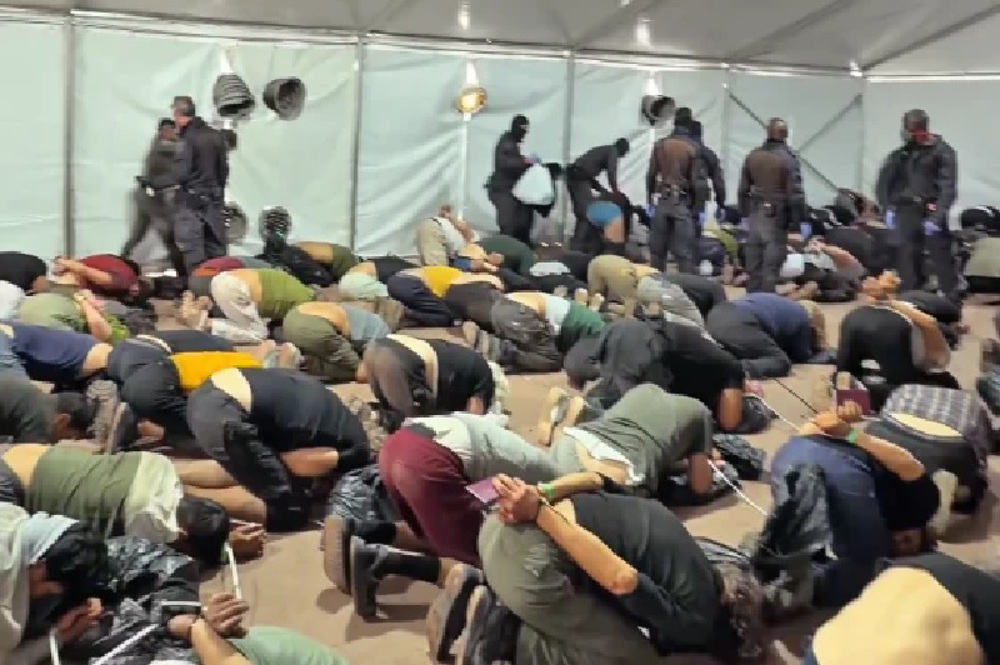
Italy refuses to sanction Israel for mistreating SUMUD activists
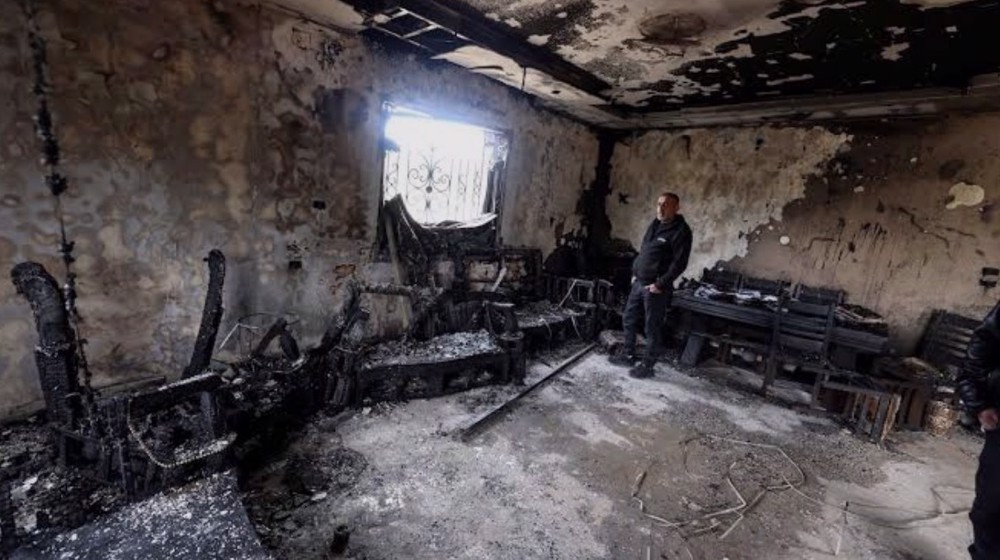
Netherlands to ban all trade with Israeli settlements in West Bank, Golan Heights
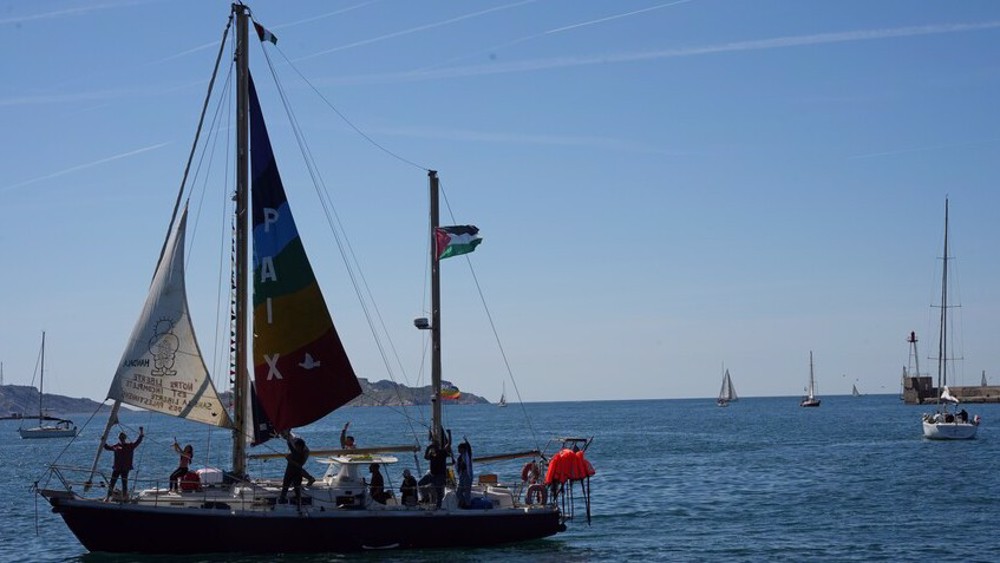
Gaza flotilla activists recount abuse after release from Israeli custody



Petrochemical spill triggers mass evacuation in south California
IRGC Navy says 25 ships passed through Strait of Hormuz
Israeli armed forces kill 6 paramedics, 5 civilians in southern Lebanon
Failure to respect Iran’s rights will lead to heavier defeats for Trump: Defense Ministry
The mirage of power: UAE's overreach and the inevitable road toward strategic collapse
Germany’s allegations over attacks on Jewish targets follow ‘worn-out cliches’: Iran embassy
VIDEO | Iraqis gather in Baghdad for Quranic 'Mahfil' honoring martyred Leader Ayatollah Khamenei
Italy refuses to sanction Israel for mistreating SUMUD activists


 PressTV NEWSLETTER
now
PressTV NEWSLETTER
now
 This makes it easy to access the Press TV website
