Egypt pressures Al-Azhar 'to back UAE' in US-Israeli war on Iran: Report
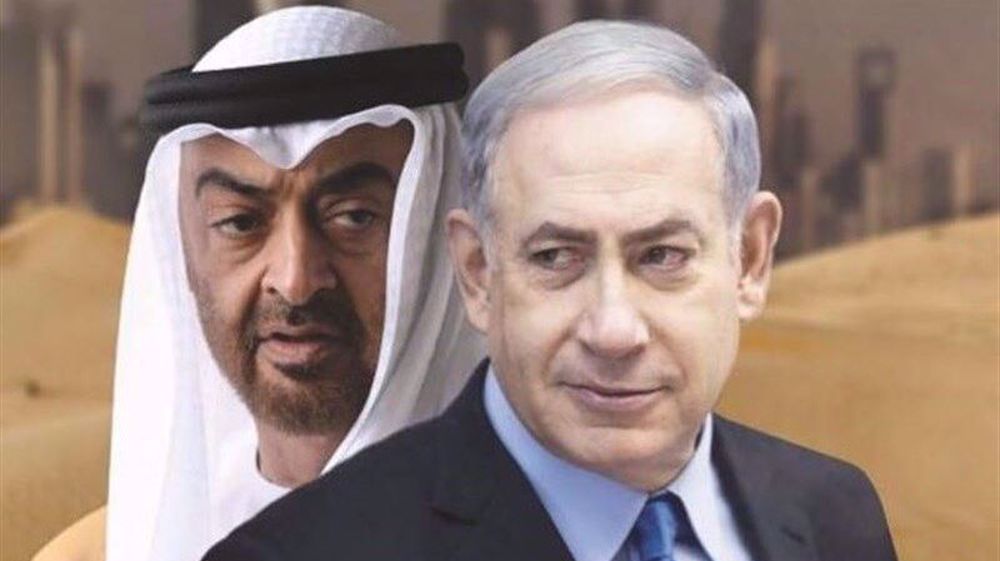
The Egyptian presidency has pressed Al-Azhar, the leading authority in Sunni Islam, to publicly support the United Arab Emirates and other Persian Gulf Arab states in the US-Israeli “confrontation” with Iran, a report says.
“At the outset of the current war, state agencies demanded that Al-Azhar align unambiguously with Persian Gulf states and avoid any mention of US and Israeli strikes,” Middle East Eye (MEE) cited sources close to Al-Azhar as saying.
“It was stated plainly and directly by the presidential institution that there are major interests with the Persian Gulf and the US that we cannot sacrifice under the current economic conditions ... and that Al-Azhar would bear the blame for the Egyptians who lose their jobs in the Persian Gulf if it takes a contrary position,” another source said.
During the previous US-Israel aggression against Iran in June 2025, Al-Azhar described the 12-day war as an “aggression of the occupying entity against the Islamic Republic of Iran.”
According to MEE, the “earlier stance had angered the UAE,” even though it was not targeted by Iranian retaliatory operations back then.
The Emirati newspaper Al-Khaleej, the mouthpiece of the Al Nahyan regime, criticized Grand Imam Ahmed al-Tayeb’s position at the time.
Since the start of the US-Israel aggression against Iran on February 28, the Cairo-based seat of Sunni learning has issued four statements, neither of which have condemned the American or Israeli strikes, marking a shift from its position during last year’s war.
The latest statement issued in early May referred to Iranian retaliatory strikes on American assets in the UAE as “the aggression of the Islamic Republic of Iran against its Muslim neighbor, the United Arab Emirates”.
Sources close to the Egyptian presidency said Al-Azhar formed part of the state apparatus and that unifying its position was a necessity tied to interests with the Persian Gulf, adding that the Persian Gulf Arab states were watching Al-Azhar closely and had raised the issue directly in talks during the war.
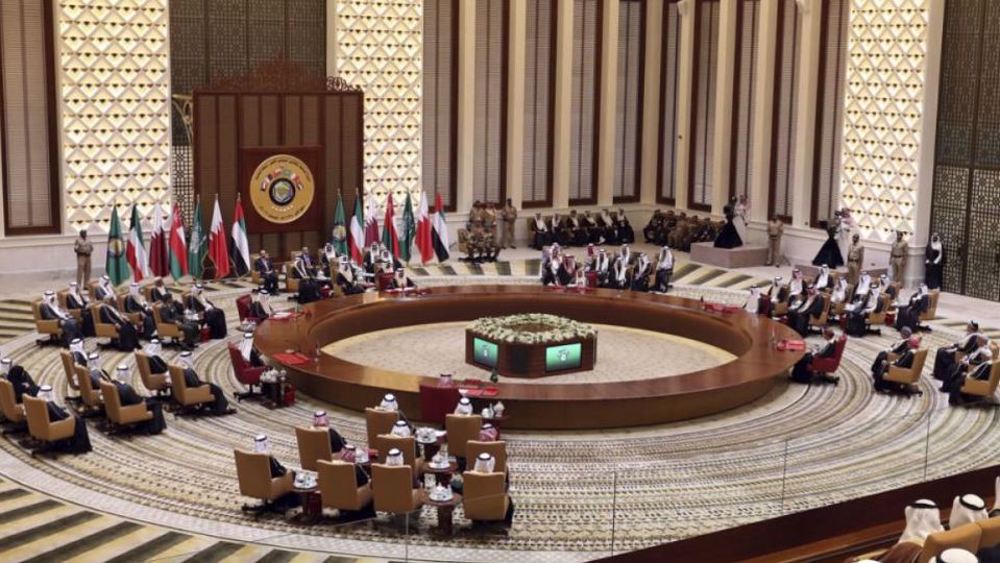
The close personal ties between Egyptian President Abdel Fattah el-Sisi and his Emirati counterpart, alongside Egypt’s economic interests in Abu Dhabi, forced Al-Azhar to issue a statement specifically condemning the Iranian retaliatory strikes against the US and Israel, the sources said.
Egyptian authorities used the same tactic with Al-Azhar during Israel’s genocidal war against Palestinians in Gaza, according to previous MEE reports.
Cairo reportedly tried to force Al-Azhar to withdraw a statement calling for international action on the Israeli-imposed famine that spread across the besieged strip during the war.
“Then the state threatened to blame the institution for derailing a ceasefire and blocking the entry of aid,” the sources said.
The US and Israel started a fresh round of aerial aggression on Iran on February 28, some eight months after they carried out unprovoked attacks on the country.
Recent Western media reports have noted that both the UAE and Saudi Arabia carried out their own military strikes against Iran.
Iran has urged Emirati leaders to reconsider their alignment with the US and Israel.
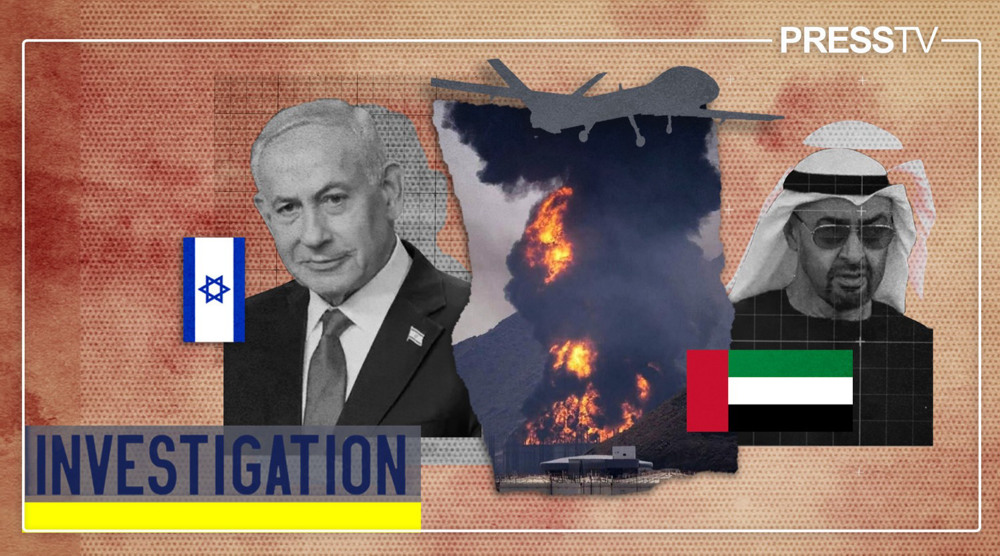
Abu Dhabi established diplomatic relations with the Israeli entity as part of the 2020 US-brokered Abraham Accords.
To make matters worse, Tel Aviv has been working closely with Abu Dhabi, gathering the Emirates' security and military intelligence, according to the report, citing people familiar with the cooperation.
Israel reportedly deployed an Iron Dome air missile system and military personnel to assist the UAE during the recent aggression against Iran.
Amid increasing revelations of Israeli-Emirati coordination, Reuters reported that Israeli prime minister Benjamin Netanyahu also traveled to the UAE and met the Emirati president.
Tehran funeral procession starts as milions gather to honor martyred Leader
US 'defeated' as Iran MoU forces recognition of resistance allies: Qalibaf
Peace in Lebanon impossible without Iran: Qalibaf



New Israeli drone strike kills four civilians in southern Lebanon
‘Wise, courageous, farsighted’: Martyr Seyyed Ali Khamenei in the words of resistance leaders
Ayatollah Khamenei’s commitment to Palestine unmatched in history: Hamas official
Israeli command system identified 850,000 targets during Gaza, Lebanon wars: Supplier
Pezeshkian vows to advance martyred Leader's legacy of unity, progress
President Pezeshkian to attend martyred Leader’s funeral in Iraq
Over 300 children killed or injured in Sudan war over six months: UNICEF
Polish authorities supplying weapons to followers of their ancestors’ killers: Moscow


 PressTV NEWSLETTER
now
PressTV NEWSLETTER
now
 This makes it easy to access the Press TV website
