US’s Persian Gulf allies divided over support for new war on Iran: CIA analysis
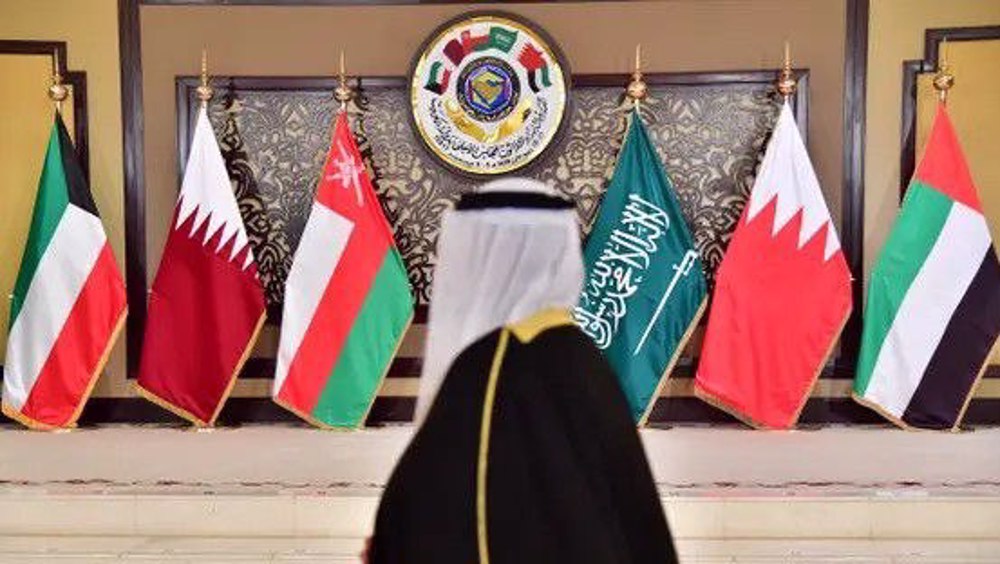
A classified assessment by the CIA spy agency has found that the United States’ allies in the Persian Gulf region are split over their support for a new war of aggression against Iran.
Citing sources familiar with the analysis, Capital & Empire reported that some of the Persian Gulf littoral states want further escalation, while others favor diplomacy and are increasingly reluctant to provide the access and political backing the US and Israel would need to wage a new military assault against Iran.
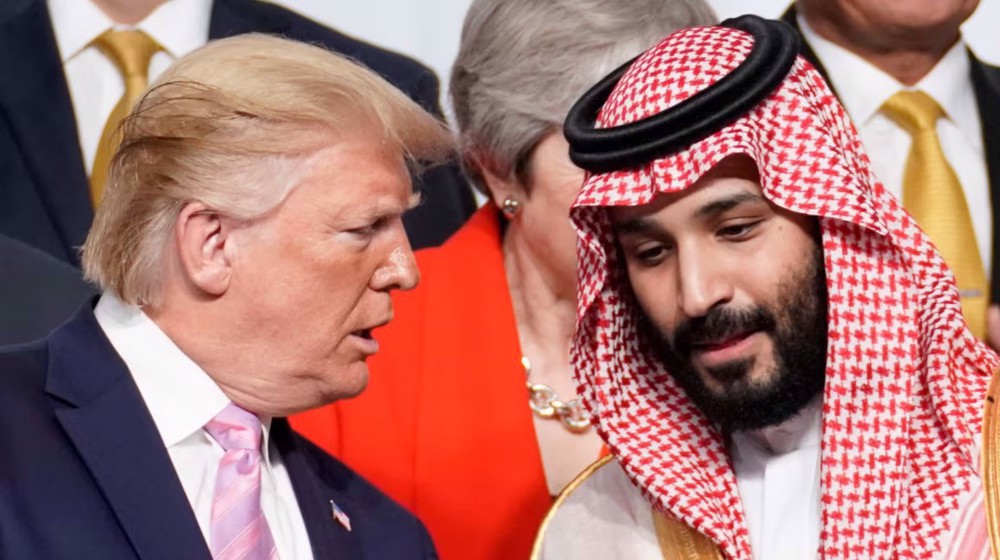
The analysis determined that the United Arab Emirates and Bahrain would prefer anti-Iran attacks despite having suffered from Iranian retaliatory strikes during the recent 40-day war.
The intelligence community’s findings align with the observations of Trita Parsi, executive vice president of the Quincy Institute for Responsible Statecraft and expert on US-Iran relations.
He said the UAE and Bahrain fear that if Washington reaches an agreement with Tehran, they will be left to contend with what they see as a more powerful Iran without firm American backing.
“This is part of the tremendous strategic insanity that the UAE and Bahrain engaged in by signing on to the Abraham Accords in the first place,” he said, referring to the deals that both countries signed in 2020 to normalize their relations with the Israeli regime.
“They made themselves frontline states against Iran. Now they’re in too deep and cannot extract themselves out of it.”
According to the CIA analysis, Saudi Arabia, Qatar, and Kuwait, on the contrary, now support negotiations between the United States and Iran.
“The Saudis were at the highest levels pushing for this war,” Parsi said. “They have come to regret it.”
Additionally, the assessment found that Oman, which maintains friendly ties with Iran, opposes military action against Iran as well as the US “naval blockade” of the country.
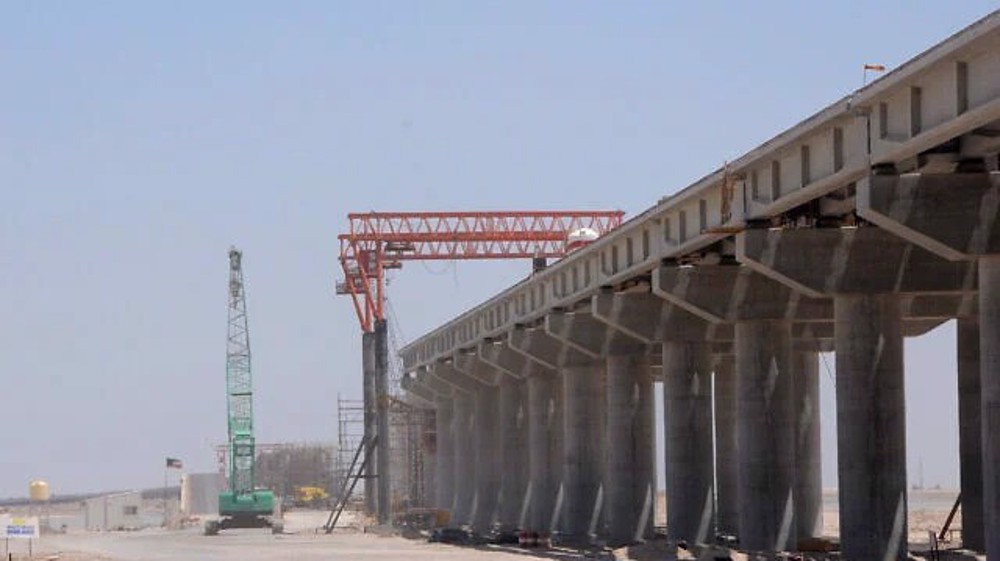
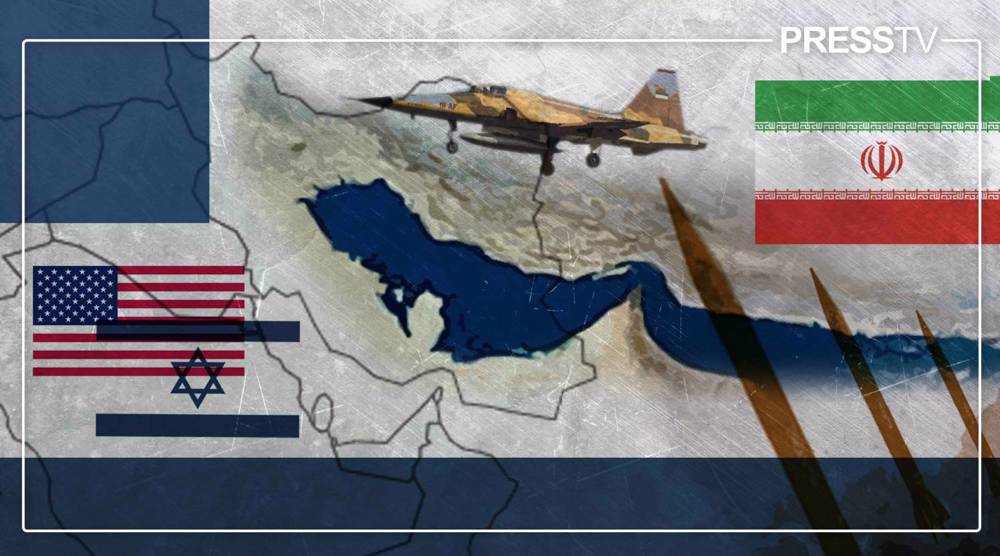
The illegal US-Israeli aggression on Iran began on February 28 with airstrikes that assassinated senior Iranian officials and commanders.
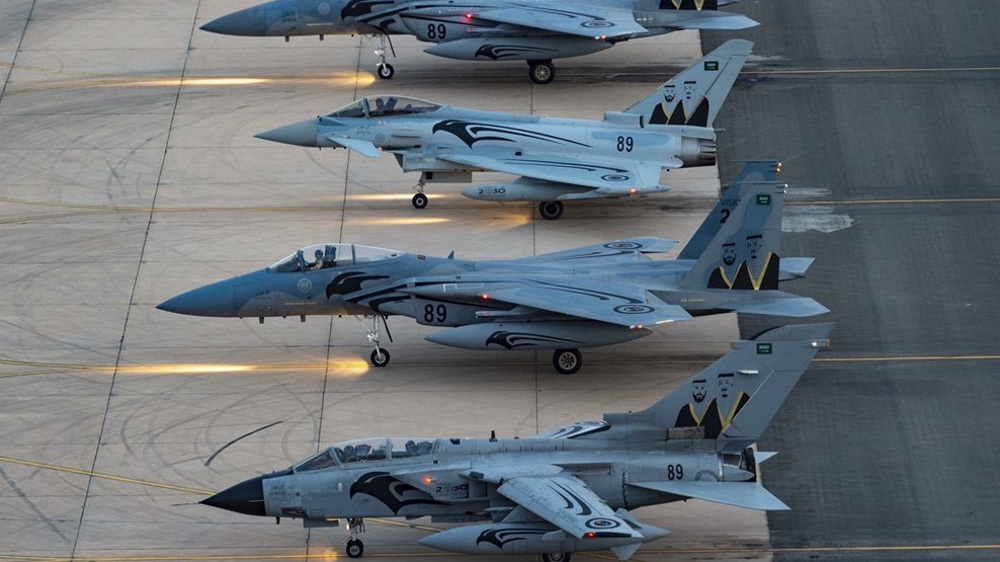
The Persian Gulf littoral states allowed the aggressor regimes to use their soil and airspace to launch anti-Iran attacks.
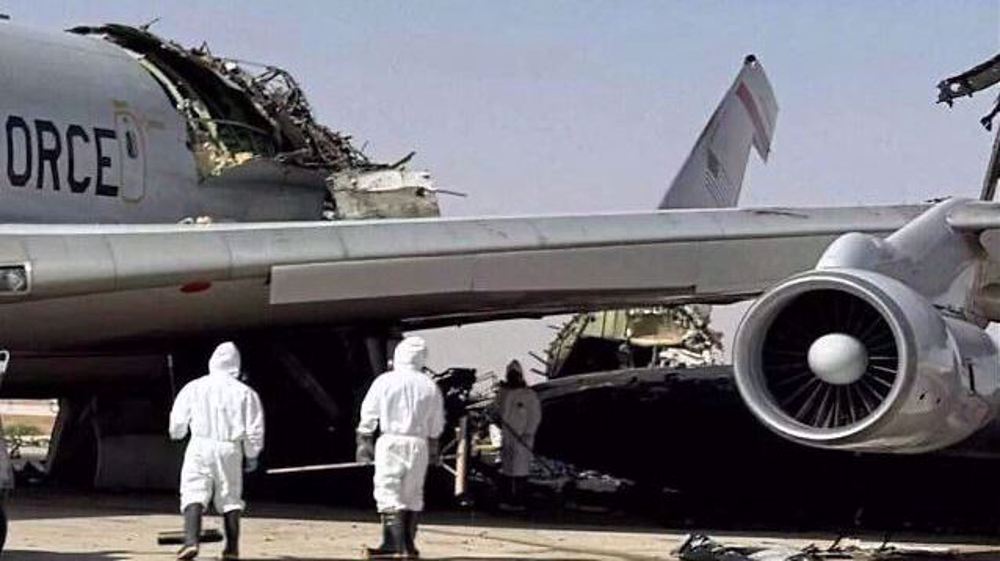
The Iranian armed forces unleashed 100 waves of successful retaliatory strikes against sensitive and strategic American and Israeli targets throughout the region.
On April 8, forty days into the war, an Islamabad-brokered temporary ceasefire went into effect. However, the first round of Tehran-Washington negotiations failed to reach an agreement due to excessive demands by the US.
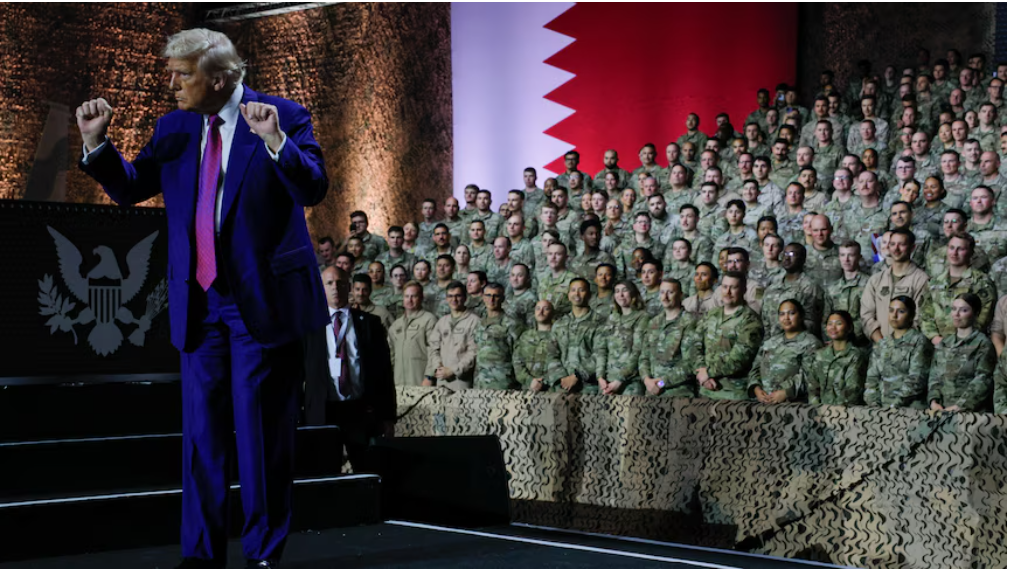
US President Donald Trump unilaterally extended the truce after its expiry, but imposed an inhumane “naval blockade” of Iran.
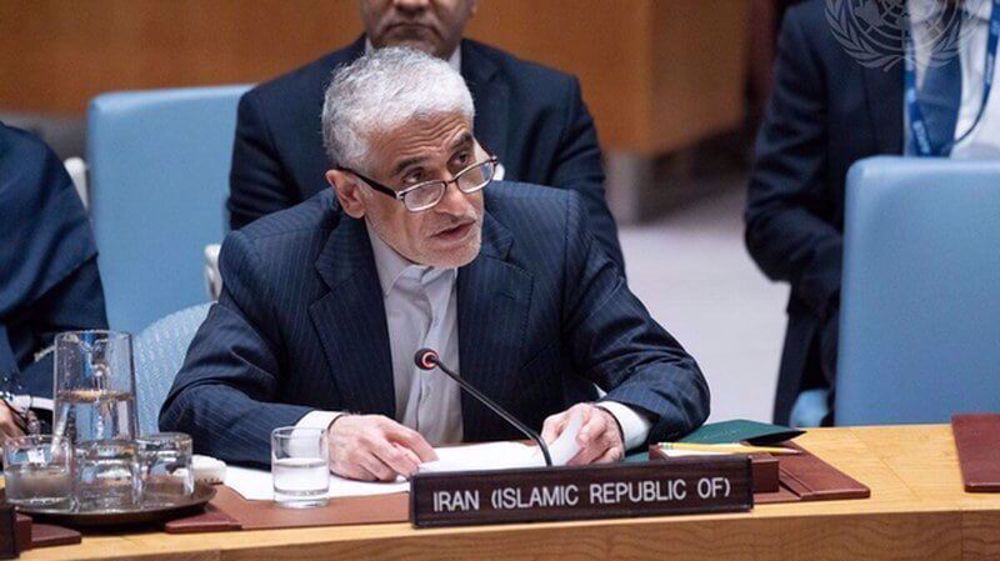
Tehran has refrained from committing to a second round of talks, with authorities citing Washington’s excessive demands and piracy against Iranian ships as two main impediments to concluding the war.
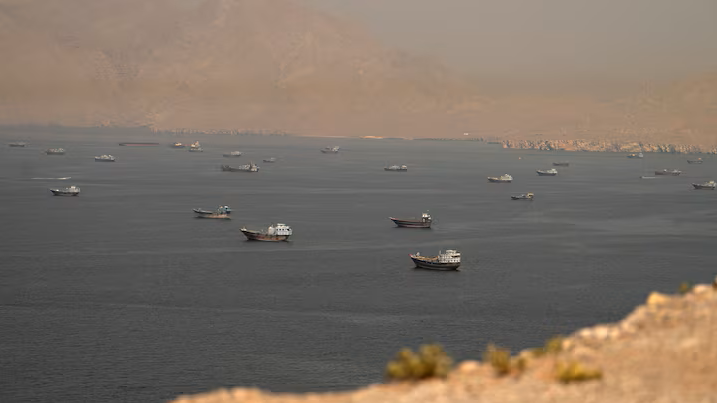
Management of Strait of Hormuz solely Iran’s responsibility: Senior MP
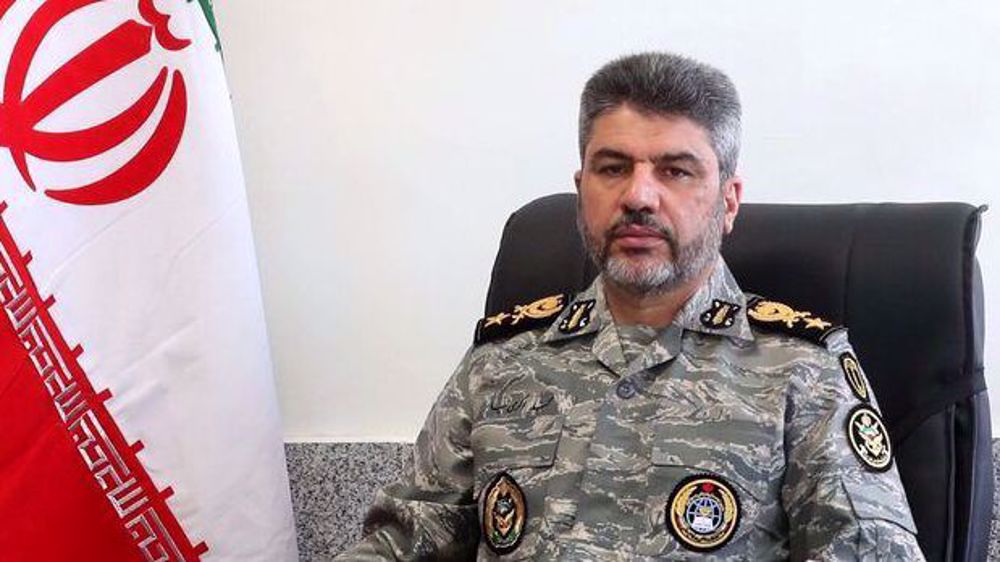
Martyred Leader's funeral to serve as global movement against terrorism, US-Zionist crimes: Army
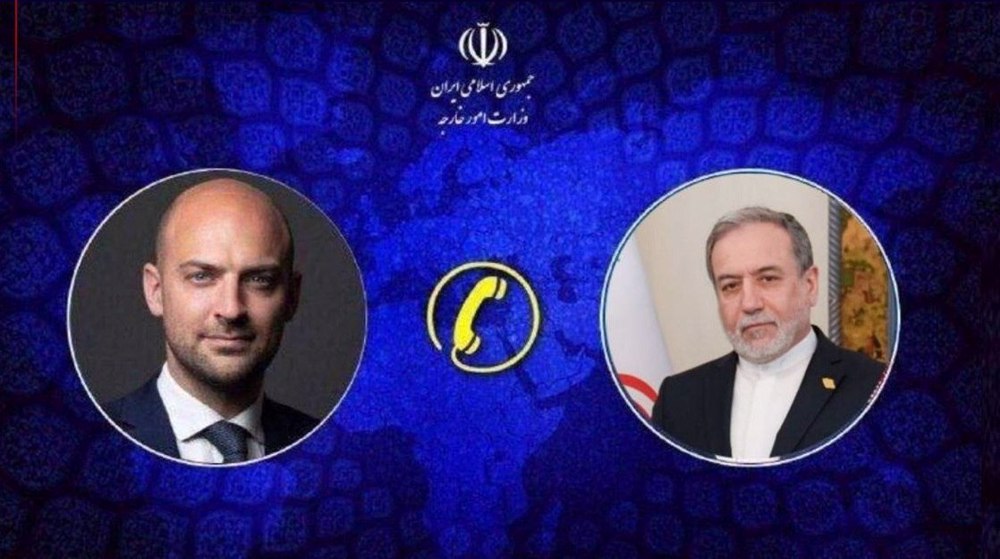
Iran, France FMs discuss Islamabad MoU implementation


Over 90 countries declare readiness to attend funeral of martyred Leader
Mission unaccomplished – Part VII: US sought Iran's collapse but settled for reopening Hormuz Strait
Iran becomes world's 3rd producer of rapid gas detection kits, says knowledge-based firm
Iran monitors US compliance moment-by-moment, won’t implement MoU unilaterally: FM spox
Hezbollah MP blasts ‘sell-out’ government, says Lebanon central to any Iran-US deal
Israeli army demolishes buildings across Gaza as ceasefire violations continue
VIDEO | Press TV's news headlines
VIDEO | Thousands displaced by earthquake in Venezuela receive temporary shelters


 PressTV NEWSLETTER
now
PressTV NEWSLETTER
now
 This makes it easy to access the Press TV website
