Return to the South: By foot, by motorcycle, by hand
After more than forty days of war, a US-brokered ten-day ceasefire is announced, and southern Lebanon's displaced immediately flood the highways, ignoring orders to wait, determined to return home by midnight.
At the Saida southern highway, massive celebrations erupt with flags of the resistance and Lebanon, as families stuck in gridlock throw rice and chant victory, declaring they have won from 1982 until now.
A man whose town sits on the front lines admits heavy losses in lives and homes but says he will return before everyone else to open roads, restore electricity and water — "just a bit of resistance, life, you know."
A journalist covering the war barefoot and without armor for the first time announces she cannot deliver one more report without her own car to take her home.
At the destroyed Qasmiyeh Bridge, the only crossing to Tyre, citizens find the Lebanese army has closed it due to threats, so they begin moving massive rocks with their bare hands to clear a path for motorcycles and pedestrians.
One man whose home is completely gone vows to sleep on the destruction or set up a tent — "it's fine."
A woman from Tyre says she has been trying to pass for two days, accusing the government of humiliation: "The least they could do is open the roads."
Young men push rubble aside as the reporter calls it "the sons of the south who fear neither shelling nor anything else."
A displaced man declares, "Without the resistance, we would not have returned to our land," while another sends greetings from the eldest fighter to the youngest: "We are their sacrifice."
The episode closes with the reporter stating that every hardship — the traffic, the celebrations, the makeshift crossings — was caused by one enemy: Israel.
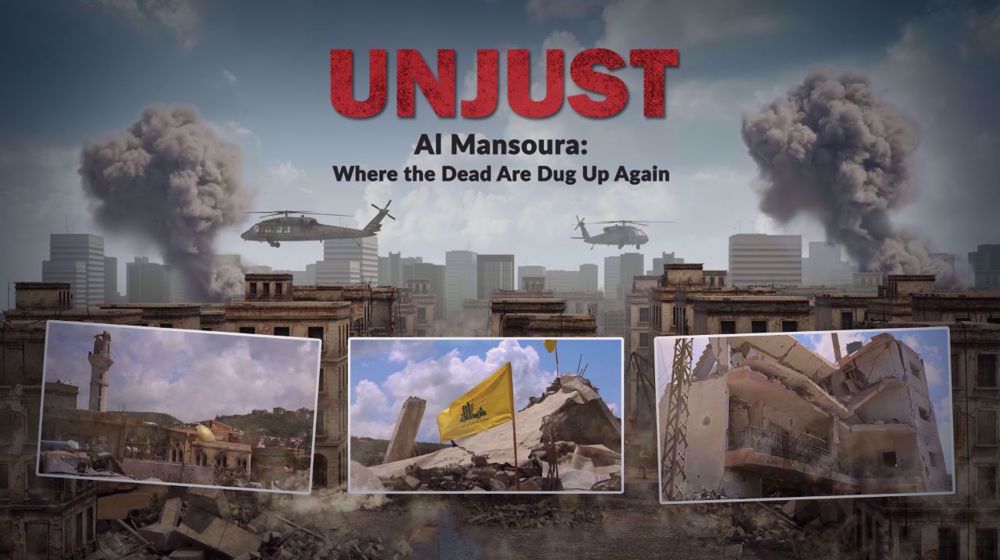
Al Mansoura: Where the dead are dug up again
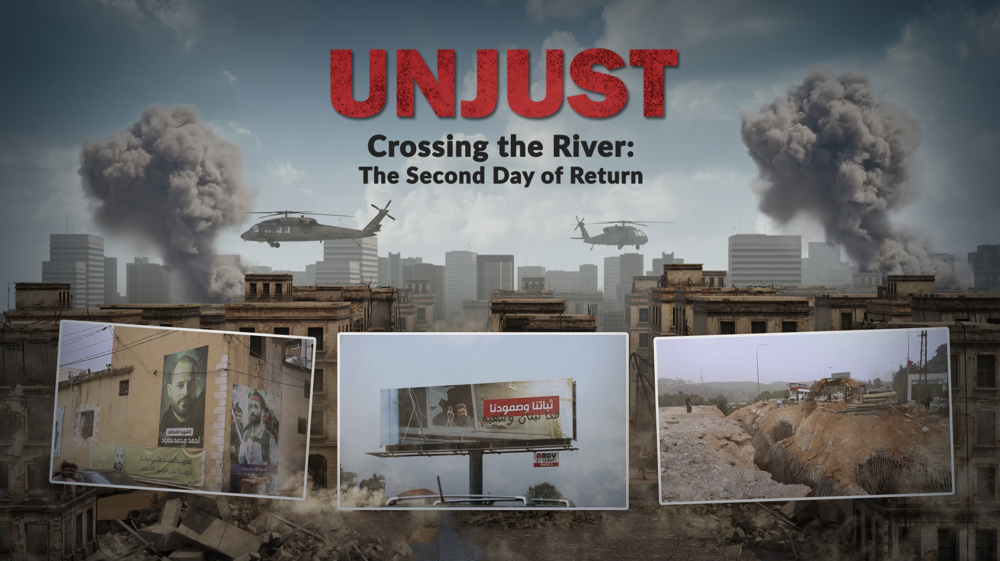
Crossing the river: The second day of return
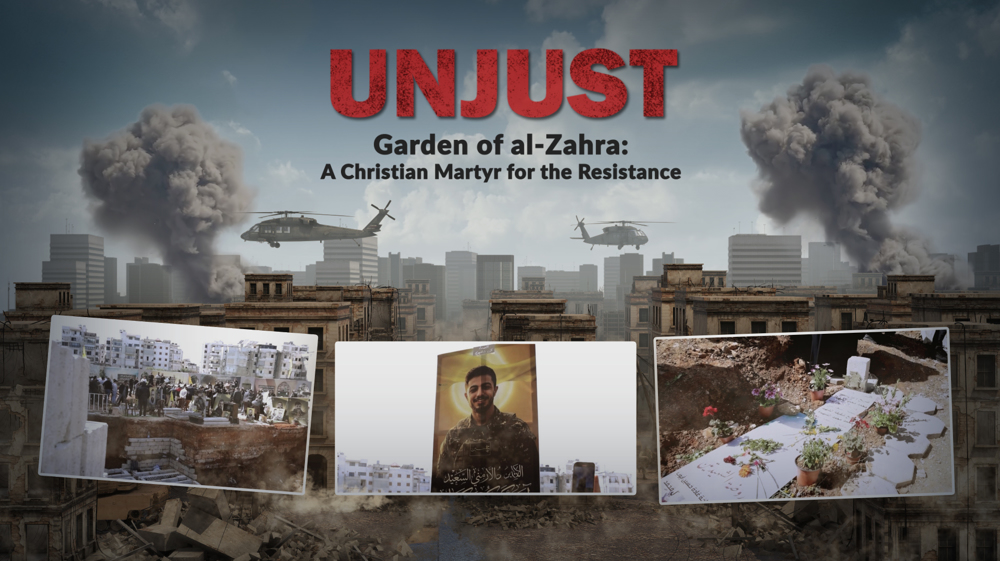
Garden of al-Zahra: A Christian martyr for the resistance



VIDEO | Press TV's news headlines
PM Burnham approves continued US use of UK bases for aggression against Iran
VIDEO | ‘The American public does not support this war in any way’: Analyst
Iran military: Any US attack on nuclear sites equals ‘expansion of war,’ entails extensive reprisal
Ops. Nasr-2 and Sa'eqeh: Iran's retaliatory operations against US military assets on July 21
VIDEO | ‘Any US forces targeting Iranian coastline would come under counterattack’: Commentator
IRGC disables multiple US radar systems in Kuwait in ongoing retaliatory strikes
VIDEO | 'This time, it's going to be a lot worse': Political commentator


 PressTV NEWSLETTER
now
PressTV NEWSLETTER
now
 This makes it easy to access the Press TV website
