China blames US for diplomatic impasse with Iran, urges it to show ‘sincerity’ in talks
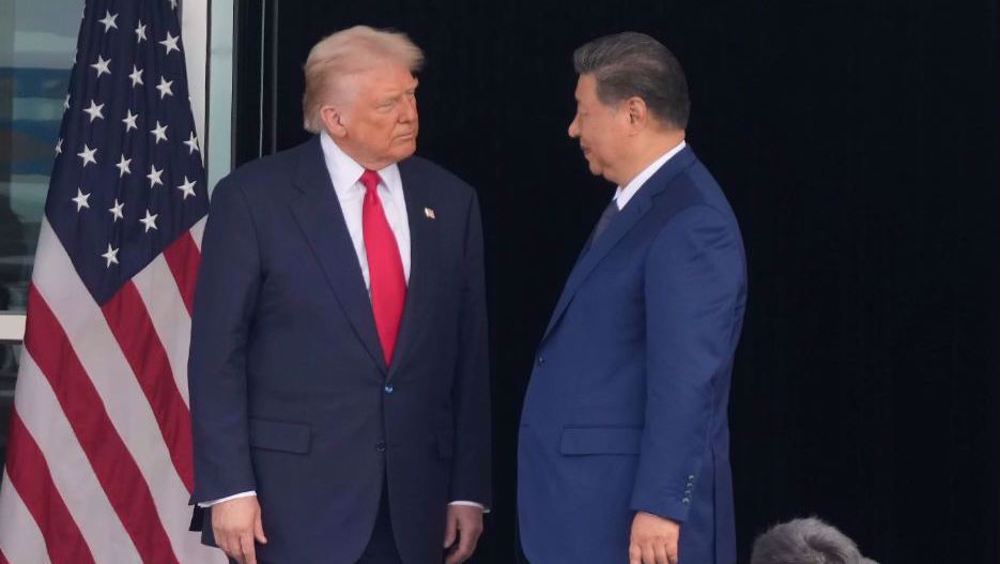
China has called on the United States to demonstrate “sincerity” in resolving its prolonged standoff with Iran over its nuclear program, while censuring the joint US-Israeli military aggression against the country.
In its latest Non-Proliferation Treaty (NPT) report, Beijing said that Washington is responsible for the current diplomatic impasse with Tehran.
The national report on the implementation of the Treaty on the Non-Proliferation of Nuclear Weapons was made public online by the Ministry of Foreign Affairs on Monday.
According to the report, the US and Israel’s military aggression against Iran, both in June 2025 and on February 28, “seriously violated international law and the purposes of the UN Charter.”
China voices concern over US attack on Iranian merchant vesselhttps://t.co/7Lq5yZ4ZOK
— Press TV 🔻 (@PressTV) April 20, 2026
In the report, Beijing described Washington’s unilateral withdrawal from the Joint Comprehensive Plan of Action (JCPOA) as the “root cause” of the current diplomatic standoff between the US and Iran.
During his first term in 2018, US President Donald Trump withdrew from the nuclear deal, branding it “the worst deal ever.” Trump claimed that he was seeking stronger terms.
The US and Israel attacked Iranian nuclear and military sites in June 2025, even as indirect negotiations were underway between Tehran and Washington regarding Iran’s peaceful nuclear program.
Seven months later, the two enemies launched a new wave of aggression against the country on February 28, again as Iran and the US were on the verge of finalizing a new nuclear agreement.
Tehran asserts its legal right under the NPT to develop nuclear technology for energy production, medical research, and scientific advancement.
Iran weighing withdrawal from NPT after US-Israel attacks on nuclear siteshttps://t.co/N3KtdaIQhV
— Press TV 🔻 (@PressTV) March 28, 2026
The US and its allies, however, accuse Iran of seeking the technical capability to produce a nuclear weapon.
Tehran has consistently maintained that it regards weapons of mass destruction as a threat to humanity and has never included them in its defense doctrine, even in the face of direct military aggression.
On April 11–12, Pakistan hosted talks between the US and Iran after brokering a two-week ceasefire on April 8, which is set to expire on April 22.
The high-level talks, however, ended without an agreement. Now reports say a US delegation is headed to Islamabad for the second round of talks with Tehran. Iran has said it has not plans to take part in new negotiations.
Iranian Parliament Speaker and lead negotiator Mohammad Baqer Qalibaf said on Monday that Tehran will not accept negotiations “under the shadow of threats.”
He said, “by imposing a blockade and violating the ceasefire,” Trump intends “to turn the negotiating table into a table of surrender or to justify renewed warmongering.”
The uncertainty shrouding the next round of talks escalated after the US Navy targeted an Iranian merchant vessel in the Sea of Oman on Sunday.
Iran’s military condemned the incident as a “criminal operation” and “maritime piracy.”
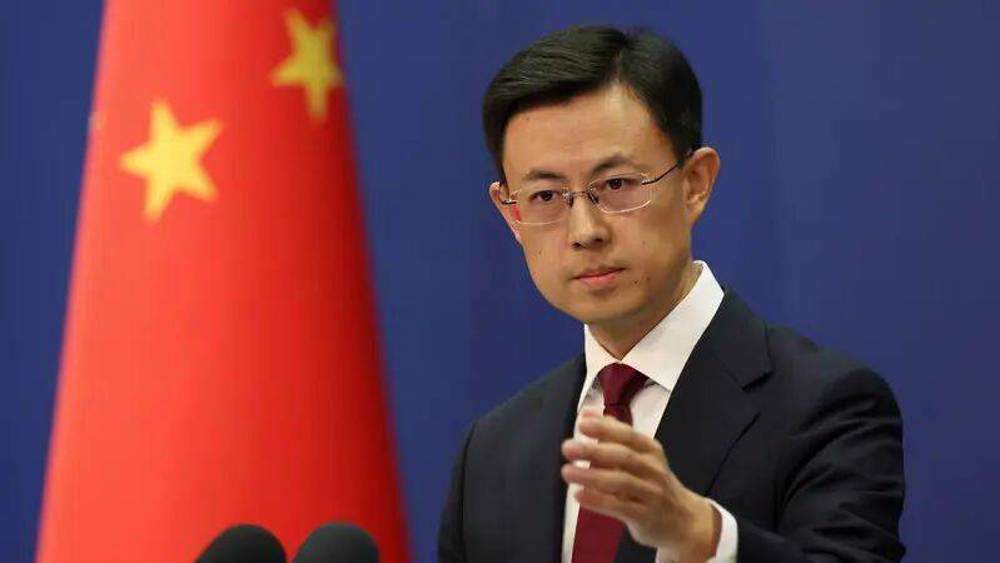
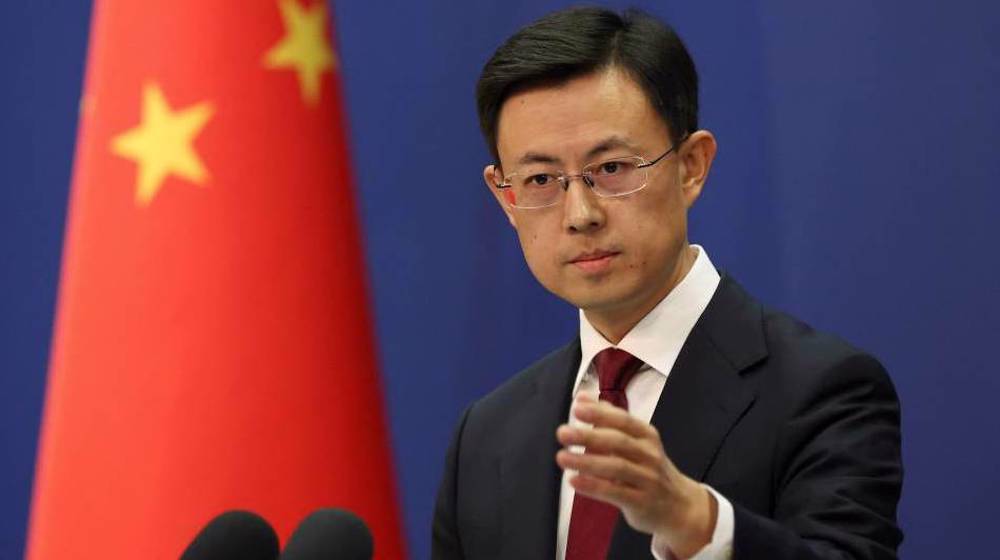
In a Monday statement, Chinese Foreign Ministry voiced “concern over the forced interception of relevant vessel by the US,” warning that the situation in the Strait of Hormuz is sensitive and complex.
The Iranian-flagged cargo ship Touska had been travelling from China.
Majority of Americans demand swift end to US war on Iran: Poll
House approves measure to limit Trump's Iran war powers
Trump says he berated ‘crazy’ Netanyahu in heated phone call over Lebanon



US denies visas to Iranian football staff despite hosting duties
Putin says he saw ‘no provocation’ from Iran before US-Israeli war
Kuwait jails TV presenter for supporting Iran amid US-Israeli onslaught
VIDEO | Ceremony honors Minab school children martyred in US-Israeli strike
VIDEO | IAEA Board of Governors discusses attack on nuclear facilities
VIDEO | Israeli military and settlers escalate attacks across occupied Palestinian territories
VIDEO | Iran embassy in Beijing commemorates Imam Khomeini
VIDEO | Pakistan rejects claim of sharing info on Iran nuclear program in meeting with US



 PressTV NEWSLETTER
now
PressTV NEWSLETTER
now
 This makes it easy to access the Press TV website
