Iran will enter talks with US only if framework agreed: Deputy FM
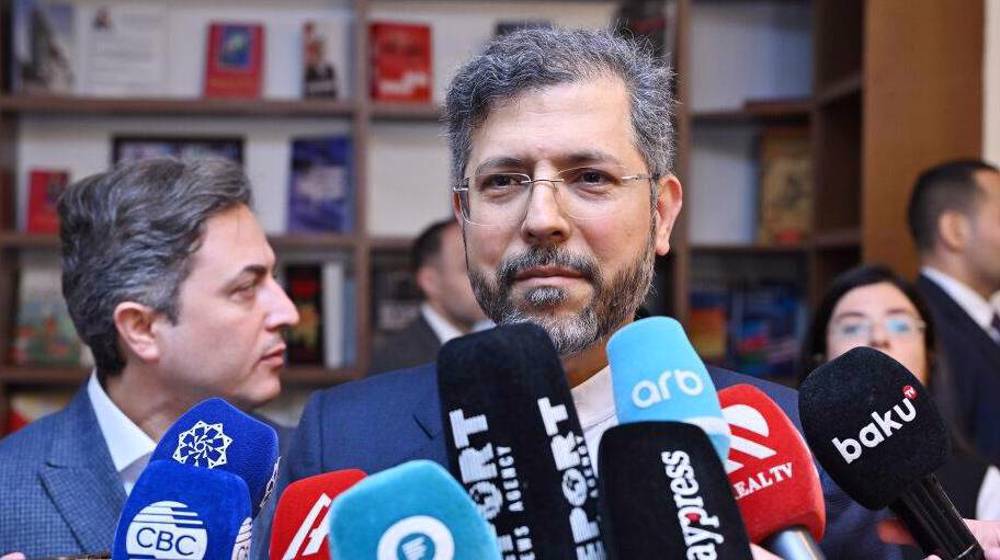
Iranian Deputy Foreign Minister Saeed Khatibzadeh says the Islamic Republic will enter the next round of negotiations with the United States only if a framework of understanding is agreed upon by both sides.
Speaking to reporters on the sidelines of a diplomacy forum in the southern Turkish province of Antalya on Saturday, Khatibzadeh dismissed US “contradictory and vague” claims about the timing of the next round of talks with Iran and said no exact date has been set yet.
"We are now focusing on finalizing the framework of understanding between two sides. Progress has been made but differences still remain," he added.
“Until we agree on the framework, we cannot set the date. There was significant progress made actually but the maximalist approach by the other side, trying to make Iran an exception from international law, prevented us to reach an agreement.”
He reiterated Iran’s firm commitment to diplomacy even under the ongoing sensitive situation and urged the US to abandon its “maximalist approach” and respect international regulations in order to ensure "result-oriented diplomacy."
Iran adheres to its commitments as per the International Atomic Energy Agency (IAEA) and the Non-Proliferation Treaty (NPT) but will never accept agreements which are not within the framework of international law, the diplomat emphasized.
“I have to be very crystal clear that Iran would not accept to be an exception from the international law. Anything that we are going to be committed will be within the international regulations and international law. We have responsibilities and rights,” Khatibzadeh stressed.
On February 28, following the assassination of the late Leader of the Islamic Revolution Ayatollah Seyyed Ali Khamenei and several high-ranking military commanders, the United States and Israel initiated a large-scale and unprovoked offensive against Iran.
In response, the Iranian Armed Forces executed a series of counterattacks over 40 days, targeting US and Israeli military assets, which resulted in significant damage.
Iran to control Strait of Hormuz traffic until deal is reached to end war: Top security bodyhttps://t.co/QwNPkeZfrX pic.twitter.com/dW7mlyQLNG
— Press TV 🔻 (@PressTV) April 18, 2026
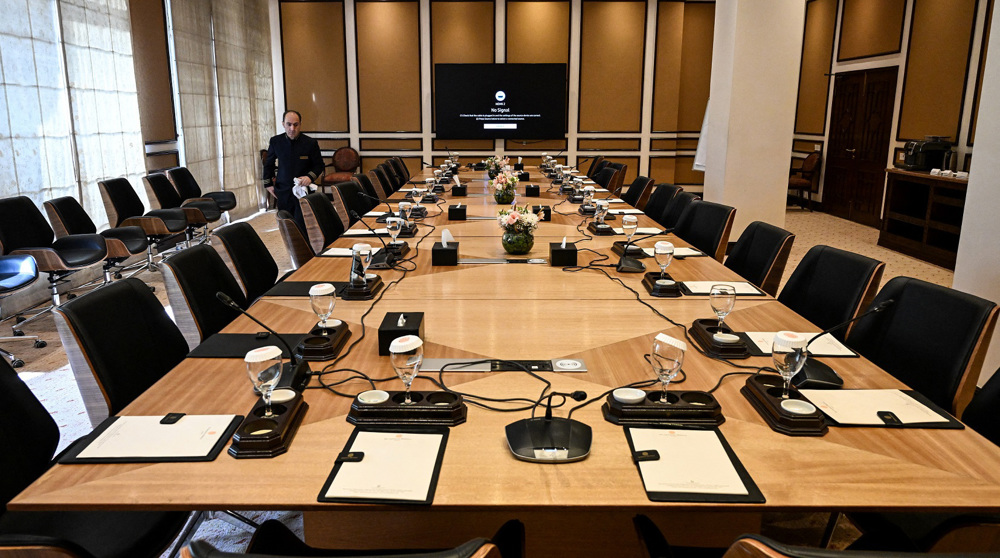
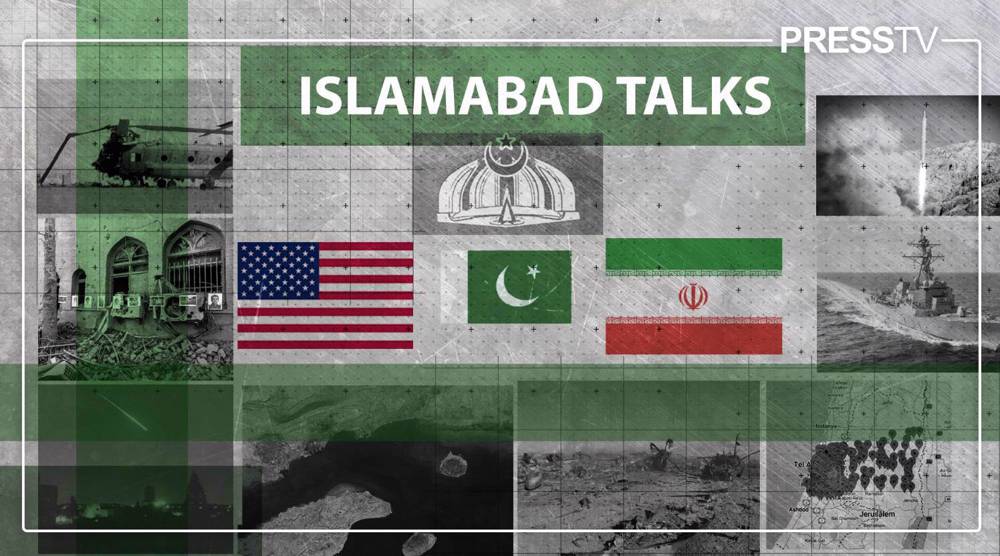
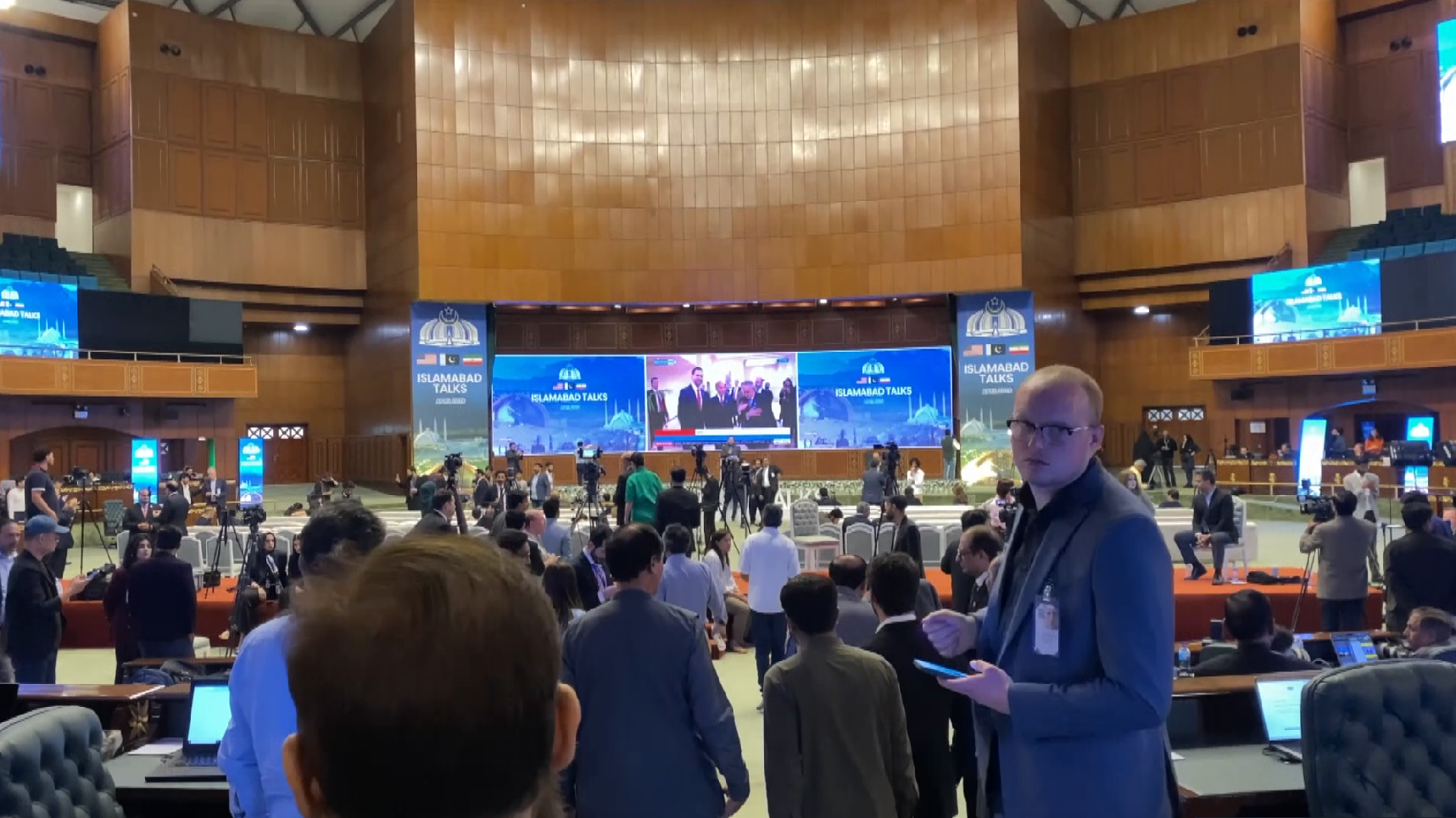
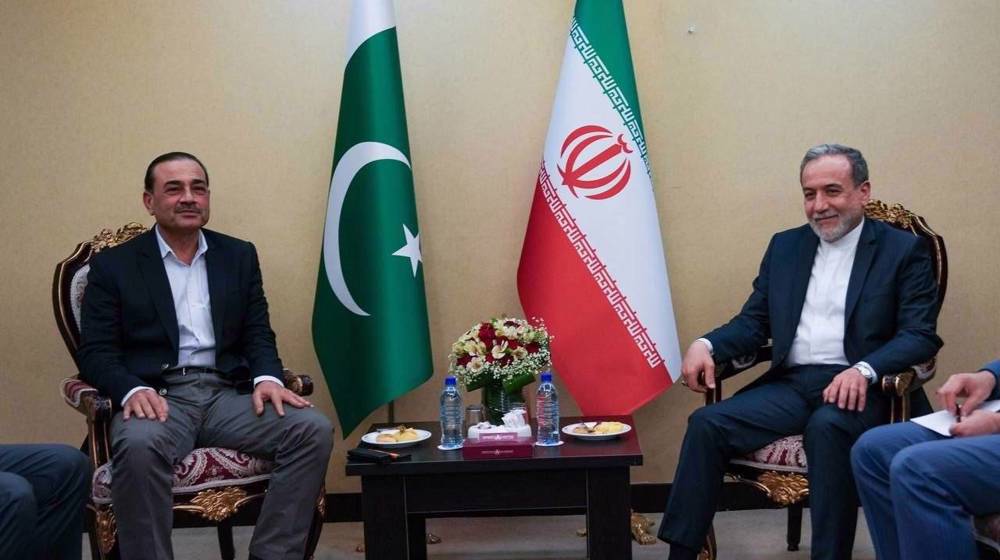
A two-week ceasefire was brokered on April 8, allowing for negotiations in the Pakistani capital of Islamabad, where Iran proposed a 10-point plan seeking US troops’ withdrawal and the lifting of sanctions.
Despite 21 hours of intensive talks, the Iranian delegation returned to Tehran without an agreement, citing a lack of trust in US commitments.
Amidst these tensions, US President Donald Trump announced a naval blockade of the Strait of Hormuz aimed at intercepting vessels that had paid tolls to Iran. The US military confirmed that the blockade took effect at 1400 GMT on Monday, escalating the situation further.
Elsewhere in his remarks, Khatibzadeh pointed to tensions pertaining to the Strait of Hormuz and said Iran seeks to maintain stability and the safe passage of commercial vessels through the strategic waterway in line with the terms of the truce “but will show reaction in the face of pressure.”
It is the US that attempts to undermine regional security, he added, noting, “We would like this strait to be open and safe for passage.”
The deputy foreign minister emphasized that Tehran would “heroically and patriotically” defend itself in case of any escalation of tensions, warning, “The alternatives to diplomacy are highly undesirable.”
He urged the US to stop its acts of aggression in the Strait of Hormuz, saying the continuation of aggression would have repercussions for maritime security.
On Friday, Foreign Minister Abbas Araghchi announced the reopening of the strait following the implementation of a ceasefire in Lebanon.
However, spokesperson for the Khatam al-Anbiya Central Headquarters, Lieutenant-Colonel Ebrahim Zolfaghari, said on Saturday that Iran has reasserted control over the Strait of Hormuz due to the United States' so-called naval blockade of the waterway and its acts of “piracy.”
He added that Iran, in line with previous agreements and with good faith during negotiations, had agreed to a managed passage of a limited number of oil tankers and commercial ships through the Strait of Hormuz.
However, the spokesperson added that the Americans, with their track record of repeated breaches of faith, continue to engage in banditry and piracy under the guise of a so-called blockade.
"For this reason, control of the Strait of Hormuz has returned to its previous state, and this strategic strait is under the intense management and control of the armed forces," the spokesperson stated.
Iran does not seek war, but prepared to continue defending itself if necessary: FM Araghchi
Era of threatening Iran without costs has ended: Qalibaf
Iranian strikes on US bases in Persian Gulf ‘legitimate self-defense’: Araghchi



Iran clinches two golds, one silver on 1st day of Ulaanbaatar Open Ranking Series
VIDEO | Huge crowd gather in Najaf to mark Eid al-Ghadir
Ayatollah Fayyaz dies at 96 in Najaf; Iranian president offers condolences
VIDEO | US sanctions against Cuba set to come into effect on June 5 as Trump threatens to invade Havana
VIDEO | Al Mansoura: Where the dead are dug up again
Imam Khomeini: The architect of Islamic awakening and global anti-imperialist resistance
Germany loses bid for UNSC seat in 'bitter defeat' over Israel support
Disarmament a 'red line': Nujaba says weapons needed to defend Iraqi sovereignty


 PressTV NEWSLETTER
now
PressTV NEWSLETTER
now
 This makes it easy to access the Press TV website
