Israel rations advanced interceptors amid relentless Iranian missile barrages: Report
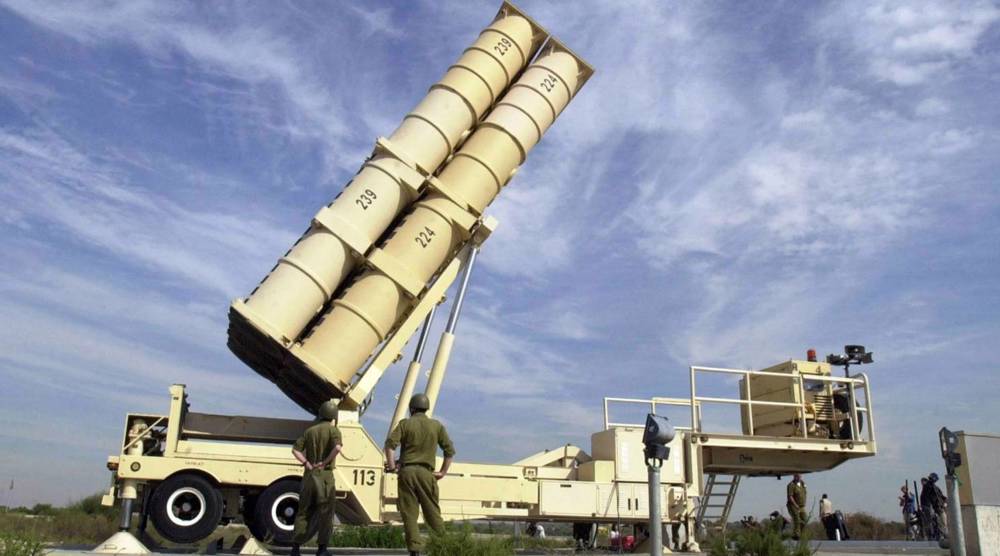
Israel has been forced to ration its most advanced interceptors to prevent a total collapse of its defense stockpiles as Iran’s relentless missile barrages continue as the war enters its fifth week, says a report.
The Wall Street Journal (WSJ) said on Saturday that Israel has begun rationing its most advanced missile interceptor, one month into the US-Israeli joint military aggression against the Islamic republic.
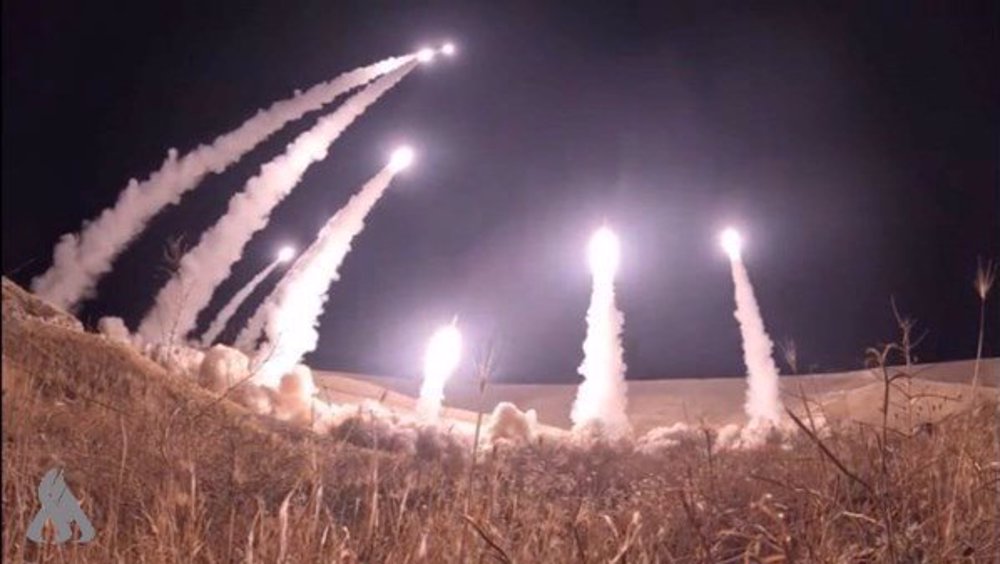
Iranian armed forces have carried out 85 waves retaliatory attacks under Operation True Promise 4, targeting Israeli military and strategic sites as well as US military bases across the region with missiles and drones, inflicting heavy losses on the enemy.
According to the report, Iran’s “sustained barrages” has begun to strain Israel’s air defense systems and allow more missiles to slip through.
“The impact is already visible on the ground,” said the Journal.
It said that Israeli authorities are now facing increasingly complex decisions with every incoming projectile, whether to intercept it, allow it to land in unpopulated areas, and which system to deploy.
Last week, Iranian ballistic missiles successfully hit targets in the southern cities of Dimona and Arad, leaving buildings shattered and at least 200 people injured.
Israel’s military admitted that its air defense systems failed to intercept Iran’s missiles. Israeli Prime Minister Benjamin Netanyahu also described it as a “difficult” evening.
Now, Tal Inbar, a senior analyst at the Missile Defense Advocacy Alliance, has told the WSJ that the number of interceptors—of every type—"is finite."
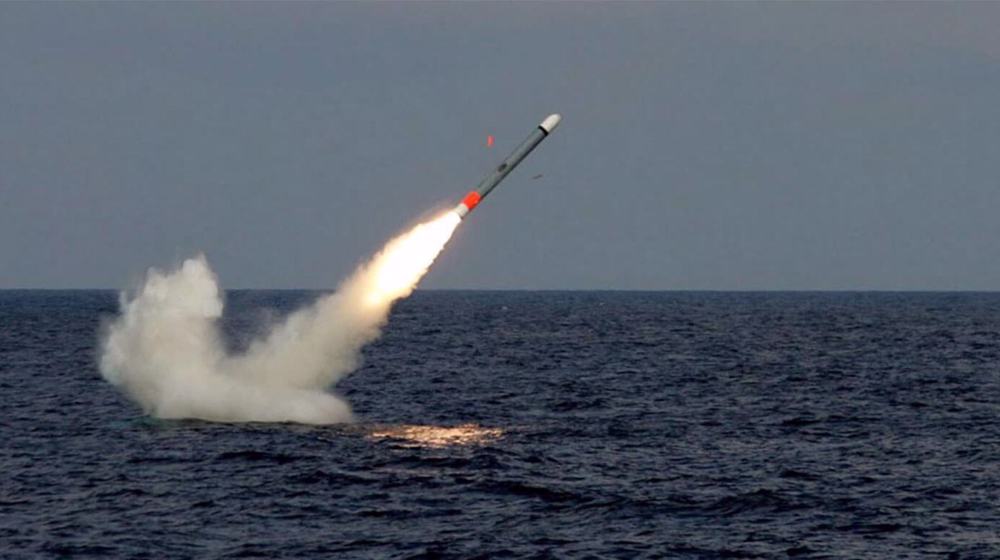
“As the fighting goes on, it goes down. And as it goes down, you have to make more careful calculations about what to use."
Since February 28, Iran’s armed forces have launched more than 400 missiles along with hundreds of drones at the occupied territories, the report said.
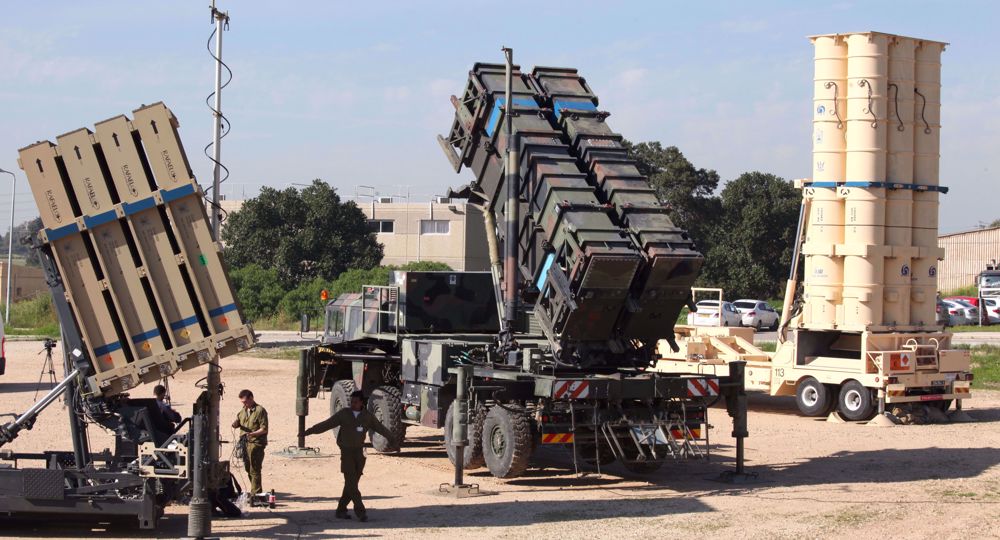
The Rafael Weapons Industries, a key military technology developer responsible for advanced systems such as the Iron Dome and David’s Sling, has been among the most sensitive Israeli sites targeted by powerful Iranian missiles.
According to the Journal, the strain on interceptor supplies is not limited to Israel as Iran’s missile and drone attacks have significantly stressed regional defense postures as well.
It said that Arab Persian Gulf countries, including the United Arab Emirates (UAE), Qatar, and Bahrain are also seeking additional air defense support amid Iran’s relentless retaliatory attacks on US military bases on their soil.
Meanwhile, interceptor systems themselves are in short supply globally, the WSJ said. Missiles used in American missile defense systems such as THAAD are difficult to produce and take time to replenish, creating a widening gap between demand and supply, it said.
Tom Karako, director of the Missile Defense Project at the Washington-based Center for Strategic and International Studies (CSIS), stated that if the US completely maximizes “production with the forthcoming ramp, which we need to, it will still be many years before we replace what was just used."
The unprovoked war, launched by the US and Israel on Iran as negotiations with Tehran were ongoing, has exacted a high cost, roiling energy and stock markets worldwide, disrupting shipping and resulting in casualties across West Asia.

Two IRGC servicemen martyred in terror attack in western Iran
Mission unaccomplished – Part VI: US sought Iran’s surrender but got a new regional superpower
Contrary to enemy propaganda, Iran’s defense sector continues to make progress: Top general



Management of Strait of Hormuz solely Iran’s responsibility: Senior MP
Martyred Leader's funeral to serve as global movement against terrorism, US-Zionist crimes: Army
2026 World Cup: Iran prepares to depart Mexico after 24-day stay in Tijuana
At UN Security Council, Palestine envoy urges world to stop Israeli annexation
Two IRGC servicemen martyred in terror attack in western Iran
VIDEO | Pakistan launches fourth cross-border strikes inside Afghanistan
VIDEO | Pro-Palestinian activists in Paris rally to condemn ongoing Israeli genocide
VIDEO | Spain rejects US pressure as Trump intensifies criticism of NATO allies




 PressTV NEWSLETTER
now
PressTV NEWSLETTER
now
 This makes it easy to access the Press TV website
