Israel threatens Litani River occupation as deadly strikes on Lebanon intensify
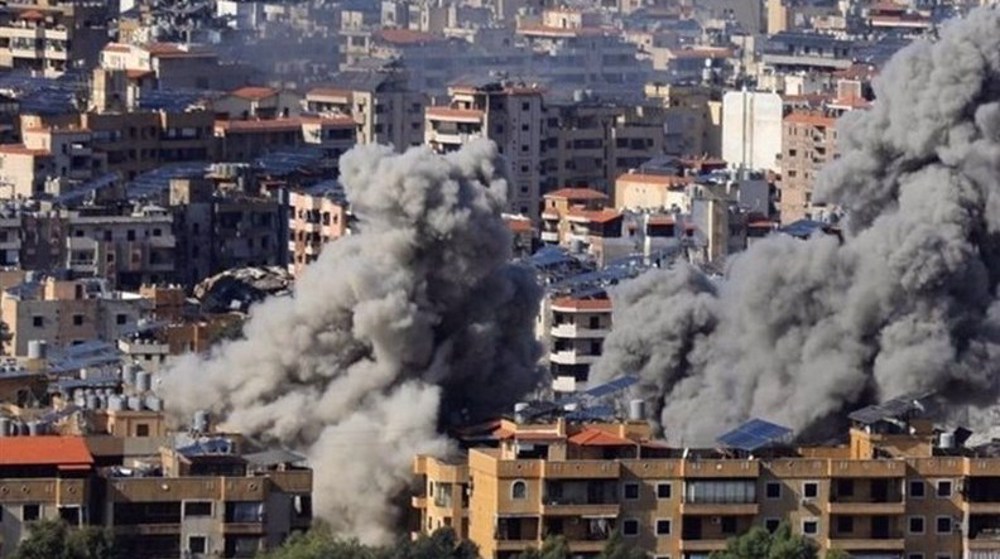
Israel has threatened to occupy southern Lebanon up to the Litani River, approximately 30 kilometers from the Lebanese border, as deadly strikes pounded civilian residential areas in Beirut and elsewhere across the country.
Israel Katz, the minister of military affairs, said on Tuesday that the military "will control... the security zone up to the Litani" under the pretext of establishing a so-called security and buffer zone.
He claimed that displaced Lebanese residents would not be allowed to return south of the river "until security is guaranteed for the residents of the north" of the Israeli-occupied territories.
Katz stated that Israel's military was "following the model of Rafah and Beit Hanoun"—two cities that were effectively razed during more than two years of brutal assault on Gaza and remain under Israeli military occupation.
In recent days, Israeli forces have blown up bridges and destroyed civilian infrastructure in the area south of the Litani.
That area had already seen vast destruction since Israel launched its aggression against Lebanon in 2023, following the brutal war on Gaza, and despite a November 2024 ceasefire.
Many border villages were largely empty of residents even before the Israeli army resumed heavy bombardment and incursions into the area more than three weeks ago, when the latest Israeli aggression erupted.

Meanwhile, Hezbollah has reported regular retaliatory attacks on Israeli military bases and troops, including in the strategic border town of Khiam in recent days and in the village of Qawzah on Tuesday.
Lebanon’s National News Agency (NNA) reported attacks in the country’s south and east, as well as near Beirut, following a night of bombardment on the capital’s southern suburbs.
On Tuesday morning in south Beirut, reporters witnessed vast destruction near the site of an overnight Israeli strike, with rubble piled up and debris covering the street.
The overnight strikes hit infrastructure in Beirut and other areas of Lebanon. In Bshamoun, a town in the Aley region southeast of Beirut, Abbas Qassem, 55, wept as he surveyed the damage to his unoccupied flat near the targeted apartment.
"There's nothing left. It's all burned or destroyed... No walls, the windows are gone, the facade is gone, all my hard work has been lost," he said. "What have I done to have my home destroyed? I'm just a normal person," added Qassem, who works for the state telecoms provider.
Lebanon’s health ministry said three people were killed, including a three-year-old girl, and reported five others killed in Israeli strikes in south Lebanon.
Israel has killed at least 1,039 people and displaced more than one million others during more than three weeks of the latest aggression.
Hezbollah began launching retaliatory attacks on Israel earlier this month after Tel Aviv bombed southern and eastern Lebanon on a daily basis in violation of the November 2024 ceasefire.

Israeli minister Ben-Gvir: ‘All of Lebanon should be our playground,’ no ceasefire

Hamas denounces Israel's policy of 'systematic killing' in West Bank

Two Palestinian teenagers killed, others abducted in Israeli raids across West Bank



Trump eyes to drag carmakers into weapons production as stockpiles deplete
Iran, Oman agree to form joint committee on future administration of Hormuz Strait
Iran, Pakistan discuss regional security as Pezeshkian begins talks in Islamabad
Iran's military yet to deploy full capabilities: Senior Army commander
Russian veterans honor Iran’s resistance against US-Israeli aggression
Pezeshkian arrives in Pakistan on first foreign trip since Iran’s victory over US-Israeli aggression
Iran’s Qalibaf meets Sultan of Oman after Switzerland talks
Israeli forces kill two Lebanese men in southern Lebanon despite ceasefire





 PressTV NEWSLETTER now
  This makes it easy to access the Press TV website