Attack on Iran’s oil infrastructure marks new phase of war: Parliament speaker
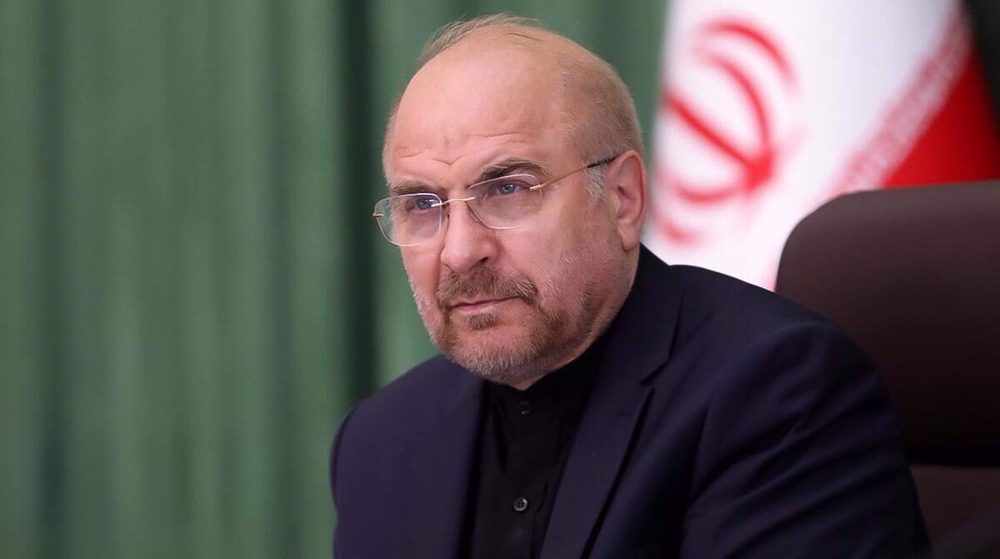
The speaker of Majlis (the Iranian Parliament), Mohammad-Baqer Qalibaf says the massive anti-US rallies across the country overnight completely thwarted the enemy's designs, while warning that attacks on the Iranian oil infrastructure amount to "suicide" for the aggressors as they usher in a new level of confrontation.
"Last night, the people of Iran foiled all of the enemy's designs," Qalibaf stated on social media. "They are angry and despairing in the face of the Iranian people, and by attacking infrastructure, they want to hide their failures in the field. Of course, this means suicide for them."
The speaker emphasized that the principle of an "eye for an eye" remained firmly in effect, adding that "a new level of confrontation has begun."
Qalibaf's remarks come after US-Israeli airstrikes targeted facilities in the South Pars Special Economic Energy Zone in the coastal city of Asaluyeh, home to the massive South Pars gasfield, the world's largest known gas reserve, which supplies approximately 70 percent of Iran's domestic natural gas.
The strikes caused a fire and temporarily suspended operations at the refining complex.
The comments also followed massive shows of force across the streets nationwide, when millions came out in support of the country's Islamic establishment and displayed sustained defiance of enemy threats.
In Tehran, despite warnings of imminent airstrikes, large crowds gathered in the capital's Enqelab Street, chanting anti-US and anti-Israel slogans, while waving Iranian flags and holding up portraits of both the martyred Leader Ayatollah Seyyed Ali Khamenei and his successor and son, Ayatollah Seyyed Mojtaba Khamenei.
In response to the South Pars attack, Iran's most important operational command unit, Khatam Al-Anbiya, issued a statement declaring it would "severely strike the source of the aggression and consider targeting the fuel, energy, and gas infrastructure" of countries from which the attacks were launched.
Iranian Armed Forces have published a list of US-linked energy facilities in Saudi Arabia, Qatar, and the United Arab Emirates, stating they "will be targeted in the coming hours".
According to observers, the escalation targeting energy infrastructure marks a significant widening of the conflict, with potential global economic ramifications. International oil prices surged following the South Pars attack, with Brent crude rising above $109 per barrel.
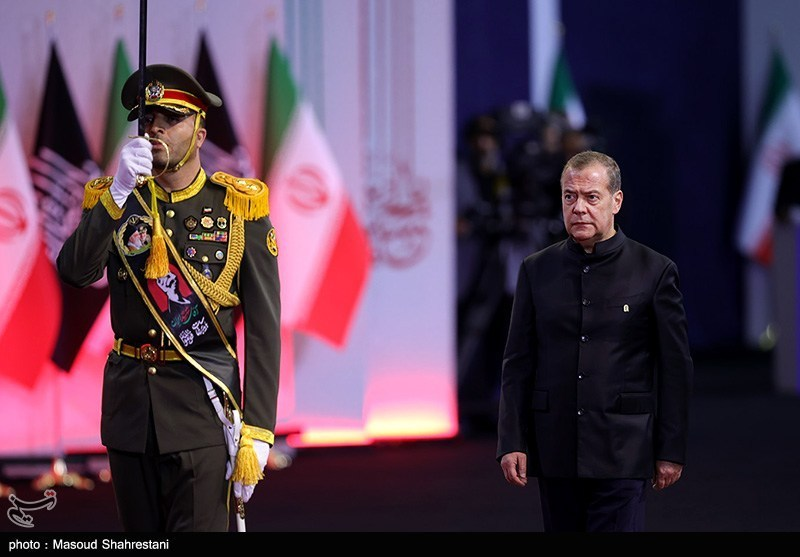
Iran to prevail over US, Medvedev says after attending martyred Leader’s funeral
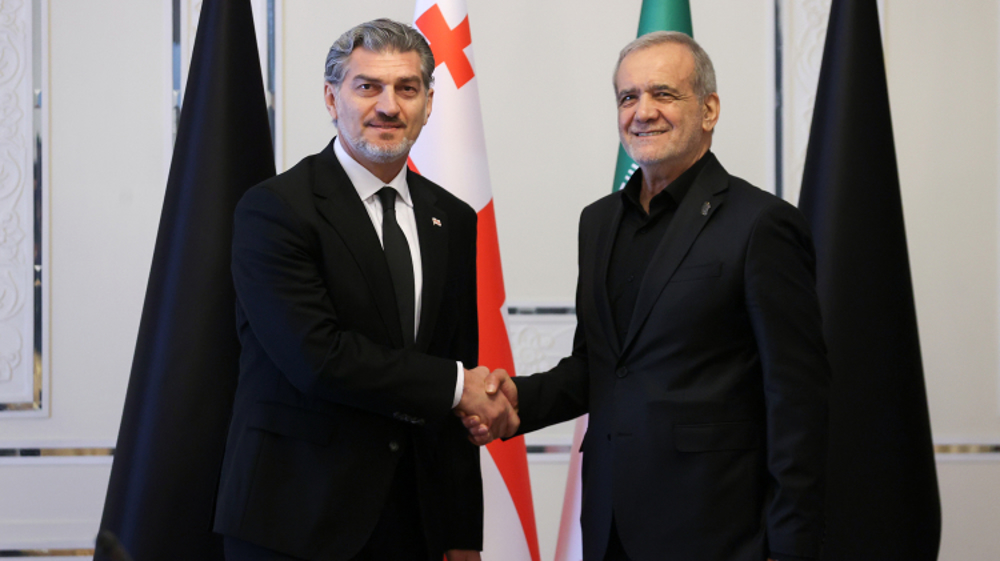
President Pezeshkian: Iran will not bow to any bully
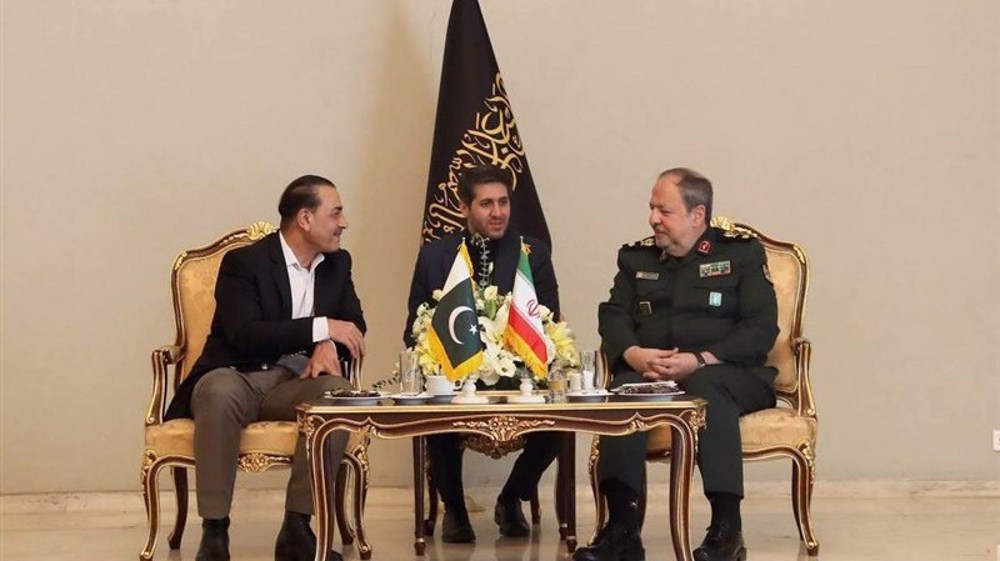
Iran warns of ‘strong’ response to any ceasefire violation, vows closer defense ties with Pakistan



Lebanon deal not about Israeli forces withdrawal: Israeli envoy
Iran’s Intelligence Ministry vows to avenge martyred Leader’s blood
Divine retribution against US, Israel not far off: IRGC Navy chief
Hamas: Operation al-Aqsa Flood altered all political, military equations
D-8, OPEC heads extend condolences to Iran over martyrdom of Leader
Iran warns any military adventurism in Strait of Hormuz will have consequences
UK doctors rally against silencing over Gaza genocide
Qalibaf lauds Pakistan for support during US-Israeli aggression


 PressTV NEWSLETTER
now
PressTV NEWSLETTER
now
 This makes it easy to access the Press TV website
