Israel’s West Bank land seizures signal 'alternative homeland' threat: Ex Jordanian Deputy PM
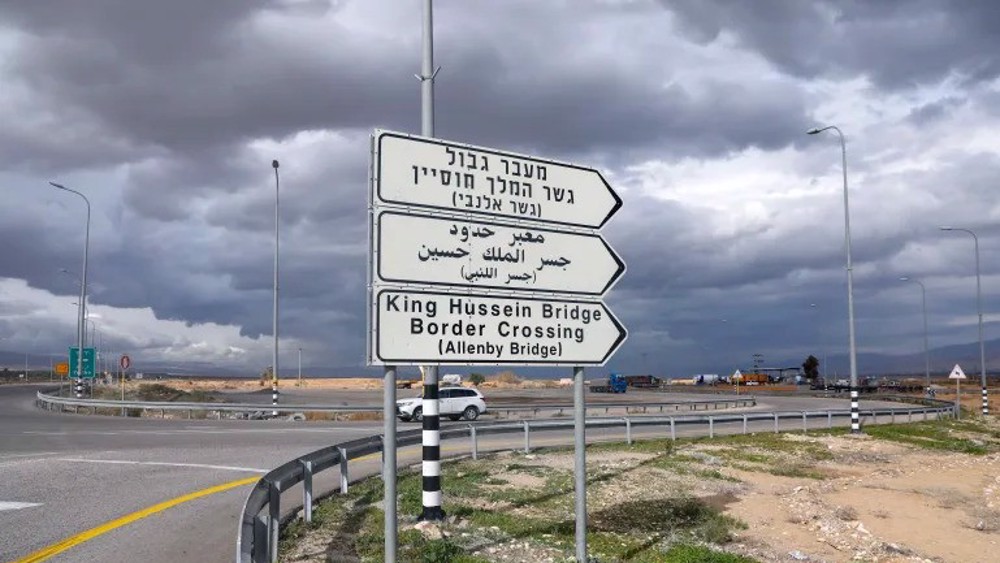
Jordan’s former deputy prime minister has warned that Israel’s recent decision to seize additional Palestinian land in the occupied West Bank could be the final step towards the “alternative homeland” scenario.
“The transfer is no longer a threat; it is moving to execution,” veteran Jordanian politician Mamdouh al-Abbadi said on Tuesday.
“We are seeing the practical application … The alternative homeland is something that is coming; after this West Bank, the enemy will move to the East Bank, to Jordan,” he added.
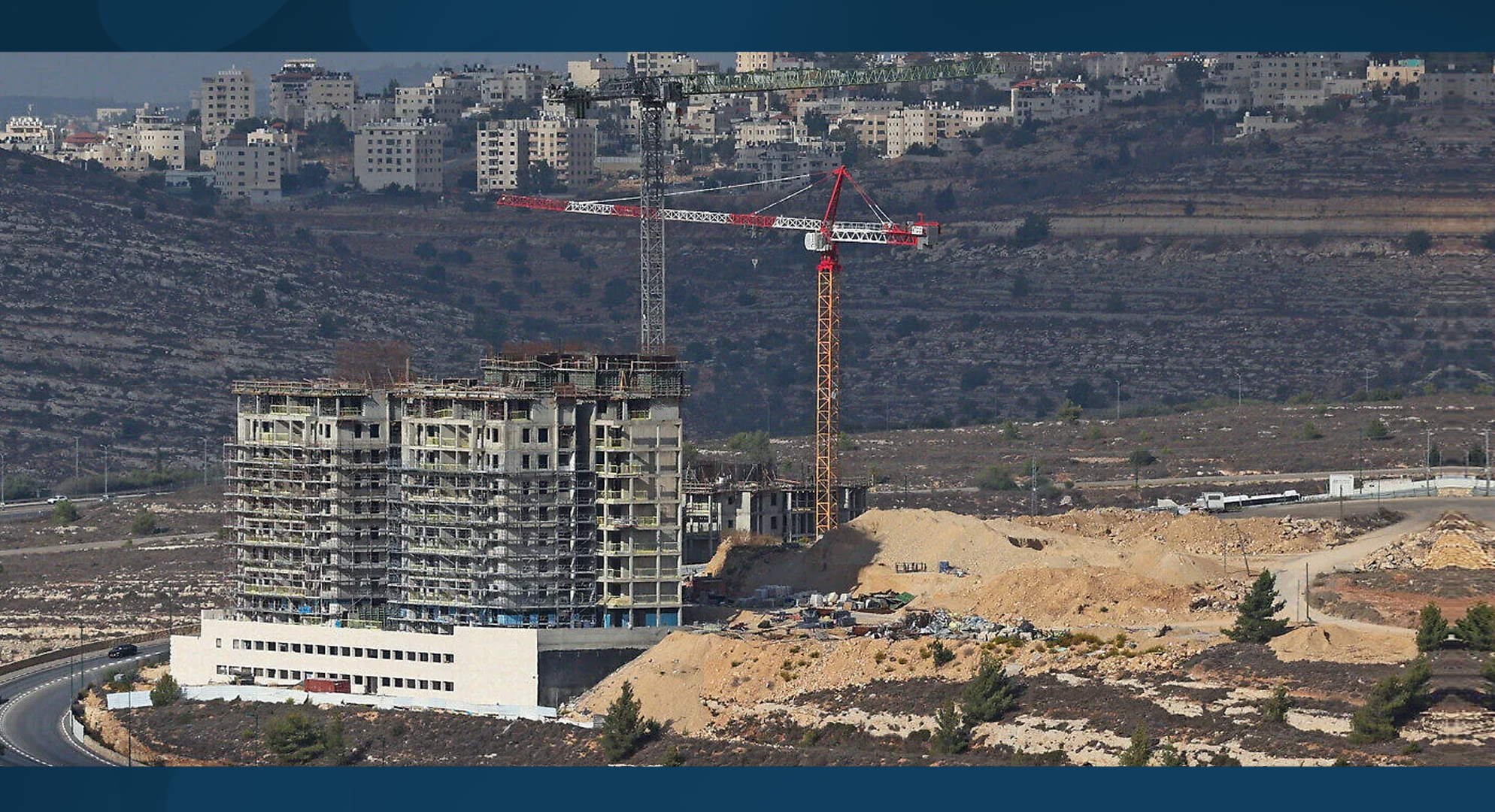
Israel recently approved a series of sweeping measures in the occupied West Bank that Palestinians say violate the Oslo Accords and effectively constitute a de facto annexation of Palestinian territory.
The policy, announced by Israel's extremist finance minister Bezalel Smotrich and minister of military affairs Israel Katz, significantly alters governance in the West Bank, opening the way for expanded settlements, land seizures and the erosion of Palestinian civil rights.
The measures lift longstanding legal restrictions on Israeli settlers, accelerate settlement expansion, and extend Israeli military and “civil” authority into areas that were previously under partial Palestinian control.
Al-Abbadi pointed to "dangerous" shifts in Israeli military nomenclature.
“There is a new brigade in the Israeli army, named the Gilead Brigade,” al-Abbadi noted. “What is Gilead? Gilead is a mountainous region near the capital, Amman. This means the Israelis are proceeding with their strategic practices from the Nile to the Euphrates.”

For decades, the “alternative homeland” – the Israeli notion that Jordan should become the Palestinian state, was dismissed in Amman’s diplomatic circles as a distant nightmare or a conspiracy theory.
But Israel’s new land registry laws and military pressure is viewed in Jordan as a critical step in this process.
Muslim nations have strongly condemned Israel’s move to ease settlement expansion and widen its powers in the West Bank.
Observers have warned that the Israeli regime is seeking to lay the groundwork for gradual occupation of regional Arab and Muslim states and push for its so-called "Greater Israel" project.

Netanyahu uses aid flotilla as excuse to cut short corruption court session

Most Israeli settlers believe regime’s military ‘failed on all fronts’: Poll

Israeli strikes on Gaza kill five civilians, including 9-year-old boy



Iran dismisses GCC's anti-Iran allegations as 'groundless'
US ‘falsely portrayed’ Iran’s enriched uranium as danger to invade country: Envoy
Pentagon’s $25 billion claim masks true cost of war on Iran as US losses mount: US media
'No oil well exploded': Qalibaf warns US ‘junk advice’ pushing oil to $140
Israeli forces intercept Gaza-bound flotilla in Mediterranean, organizers say
New round of war to be catastrophic for US: Leader's advisor
April 29: Iran defies US blockade as national unity surges while crisis deepens in Washington
Iran to soon unveil a weapon the enemy is 'deeply afraid of': Navy commander






 PressTV NEWSLETTER
now
PressTV NEWSLETTER
now

 This makes it easy to access the Press TV website
